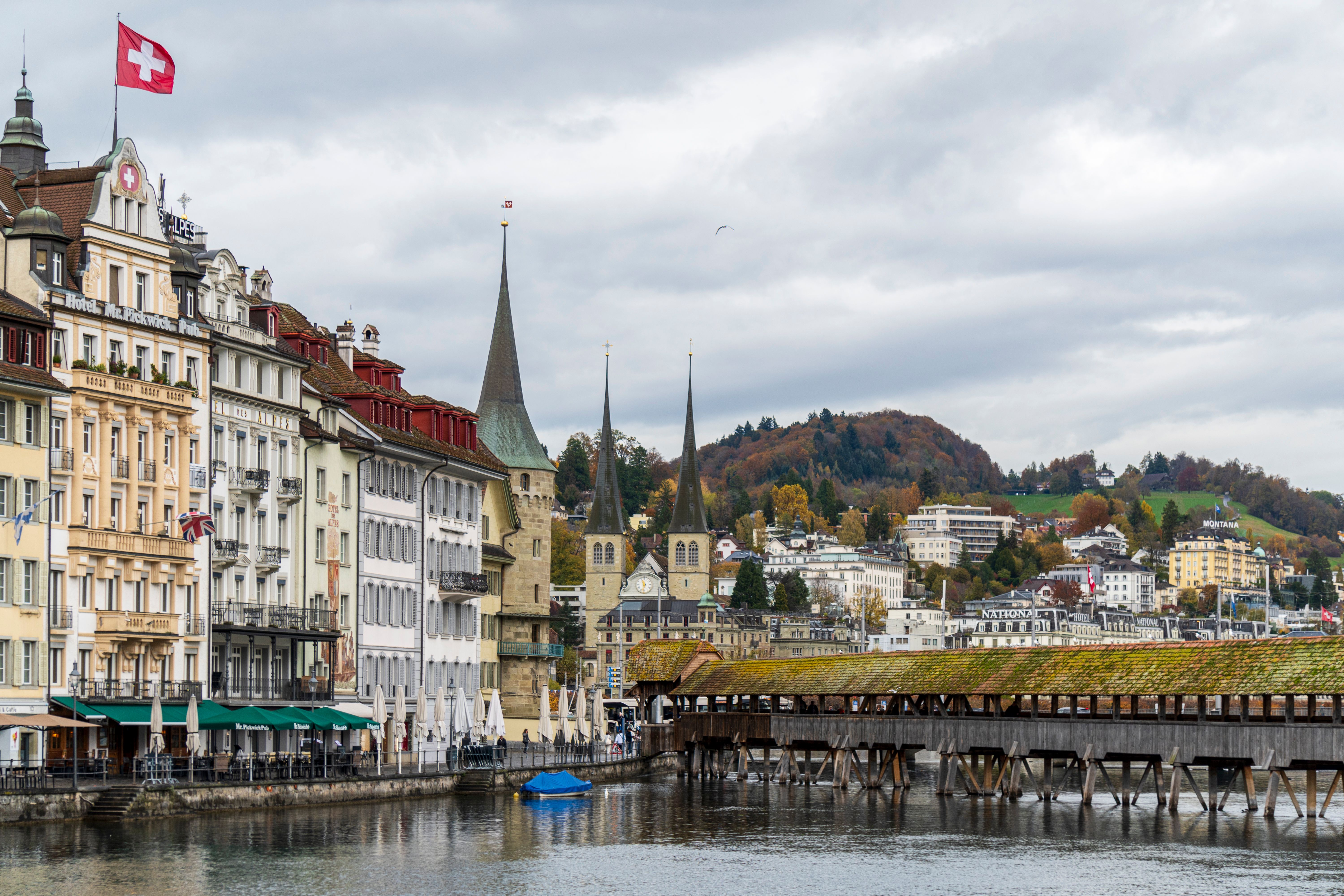
Guide to Residency in Switzerland


Summary: Learn how to obtain a residency visa in Switzerland. Expats, Retirees and others who have navigated the process offer advice and guidance for newcomers in Switzerland.
Obtaining a residency visa in Switzerland is not always easy, but our Guide to Residency in Switzerland gives newcomers an overview of the steps involved and advice from others who have already navigated the process.
- Understand the types of permits
- Short-term residents (less than 3 months): No permit required for EU/EFTA citizens. Non-EU/EFTA citizens may require a Schengen visa.
- Long-term residents (more than 3 months): Permit B for initial residence, Permit C for settlement.
- Check eligibility
- EU/EFTA citizens: Generally eligible to live and work in Switzerland.
- Non-EU/EFTA citizens: Eligibility depends on qualifications, work permit, family ties, etc.
- Secure a job or enroll in a educational institution
- Employed: Your employer will usually handle the permit process.
- Self-employed: Provide proof of self-employment and sufficient financial resources.
- Students: Enroll in a recognized educational institution.
- Find accommodation
- Rent or buy a property that meets your needs and complies with Swiss regulations.
- Register with the Residents' Registration Office within 14 days of moving in.
- Apply for a residence permit
- Submit application to the cantonal migration office where you live.
- Provide required documents: Valid passport, employment contract or educational enrollment, proof of accommodation, passport photo, etc.
- Website: State Secretariat for Migration (SEM)
- Apply for a tax number
- Register with the Federal Tax Administration after receiving your residence permit.
- Request a tax number by submitting the "Application for Taxation at Source" form.
- Website: Federal Tax Administration (FTA)
- Open a bank account
- Choose a bank that suits your needs.
- Provide required documents: Passport, residence permit, employment contract or educational enrollment, etc.
- Get health insurance
- Health insurance is mandatory in Switzerland.
- Choose a health insurance provider and sign up within three months of arrival.
- Website: Federal Office of Public Health (FOPH)
- Learn the local language
- Depending on the canton, the official language may be German, French, Italian, or Romansh.
- Enroll in language courses to improve communication and integration.
- Familiarize yourself with Swiss laws and customs
- Learn about Swiss culture, traditions, and social norms.
- Understand and respect Swiss laws and regulations.
Renewal and settlement
Residence permits should be renewed before expiration. After living in Switzerland for a certain period (usually 5 or 10 years), you may be eligible to apply for a settlement permit (Permit C).
Naturalization
After living in Switzerland for at least 10 years, you may be eligible to apply for Swiss citizenship. Factors such as integration, language skills, and respect for Swiss laws and customs are considered in the naturalization process.
What tips do expats have about residency and visas in Switzerland?
"To enter Switzerland, most foreign nationals require a visa. Depending on the citizenship and circumstances of the traveler, the appropriate visa can be acquired from either the Embassy or Consulate General of Switzerland in their home country. The visa application process includes submitting basic documentation such as a valid passport, passport photos, and a completed visa application form. Other documentation such as a proof of financial stability, travel itinerary, or an invitation letter may be required. To apply for residency in Switzerland, foreign nationals must provide documents such as a valid passport, a curriculum vitae, tax returns, and a valid bank statement. Depending on the applicant’s circumstances, additional documents may be required. Completed applications are submitted to the relevant cantonal immigration authorities in Switzerland. The authorities can then issue a legally binding residence permit. Once approved, the applicant will receive a residency permit valid for a period of 1-5 years. In some cases, residency may be renewed by submission of a renewal application," commented one member living in Switzerland.
About the Author
 Joshua Wood, LPC joined Expat Exchange in 2000 and serves as one of its Co-Presidents. He is also one of the Founders of Digital Nomad Exchange. Prior to Expat Exchange, Joshua worked for NBC Cable (MSNBC and CNBC
Primetime). Joshua has a BA from Syracuse and a Master's in Clinical and Counseling Psychology from Fairleigh Dickinson University. Mr. Wood is also a licensed counselor and psychotherapist.
Joshua Wood, LPC joined Expat Exchange in 2000 and serves as one of its Co-Presidents. He is also one of the Founders of Digital Nomad Exchange. Prior to Expat Exchange, Joshua worked for NBC Cable (MSNBC and CNBC
Primetime). Joshua has a BA from Syracuse and a Master's in Clinical and Counseling Psychology from Fairleigh Dickinson University. Mr. Wood is also a licensed counselor and psychotherapist.
Some of Joshua's articles include Pros and Cons of Living in Portugal, 10 Best Places to Live in Ireland and Pros and Cons of Living in Uruguay. Connect with Joshua on LinkedIn.
Additional Information:
- Switzerland Guide
- Healthcare & Health Insurance in Switzerland
- Members Talk about Healthcare & Health Insurance in Switzerland
- Best Places to Live in Switzerland
- Real Estate in Switzerland
- Guide to Real Estate in Switzerland
- Pros & Cons of Living in Switzerland
- Cost of Living in Switzerland
- Guide to Residency in Switzerland
- Moving to Switzerland
- 14 Expats Talk about What It's Like Living in Switzerland
- 10 Tips for Living in Switzerland
- 2026 Guide to Living in Switzerland
- Pros and Cons of Living in Switzerland 2026
- 2026 Guide to Moving to Switzerland