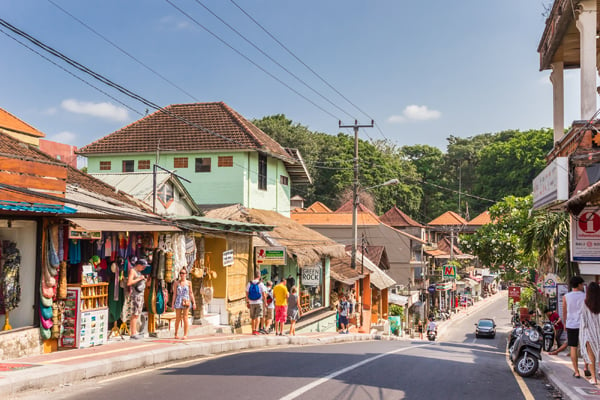
Understanding the Health System in Indonesia


Summary: Discover the realities of the healthcare system in Indonesia and how it may serve expats, digital nomads, retirees, and others who relocate or reside in the country.
Indonesia offers a mix of public and private healthcare services, with a national health insurance scheme designed to make healthcare more accessible. For expats and digital nomads, understanding the health insurance system is crucial for ensuring adequate medical coverage during their stay.
Health Insurance Companies in Indonesia
Some of the most popular health insurers in Indonesia include Prudential, Allianz, and AXA. These companies offer a range of health insurance plans that cater to different needs and budgets. Expats are generally eligible to purchase health insurance from these companies, subject to the specific terms and conditions of each provider. Prudential is known for its comprehensive coverage and customer service, while Allianz offers flexible plans tailored to individual requirements. AXA is also a well-regarded option, providing a variety of health insurance solutions designed to meet diverse healthcare needs.
Expat Health Insurance in Indonesia
Many expats living in Indonesia opt for specialized expat health insurance plans designed specifically for their needs. These plans often provide more comprehensive coverage, including medical evacuation and repatriation benefits, which can be crucial in case of serious illness or injury. Additionally, expat health insurance typically offers global coverage, allowing policyholders to seek treatment in their home country or other international destinations if needed.
Local Health Insurance vs. Expat Health Insurance
Expats and digital nomads in Indonesia have the option to choose between local health insurance providers and specialized expat health insurance providers. While local health insurance companies offer coverage within Indonesia, expats often prefer specialized expat health insurance due to its broader international coverage and additional benefits tailored to their specific needs. These plans can provide more extensive coverage and flexibility, making them a popular choice among the expat community.
Considerations When Choosing Health Insurance Overseas
When deciding on health insurance while living abroad, it's important to consider several factors. One key aspect is whether the insurer pays the medical bills directly or if the policyholder is required to pay upfront and then submit claims for reimbursement. Direct billing can be more convenient and reduce out-of-pocket expenses, especially in emergency situations. Additionally, expats should consider the extent of coverage, including whether it includes pre-existing conditions, dental care, and maternity benefits. Evaluating these factors can help ensure that the chosen health insurance plan meets the specific needs and provides adequate protection during their stay in Indonesia.
Insider Tips from Expats in Indonesia: How to Navigate the Health System
"Healthcare services in Indonesia are provided by both public and private institutions. The public healthcare system is funded by the government and is available to all citizens. The quality of public healthcare varies depending on the region, but generally it is considered to be of a lower standard than private healthcare. Foreign residents are able to access the public healthcare system, but they may need to pay for some services. Expats in Indonesia often use the public healthcare system for basic medical needs, but they may opt for private healthcare for more specialized treatments," commented one member living in Indonesia.
"It's very important to have health insurance and if you're on an international scheme, then have the documents on the ready to give proof. If you don't have healthcare insurance, be prepared to pay a pretty penny when sorting health bills," mentioned one expat living in Indonesia.
"Emergency services in Indonesia are generally reliable and efficient. In the event of an emergency, the best way to call for an ambulance is to dial the emergency number 112. This number is toll-free and is available 24 hours a day, 7 days a week. The operator will then dispatch an ambulance to the location of the emergency," commented one member living in Indonesia.
"There are many clinics and hospitals [in Bali] that are privately owned, but the ones in rural areas are staffed by people who speak little English. The most most popular hospital is BIMC in Nusa Dua which offers superb healthcare," mentioned one expat living in Indonesia.
About the Author
 Joshua Wood, LPC joined Expat Exchange in 2000 and serves as one of its Co-Presidents. He is also one of the Founders of Digital Nomad Exchange. Prior to Expat Exchange, Joshua worked for NBC Cable (MSNBC and CNBC
Primetime). Joshua has a BA from Syracuse and a Master's in Clinical and Counseling Psychology from Fairleigh Dickinson University. Mr. Wood is also a licensed counselor and psychotherapist.
Joshua Wood, LPC joined Expat Exchange in 2000 and serves as one of its Co-Presidents. He is also one of the Founders of Digital Nomad Exchange. Prior to Expat Exchange, Joshua worked for NBC Cable (MSNBC and CNBC
Primetime). Joshua has a BA from Syracuse and a Master's in Clinical and Counseling Psychology from Fairleigh Dickinson University. Mr. Wood is also a licensed counselor and psychotherapist.
Some of Joshua's articles include Pros and Cons of Living in Portugal, 10 Best Places to Live in Ireland and Pros and Cons of Living in Uruguay. Connect with Joshua on LinkedIn.
Additional Information:
- Indonesia Guide
- Healthcare & Health Insurance in Indonesia
- Members Talk about Healthcare & Health Insurance in Indonesia
- Best Places to Live in Indonesia
- Real Estate in Indonesia
- Guide to Real Estate in Indonesia
- Pros & Cons of Living in Indonesia
- Cost of Living in Indonesia
- Healthcare in Indonesia
- Pros and Cons of Living in Indonesia 2026
- 2026 Guide to Moving to Indonesia