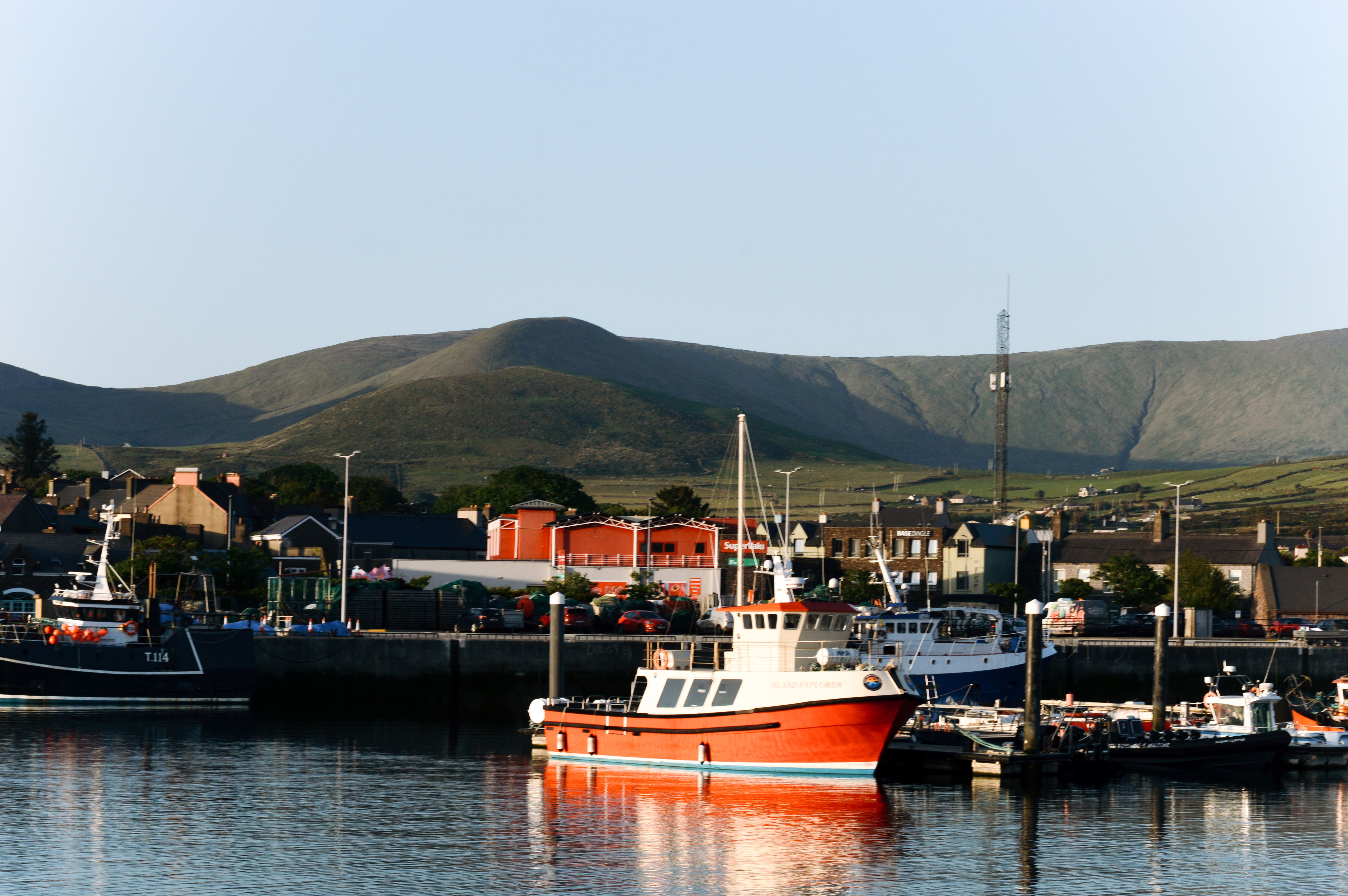
Understanding the Health System in Ireland


Summary: Familiarize yourself with the health system in Ireland. Understand its usage options and constraints for those who choose to move to and reside there, including expats, digital nomads, and retirees.
Moving to Ireland and buying a home is an exciting endeavor, but it can also be a complex process, especially for expats. This guide aims to provide a comprehensive overview of the key aspects involved in purchasing a property in Ireland, helping to make your transition as smooth as possible.
How do I find houses for sale in Ireland?
Finding houses for sale in Ireland can be done through various methods. Online property portals such as Daft.ie and MyHome.ie are popular resources that list properties from all over the country. Additionally, local real estate agents can provide valuable insights and access to properties that may not be widely advertised. Networking and word-of-mouth can also lead to finding suitable properties.
Are there restrictions on foreigners owning property in Ireland?
Generally, there are no restrictions on foreigners owning property in Ireland. EU/EEA and Swiss nationals have the same rights as Irish citizens when it comes to buying property. Non-EU/EEA nationals may need to obtain permission from the Land Commission if they wish to buy land for purposes other than building a single dwelling. However, this is more of a formality and rarely poses a significant obstacle. Legal advice can help navigate any specific circumstances.
Does Ireland have an MLS type system?
Ireland does not have a centralized Multiple Listing Service (MLS) like the one found in the United States. However, property portals like Daft.ie and MyHome.ie serve as comprehensive databases where real estate agents list properties for sale. These platforms are widely used and provide a good overview of the market.
Do brokers have licenses and how do I know if they are licensed?
In Ireland, real estate agents are legally required to hold a license from the Property Services Regulatory Authority (PSRA). To verify if a broker is licensed, you can check the PSRA's public register on their website. Licensed agents will also display their PSRA license number on their marketing materials and websites.
What documents are required when buying a home?
When buying a home in Ireland, several documents are required. These include a valid passport or ID, proof of address, proof of funds, and a PPS number (Personal Public Service number). Additionally, you will need a sales contract, a booking deposit receipt, and possibly a loan approval letter if you are taking out a mortgage. A solicitor will guide you through the specific documents needed for your transaction.
Do I need a lawyer when buying a home in Ireland?
Yes, it is highly recommended to hire a lawyer (solicitor) when buying a home in Ireland. The solicitor plays a crucial role in the conveyancing process, which involves the legal transfer of property ownership. They will handle legal searches, draft and review contracts, and ensure that all legal requirements are met. The cost for a solicitor varies, but it typically ranges from €1,000 to €3,000 plus VAT and outlays.
Do people typically buy a property with all cash or take out a mortgage?
In Ireland, both cash purchases and mortgages are common. However, the majority of buyers, especially first-time buyers, opt for a mortgage. Mortgages are available from various lenders, including banks and building societies. The mortgage approval process involves assessing your financial situation, income, and credit history. Cash buyers may have an advantage in negotiations but should still conduct thorough due diligence.
Are there inspections that take place, and if so what is that process like?
Property inspections are not mandatory in Ireland, but they are highly recommended. A qualified surveyor can conduct a structural survey to assess the condition of the property. This typically includes checking for structural issues, damp, and other potential problems. The survey report provides valuable information that can help in negotiations or deciding whether to proceed with the purchase. The cost of a survey varies depending on the size and type of property.
What are some of the pitfalls to avoid when buying property in Ireland?
When buying property in Ireland, it is important to be aware of potential pitfalls. These include not conducting proper legal searches, which can reveal issues such as planning permission problems or disputes. Rushing the process without thorough due diligence can also lead to problems. Additionally, be cautious of properties that have been on the market for a long time or have had significant price reductions, as these may indicate underlying issues. Working with a reputable solicitor and real estate agent can help mitigate these risks.
Insider Tips from Expats in Ireland: How to Navigate the Health System
"Healthcare services in Ireland are provided by both public and private providers. The public healthcare system is known as the Health Service Executive (HSE) and is funded by the government. It provides a range of services including primary care, hospital care, mental health services, and long-term care. The quality of public healthcare in Ireland is generally good, with a wide range of services available. Foreign residents in Ireland have access to the public healthcare system, however, they may need to pay a fee for certain services. Expats in Ireland can use the public healthcare system by registering with a local GP and paying the relevant fees. They may also be eligible for a medical card, which entitles them to free healthcare services," commented one member living in Ireland.
"Emergency services in Ireland are provided by the National Ambulance Service (NAS). The NAS provides emergency medical services, fire services, and search and rescue services. To call for an ambulance, dial 112 or 999 from any phone. The operator will ask for your location and the nature of the emergency. The operator will then dispatch an ambulance to the scene," commented one member living in Ireland.
About the Author
 Joshua Wood, LPC joined Expat Exchange in 2000 and serves as one of its Co-Presidents. He is also one of the Founders of Digital Nomad Exchange. Prior to Expat Exchange, Joshua worked for NBC Cable (MSNBC and CNBC
Primetime). Joshua has a BA from Syracuse and a Master's in Clinical and Counseling Psychology from Fairleigh Dickinson University. Mr. Wood is also a licensed counselor and psychotherapist.
Joshua Wood, LPC joined Expat Exchange in 2000 and serves as one of its Co-Presidents. He is also one of the Founders of Digital Nomad Exchange. Prior to Expat Exchange, Joshua worked for NBC Cable (MSNBC and CNBC
Primetime). Joshua has a BA from Syracuse and a Master's in Clinical and Counseling Psychology from Fairleigh Dickinson University. Mr. Wood is also a licensed counselor and psychotherapist.
Some of Joshua's articles include Pros and Cons of Living in Portugal, 10 Best Places to Live in Ireland and Pros and Cons of Living in Uruguay. Connect with Joshua on LinkedIn.
Additional Information:
- Ireland Guide
- Healthcare & Health Insurance in Ireland
- Members Talk about Healthcare & Health Insurance in Ireland
- Best Places to Live in Ireland
- Real Estate in Ireland
- Guide to Real Estate in Ireland
- Pros & Cons of Living in Ireland
- Cost of Living in Ireland
- Digital Nomads in Dublin
- 8 Important Tips about Healthcare for Expats in Ireland
- 7 Things to Know Before Moving to Ireland
- 10 Best Places to Live in Ireland
- 2026 Guide to Living in Ireland
- Pros and Cons of Living in Ireland 2026
- 2026 Guide to Moving to Ireland