Understanding the Health System in Pakistan

Summary: Familiarize yourself with the health system in Pakistan. Understand its usage options and constraints for those who choose to move to and reside there, including expats, digital nomads, and retirees.
Are you considering an international move to Pakistan? You're not alone. With its rich culture, vibrant cities, and breathtaking landscapes, Pakistan has much to offer. But like any country, it has its pros and cons. Let's dive into the details to help you make an informed decision.
Pros of Living in Pakistan
Pakistan, a land of warmth and hospitality, has numerous advantages that attract expats from all over the world. One of the first things you'll notice is the friendly and welcoming nature of the locals. Pakistanis are known for their hospitality, and they go out of their way to make visitors feel at home. It's not uncommon to be invited for a cup of chai or a meal within minutes of meeting someone.
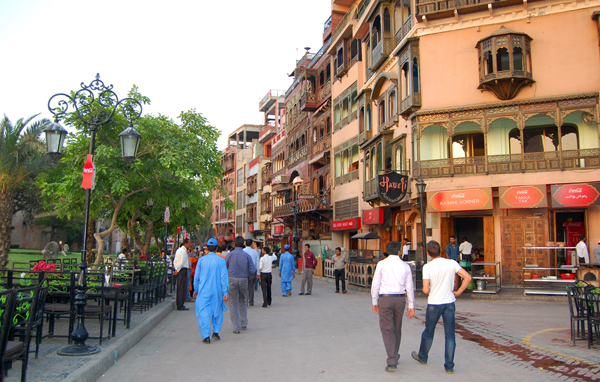
The country is also rich in culture and history. From the ancient ruins of Mohenjo-Daro and Harappa to the magnificent Mughal architecture of Lahore, Pakistan is a treasure trove for history enthusiasts. The vibrant and colorful traditions, the mouthwatering cuisine, and the soulful music and dance forms add to the cultural tapestry.
Pakistan's landscapes are breathtakingly diverse. From the snow-capped peaks of the Himalayas and Karakoram in the north to the vast deserts of Sindh and Balochistan, and the beautiful beaches along the Arabian Sea, Pakistan offers a wide range of natural wonders. The northern areas, particularly Gilgit-Baltistan, are often referred to as 'heaven on earth' due to their stunning beauty.
The cost of living is relatively low compared to many other countries. This means you can enjoy a comfortable lifestyle without breaking the bank. Housing, food, and transport are generally affordable. Moreover, Pakistan offers excellent shopping opportunities, from bustling bazaars to modern malls, where you can find everything from traditional handicrafts to international brands.
Pakistan is also home to a thriving arts and entertainment scene. Cities like Lahore, Karachi, and Islamabad host numerous cultural events, music festivals, and art exhibitions throughout the year. The Pakistan film industry, known as Lollywood, is also making waves, producing critically acclaimed movies that gain international recognition.
Lastly, Pakistan's educational institutions are renowned for their high standards. The country has a literacy rate of over 60%, and universities like LUMS, IBA, and NUST are known for producing top-notch professionals who excel in their respective fields globally.
Cons of Living in Pakistan
While Pakistan has many positives, it also has its share of challenges that potential expats should be aware of. One of the primary concerns is safety and security. Pakistan has faced issues with terrorism and political instability in the past. While the situation has improved significantly in recent years, safety can still be a concern in certain areas. Expats are advised to stay informed about the security situation and follow the guidelines provided by their respective embassies.
Infrastructure issues are another challenge. Power outages, poor road conditions, and inadequate public transport can make daily life frustrating. While the situation is improving, with numerous development projects underway, infrastructure remains a significant challenge.
The climate can be harsh, especially during the summer months when temperatures can soar to over 45°C in some regions. The monsoon season can also bring heavy rains and flooding. However, Pakistanis have adapted to these conditions, and there are strategies to cope with the extreme weather.
Pollution is a significant problem in major cities like Lahore and Karachi. Air and water pollution can have severe health implications, especially for those with respiratory issues or allergies. The government is taking steps to address this issue, but it remains a concern.
Culturally, Pakistan is a conservative society, and expats may face cultural barriers. Dress codes, particularly for women, are modest, and public displays of affection are generally frowned upon. Alcohol is prohibited, and the social scene may be different from what many expats are used to. However, Pakistan is also a diverse country with many liberal and progressive communities, particularly in the major cities.
Bureaucracy and corruption can be challenging to navigate. Dealing with government offices can be time-consuming and frustrating. Having local contacts or hiring an agent can help ease the process.
Lastly, healthcare facilities may not be up to the standards that expats are used to, particularly in rural areas. While there are excellent hospitals and clinics in the major cities, the overall system needs improvement. Expats are advised to have comprehensive health insurance that includes evacuation coverage for medical emergencies.
to Pakistan can be an exciting and enriching experience, filled with warmth, hospitality, and a rich cultural tapestry. However, it's essential to weigh the pros and cons, do thorough research, and be prepared for the challenges that come with living in a developing country. Engaging with the local community, staying informed, and keeping an open mind can greatly enhance your experience of living in Pakistan.
Insider Tips from Expats in Pakistan: How to Navigate the Health System
"Healthcare services in Pakistan are provided by both public and private sectors. The public healthcare system is funded by the government and is available to all citizens of Pakistan. The quality of public healthcare varies from region to region, with some areas having better access to medical facilities than others. Foreign residents are able to access the public healthcare system, however, they may need to pay for some services. Expats in Pakistan can use the public healthcare system, however, they may need to pay for some services. In addition, many expats opt to use private healthcare services, which are often of a higher quality than public healthcare," commented one member living in Pakistan.
"Emergency services in Pakistan are generally available in major cities and towns. In order to call for an ambulance, one can dial the emergency number 112 from any landline or mobile phone. The ambulance service is free of charge and is usually provided by the local government. The ambulance will be dispatched to the location of the caller and will provide medical assistance," commented one member living in Pakistan.
About the Author
 Joshua Wood, LPC joined Expat Exchange in 2000 and serves as one of its Co-Presidents. He is also one of the Founders of Digital Nomad Exchange. Prior to Expat Exchange, Joshua worked for NBC Cable (MSNBC and CNBC
Primetime). Joshua has a BA from Syracuse and a Master's in Clinical and Counseling Psychology from Fairleigh Dickinson University. Mr. Wood is also a licensed counselor and psychotherapist.
Joshua Wood, LPC joined Expat Exchange in 2000 and serves as one of its Co-Presidents. He is also one of the Founders of Digital Nomad Exchange. Prior to Expat Exchange, Joshua worked for NBC Cable (MSNBC and CNBC
Primetime). Joshua has a BA from Syracuse and a Master's in Clinical and Counseling Psychology from Fairleigh Dickinson University. Mr. Wood is also a licensed counselor and psychotherapist.
Some of Joshua's articles include Pros and Cons of Living in Portugal, 10 Best Places to Live in Ireland and Pros and Cons of Living in Uruguay. Connect with Joshua on LinkedIn.
Additional Information:
- Pakistan Guide
- Healthcare & Health Insurance in Pakistan
- Members Talk about Healthcare & Health Insurance in Pakistan
- Best Places to Live in Pakistan
- Guide to Real Estate in Pakistan
- Pros & Cons of Living in Pakistan
- Cost of Living in Pakistan
- Dengue Virus in Pakistan
- Culture Shock in Pakistan
- Homeschooling in Pakistan
- How to Enroll Your Children in School in Pakistan
- 2026 Guide to Living in Pakistan
- Pros and Cons of Living in Pakistan 2026