Oslo
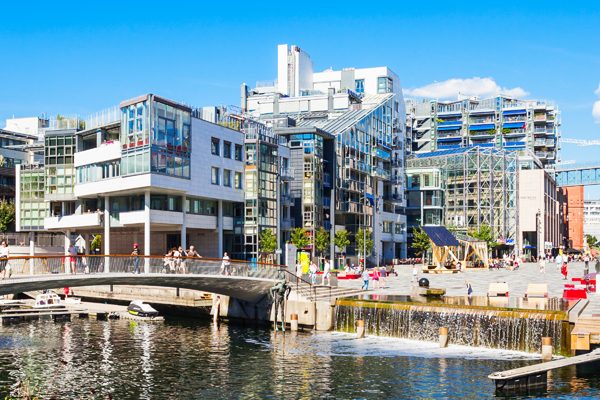
Urban Coastal Beaches RiverfrontOslo is the capital and largest city of Norway, situated at the head of the Oslofjord in southeastern Norway. The city seamlessly blends modern Scandinavian design with rich medieval history, featuring iconic architecture ranging from the contemporary Opera House to historic Akershus Fortress. Oslo serves as the political, economic, and cultural heart of Norway, hosting the Nobel Peace Prize ceremony annually. The city is surrounded by forests and water, offering residents and visitors easy access to outdoor recreation including skiing, hiking, and water activities. Oslo's neighborhoods each have distinct character—from the bohemian Grünerløkka district to the upscale Frogner area. The city is known for its progressive values, sustainability initiatives, and high quality of life. Museums and galleries are abundant, showcasing everything from Viking ships to contemporary art. Oslo's compact size makes it highly walkable and bikeable, with excellent public transportation connecting the city center to surrounding areas. The vibrant food scene reflects both traditional Norwegian cuisine and international influences, with numerous restaurants, cafes, and markets throughout the city.
 PassportCard Expat Health Insurance
Get Quote
Never worry about paying your medical bills out of pocket again. The innovative PassportCard allows for a stress-free experience for all expat families, remote travelers, and workers. With a 24/7 customer service and an outstanding customer base of over 2 Million clients, it will feel like medical care at home. Get up to 10% off on your policy now.
PassportCard Expat Health InsuranceNever worry about paying your medical bills out of pocket again. The innovative PassportCard allows for a stress-free experience for all expat families, remote travelers, and workers. With a 24/7 customer service and an outstanding customer base of over 2 Million clients, it will feel like medical care at home. Get up to 10% off on your policy now.
Get Quote
Visa & Residency
Obtaining a residency in Norway involves several steps and the process can vary depending on the type of visa one is applying for. The most common types of residency visas include the Skilled Worker Visa and the Family Visa. For the Skilled Worker Visa, applicants must have a job offer from a Norwegian employer, and the job must require qualifications as a skilled worker, such as a university degree or vocational training. The employer must also pay a minimum salary that corresponds to the industry standard. The Family Immigration Visa is for those who have family members in Norway and wish to join them. The family member in Norway must have a certain income and be able to support the applicant. For digital nomads, the Independent Contractor Visa is an option. This visa is for those who plan to do freelance work or run their own business in Norway. It is valid for up to two years and can be extended. To qualify, applicants must prove they have clients in Norway or a plan for obtaining them, and they must meet income requirements. The application process generally involves submitting the necessary documentation, such as a valid passport, proof of employment or family ties in Norway, and evidence of sufficient funds to support oneself. Applicants must also pass a background check and may need to attend an interview at a Norwegian embassy or consulate. The processing time for visa applications can vary, but it typically takes a few months. Overall, the process is systematic and can be considered average in terms of difficulty compared to other countries. It is important to follow the guidelines provided by the Norwegian Directorate of Immigration (UDI) and to ensure that all information and documents provided are accurate and up to date. Applicants are advised to start the process well in advance of their planned move to Norway.
Cost of Living
The cost of living in Oslo is high, ranking among the most expensive cities in Europe. Housing costs, including both rent and property purchases, are particularly steep due to strong demand and limited housing supply. Dining, transportation, and general consumer goods also reflect elevated price levels typical of Scandinavian capitals.
Weather
Oslo experiences a temperate continental climate with cold, snowy winters and mild summers. The city receives moderate precipitation year-round, with winter temperatures often dropping below freezing.
Healthcare in Oslo
Oslo has excellent healthcare facilities including Oslo University Hospital, one of Norway's leading medical centers, and several well-equipped private clinics. The Norwegian healthcare system is highly regarded with modern technology, skilled medical professionals, and comprehensive services. Emergency care is readily accessible and of high quality throughout the city.
Schools in Oslo
Oslo has several international schools including the International School of Oslo (ISO), which offers IB programs, and British International School of Oslo (BISO). These schools serve expat families and provide curricula aligned with international standards.
Oslo offers bilingual schools such as Lycée Français and various Montessori schools with bilingual programs. These schools typically combine Norwegian with English, French, or other languages in their curricula.
Restaurants in Oslo
Living in Oslo
Moving to Oslo
Healthcare in Oslo