Norway
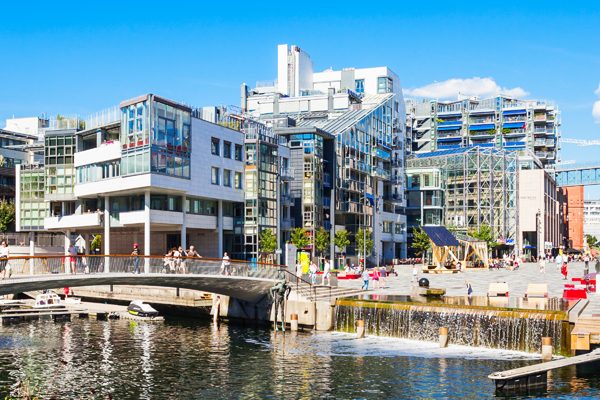
Coastal BeachesNorway is a Scandinavian country in Northern Europe known for its dramatic fjords, mountains, and extensive coastline along the North Atlantic and Arctic Ocean. The country has a high standard of living, strong economy based on oil, gas, and renewable energy, and a culture that values outdoor activities, equality, and work-life balance. Norwegian society is modern, progressive, and highly developed with excellent public services, education, and healthcare systems. The population is relatively small (about 5.5 million) and concentrated in urban areas, particularly around Oslo. Life in Norway emphasizes sustainability, nature connection, and social welfare. The country offers a safe, stable environment with strong rule of law and low corruption.
 SJB Global
Connect
SJB-Global is a top-rated financial advisory firm specializing in expat financial advice worldwide, offering retirement planning & tax-efficient solutions with a regressive fee model. Our clients benefit from their country’s most favorable tax environment by utilizing the efficient investment vehicles we offer. Our commitment to quality service is reflected in our stellar reviews, with over 300 testimonials boasting 95% five-star ratings.
Click connect to have our partner contact you via e-mail and/or phone.
SJB GlobalSJB-Global is a top-rated financial advisory firm specializing in expat financial advice worldwide, offering retirement planning & tax-efficient solutions with a regressive fee model. Our clients benefit from their country’s most favorable tax environment by utilizing the efficient investment vehicles we offer. Our commitment to quality service is reflected in our stellar reviews, with over 300 testimonials boasting 95% five-star ratings.
Connect
Click connect to have our partner contact you via e-mail and/or phone.
Podcasts

Episode 8: Jake Barber - The Expat Finance Expert Returns



Episode 6: Jake Barber - Expat Finance Expert and Lifelong Expat
Living in Norway
Best Places to Live in Norway
Visa & Residency
Obtaining a residency in Norway involves several steps and the process can vary depending on the type of visa one is applying for. The most common types of residency visas include the Skilled Worker Visa and the Family Visa. For the Skilled Worker Visa, applicants must have a job offer from a Norwegian employer, and the job must require qualifications as a skilled worker, such as a university degree or vocational training. The employer must also pay a minimum salary that corresponds to the industry standard. The Family Immigration Visa is for those who have family members in Norway and wish to join them. The family member in Norway must have a certain income and be able to support the applicant. For digital nomads, the Independent Contractor Visa is an option. This visa is for those who plan to do freelance work or run their own business in Norway. It is valid for up to two years and can be extended. To qualify, applicants must prove they have clients in Norway or a plan for obtaining them, and they must meet income requirements. The application process generally involves submitting the necessary documentation, such as a valid passport, proof of employment or family ties in Norway, and evidence of sufficient funds to support oneself. Applicants must also pass a background check and may need to attend an interview at a Norwegian embassy or consulate. The processing time for visa applications can vary, but it typically takes a few months. Overall, the process is systematic and can be considered average in terms of difficulty compared to other countries. It is important to follow the guidelines provided by the Norwegian Directorate of Immigration (UDI) and to ensure that all information and documents provided are accurate and up to date. Applicants are advised to start the process well in advance of their planned move to Norway.
Healthcare in Norway
Norway boasts a universal public system, ensuring that all residents have access to essential medical services. The system is funded by taxation, and the government oversees the provision of healthcare services, which are largely free at the point of use, although there are some nominal fees for certain treatments and prescriptions. Private healthcare exists but is not as prevalent as the public system, and it is typically used for elective procedures or to bypass waiting lists. The quality of healthcare in Norway is generally high, with a well-developed infrastructure and a strong focus on public health initiatives. Expats and digital nomads can gain access to public healthcare once they become legal residents of Norway, which usually involves registering with the local authorities and obtaining a Norwegian identification number. After registration, they are entitled to the same healthcare benefits as Norwegian citizens.
Cost of Living
Norway has one of the highest costs of living in the world. Housing is particularly expensive, with property prices in Oslo and other major cities ranging from 80,000-150,000 NOK per square meter (approximately $7,500-14,000 USD per square meter). Rental prices for a one-bedroom apartment in city centers typically range from 12,000-18,000 NOK monthly ($1,100-1,700 USD). Daily expenses including groceries, dining, and transportation are significantly higher than most countries, though wages are correspondingly high.
Weather
Norway experiences significant seasonal variation due to its northern latitude, with long, dark winters and brief, bright summers. Winter temperatures range from -10°C to 0°C (14°F to 32°F) in most populated areas, though coastal regions are milder due to the Gulf Stream. Summers are cool and pleasant, typically 15-20°C (59-68°F), with extended daylight hours in the north. Precipitation is common year-round, particularly in western coastal regions.
Educational System in Norway
The educational system in Norway is known for its high quality and is designed to be inclusive and equitable for all children. Education is mandatory for children from the age of 6 to 16. The system is divided into three parts: primary school (Barneskole) from ages 6 to 13, lower secondary school (Ungdomsskole) from ages 13 to 16, and upper secondary school (Videregående skole) from ages 16 to 19. Primary and lower secondary education cover grades 1 to 10, where children receive a broad foundational education. Upper secondary education, which is not mandatory, offers either general studies leading to university admission or vocational training. Norwegian children start school in August of the year they turn six, and they graduate from upper secondary school at around 19 years of age. The Norwegian education system emphasizes student-centered learning, with a focus on developing critical thinking skills and fostering the ability to work both independently and collaboratively. Schools also place a strong emphasis on outdoor education and physical activity. The Norwegian government funds the public education system, and there are no tuition fees for attending public schools. Private schools also exist but are less common. The overall quality of education in Norway is considered to be high, with students performing well in international assessments
Living in Norway
Healthcare in Norway
Best Places to Live in Norway
Moving to Norway