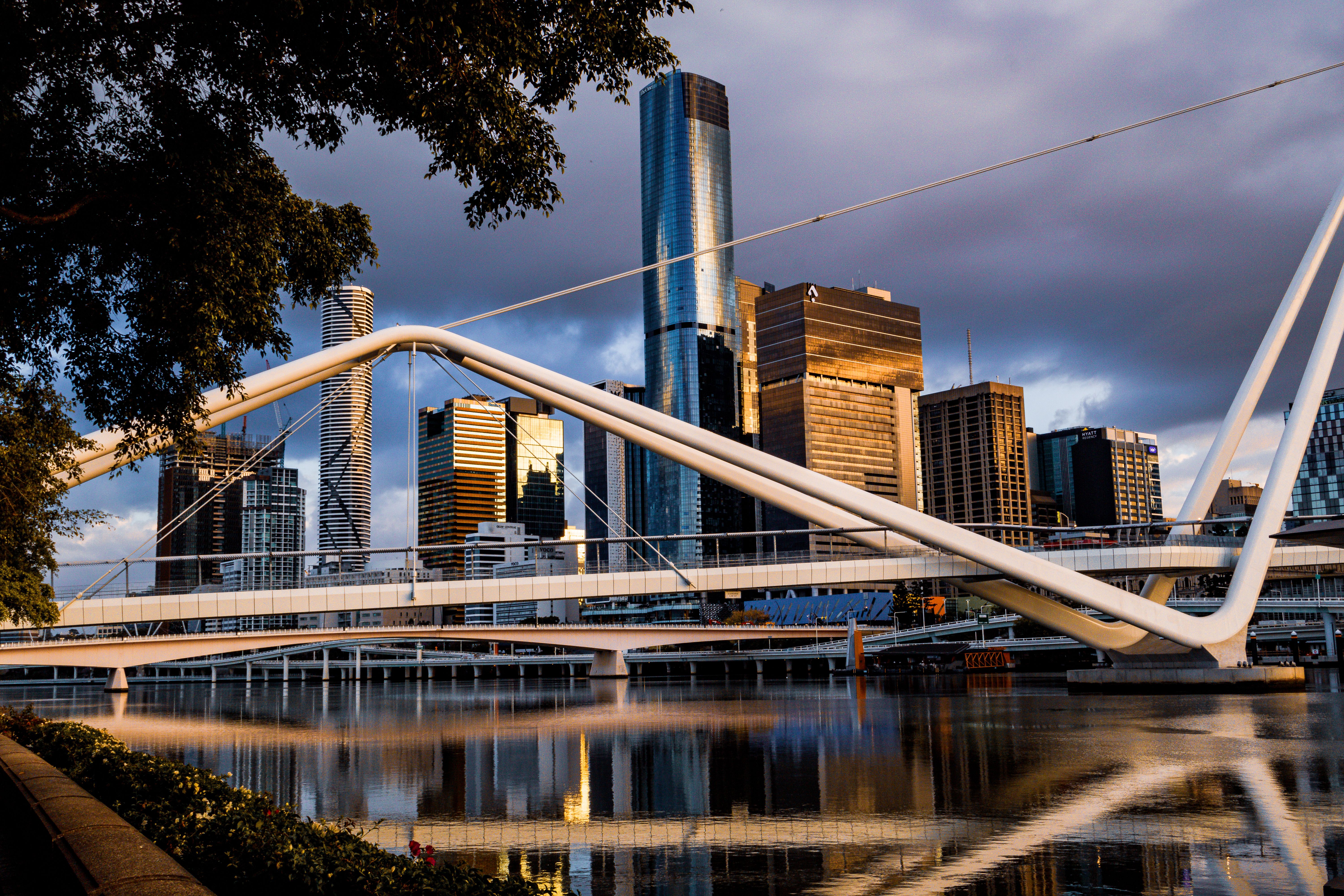
Retire in Brisbane Guide


Summary: Retire in Brisbane with confidence, armed with the knowledge from our extensive guide. It covers critical considerations for retirees, from the cost of living and climate to housing, healthcare, and residency choices in Brisbane. We also delve into the social and cultural scene, volunteering options, public transportation facilities, and the city's walkability, helping you make an informed decision.
Brisbane is a popular destination for international retirees, offering a vibrant lifestyle, warm climate, and a high standard of living. The city is known for its friendly locals, beautiful parks, and world-class healthcare facilities. However, like any other place, retiring in Brisbane comes with its own set of challenges, including adjusting to a new culture, navigating the healthcare system, and managing the cost of living.
Cost of Living
The cost of living in Brisbane is relatively high compared to other cities in Australia. However, it is still more affordable than Sydney or Melbourne. Housing is the biggest expense for most retirees, with the median house price in Brisbane being around $550,000. Groceries, utilities, and transportation costs are also significant. Despite this, many retirees find that the high quality of life in Brisbane is worth the cost.
Climate
Brisbane boasts a subtropical climate with warm or hot weather for most of the year. Summers can be humid with occasional thunderstorms, while winters are mild and dry. This makes Brisbane an ideal location for retirees who enjoy outdoor activities and want to avoid the harsh winters of other regions.
Healthcare
Brisbane is home to some of Australia's best hospitals and medical facilities. The city's healthcare system is highly regarded, offering a wide range of services from general practitioners to specialists. However, it's important for international retirees to have adequate health insurance as medical costs can be high.
Public Healthcare System
Australia's public healthcare system, Medicare, provides free or subsidized treatment by health professionals and free treatment and accommodation in public hospitals. However, most international retirees are not eligible for Medicare and must rely on private health insurance.
Residency Options for Retirees
There are several visa options for retirees wishing to live in Australia, including the Investor Retirement Visa and the Parent Visa. These visas have different requirements and benefits, so it's important to research and choose the one that best suits your needs.
Parks and Recreational Activities
Brisbane is known for its beautiful parks and outdoor spaces. The city's South Bank Parklands offer a range of activities, from swimming at the man-made beach to strolling through the lush gardens. For those who enjoy hiking, the nearby Mount Coot-tha Reserve offers stunning views of the city.
Restaurants
Brisbane's food scene is diverse and vibrant, with a range of restaurants to suit every taste and budget. Some popular options include the Italian restaurant Beccofino, the Asian fusion restaurant Little Valley, and the seafood restaurant Gambaro's.
Learning the Language
While English is the main language spoken in Brisbane, there are several language schools in the city for those wishing to improve their English skills. These include the Brisbane Language School and the English Language Company.
What Locals are Like
Brisbane locals are known for their friendly and laid-back nature. They are generally welcoming to newcomers and are always ready to lend a helping hand. This makes it easier for international retirees to settle in and feel at home.
Volunteer Opportunities
There are numerous volunteer opportunities in Brisbane, from helping out at local charities to participating in community events. Organizations such as Volunteering Queensland can help retirees find suitable volunteer roles.
Housing Options
Retirees in Brisbane typically live in houses or apartments, either in the city center or in the suburbs. The city offers a range of housing options, from luxury apartments with river views to more affordable homes in the suburbs.
Transportation
Brisbane has an extensive public transportation system, including buses, trains, and ferries. This makes it easy to get around the city without a car. However, some retirees may prefer to have a car for convenience and flexibility.
Retiring in Brisbane, Australia offers a unique blend of city life and natural beauty, making it an attractive destination for international retirees. Despite the challenges, many find that the benefits of living in Brisbane far outweigh the drawbacks.
About the Author
 Betsy Burlingame is the Founder and President of Expat Exchange and is one of the Founders of Digital Nomad Exchange. She launched Expat Exchange in 1997 as her Master's thesis project at NYU. Prior to Expat Exchange, Betsy worked at AT&T in International
and Mass Market Marketing. She graduated from Ohio Wesleyan University
with a BA in International Business and German.
Betsy Burlingame is the Founder and President of Expat Exchange and is one of the Founders of Digital Nomad Exchange. She launched Expat Exchange in 1997 as her Master's thesis project at NYU. Prior to Expat Exchange, Betsy worked at AT&T in International
and Mass Market Marketing. She graduated from Ohio Wesleyan University
with a BA in International Business and German.
Some of Betsy's articles include 12 Best Places to Live in Portugal, 7 Best Places to Live in Panama and 12 Things to Know Before Moving to the Dominican Republic. Betsy loves to travel and spend time with her family. Connect with Betsy on LinkedIn.
Additional Information:
- Expat Guide to Brisbane
- Cost of Living in Brisbane
- Health Care in Brisbane
- The Essential Guide to Brisbane
- Healthcare & Health Insurance in Australia
- Best Places to Live in Australia
- Real Estate in Australia
- Pros & Cons of Living in Australia
- Culture Shock in Australia
- Pros and Cons of Living in Australia 2026
- 2026 Guide to Moving to Australia