Retire in Vienna Guide


Summary: If Vienna is on your retirement radar, our detailed Retire in Vienna Guide is your go-to resource. Delve into the crucial aspects of life here, including living costs, climate, housing options, healthcare services, and residency procedures. We also explore the city's social dynamics, volunteering scenes, transportation, and how walkable its neighborhoods are.
Vienna, is a city that has consistently ranked high in quality of life surveys, making it an attractive destination for international retirees. The city's rich history, vibrant culture, and excellent healthcare system are just a few of the reasons why many choose to spend their golden years here. However, like any major city, it also presents its own set of challenges, such as the high cost of living and the language barrier.
Living Expenses in the Austrian Capital
Vienna is not the cheapest city to live in, but it offers good value for money considering the high quality of life. The cost of housing, groceries, and utilities are generally higher than the average in other European cities. However, retirees can find more affordable options in the city's outskirts or in neighboring towns. Dining out and entertainment can also be pricey, but there are plenty of free or low-cost activities to enjoy, such as visiting the city's beautiful parks and museums.
Vienna's Climate
Vienna experiences a temperate continental climate, with warm summers and cold winters. The city is beautiful in all seasons, from the blooming flowers in spring to the snow-covered streets in winter. However, the cold weather can be a challenge for those not used to it, especially for retirees with health issues.
Healthcare in Vienna
Vienna boasts a world-class healthcare system, with excellent hospitals and highly skilled doctors. The city's central location in Europe also makes it easy to travel to other countries for specialized treatments. However, private healthcare can be expensive, and while the public healthcare system is comprehensive, it can be difficult for international retirees to navigate due to the language barrier.
Residency Options
Obtaining residency in Austria can be a complex process, especially for non-EU citizens. However, the country offers several options for retirees, including the "Red-White-Red Card for Self-Employed Key Workers" which allows retirees to live in Austria if they can prove they have sufficient financial means.
Outdoor Activities and Recreation
Vienna is known for its beautiful parks, such as the Prater and the Schönbrunn Palace Gardens. The city also offers a wide range of recreational activities, from hiking in the nearby Vienna Woods to enjoying a concert at the Vienna State Opera.
Local Cuisine and Dining
Vienna is famous for its coffee culture and traditional Austrian cuisine. Some popular and affordable restaurants include Figlmüller, known for its Wiener Schnitzel, and Café Central, a historic coffee house. For a more modern dining experience, Das Loft offers stunning city views and a creative menu.
Language Learning Opportunities
While many Viennese speak English, learning German can greatly enhance your experience in Vienna. The DeutschAkademie offers German courses for all levels, and the Volkshochschule Wien offers affordable language classes for seniors.
Local Culture and Socializing
Viennese people are known for their politeness and reserved nature. However, they are also very welcoming and friendly once you get to know them. Joining local clubs and participating in community events are great ways to meet people and immerse yourself in the local culture.
Volunteer Opportunities
Volunteering is a great way to give back to the community and meet like-minded people. Organizations like Caritas Wien and the Austrian Red Cross offer various volunteer opportunities for retirees.
Housing Options
Most retirees in Vienna live in apartments, which are available in a wide range of sizes and prices. The city's public transportation system is excellent, so living in the city center is not a necessity. Some popular neighborhoods for retirees include Hietzing, known for its green spaces, and Leopoldstadt, which is close to the city center but still offers a quiet, residential atmosphere.
Transportation in Vienna
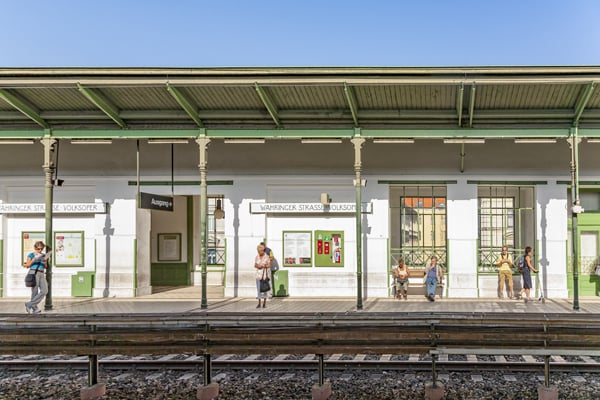
Vienna has an excellent public transportation system, making it easy to get around without a car. The city is also very walkable, with many pedestrian-friendly streets and paths. However, owning a car can be useful for trips outside the city or for those with mobility issues.
In conclusion, retiring in Vienna offers a high quality of life, with excellent healthcare, a rich culture, and plenty of recreational activities. However, it also requires careful planning and adjustment, especially in terms of cost of living and language learning.
About the Author
 Joshua Wood, LPC joined Expat Exchange in 2000 and serves as one of its Co-Presidents. He is also one of the Founders of Digital Nomad Exchange. Prior to Expat Exchange, Joshua worked for NBC Cable (MSNBC and CNBC
Primetime). Joshua has a BA from Syracuse and a Master's in Clinical and Counseling Psychology from Fairleigh Dickinson University. Mr. Wood is also a licensed counselor and psychotherapist.
Joshua Wood, LPC joined Expat Exchange in 2000 and serves as one of its Co-Presidents. He is also one of the Founders of Digital Nomad Exchange. Prior to Expat Exchange, Joshua worked for NBC Cable (MSNBC and CNBC
Primetime). Joshua has a BA from Syracuse and a Master's in Clinical and Counseling Psychology from Fairleigh Dickinson University. Mr. Wood is also a licensed counselor and psychotherapist.
Some of Joshua's articles include Pros and Cons of Living in Portugal, 10 Best Places to Live in Ireland and Pros and Cons of Living in Uruguay. Connect with Joshua on LinkedIn.
Additional Information:
- Expat Guide to Vienna
- Healthcare & Health Insurance in Vienna
- Best Neighborhoods for Families in Vienna
- Best Neighborhoods for Single People in Vienna
- Best International Schools and Bilingual Schools in Vienna
- 7 Weekend Getaways for Digital Nomads Living in Vienna
- Best Bookstores and Libraries in Vienna
- Fun Classes for Expats Living in Vienna
- Public Transportation in Vienna
- Best Markets in Vienna
- Retire in Vienna Guide
- 7 Tips for Living in Vienna
- Pros & Cons of Living in Vienna
- Tips for Expats Driving in Vienna
- Cost of Living in Vienna
- Health Care in Vienna
- The Essential Guide to Vienna
- 5 Tips for Living in Vienna, Austria
- Healthcare & Health Insurance in Austria
- Best Places to Live in Austria
- Real Estate in Austria
- Pros & Cons of Living in Austria
- Having a Baby in Austria
- What It's Like Living in Vienna
- Pros and Cons of Living in Austria 2026