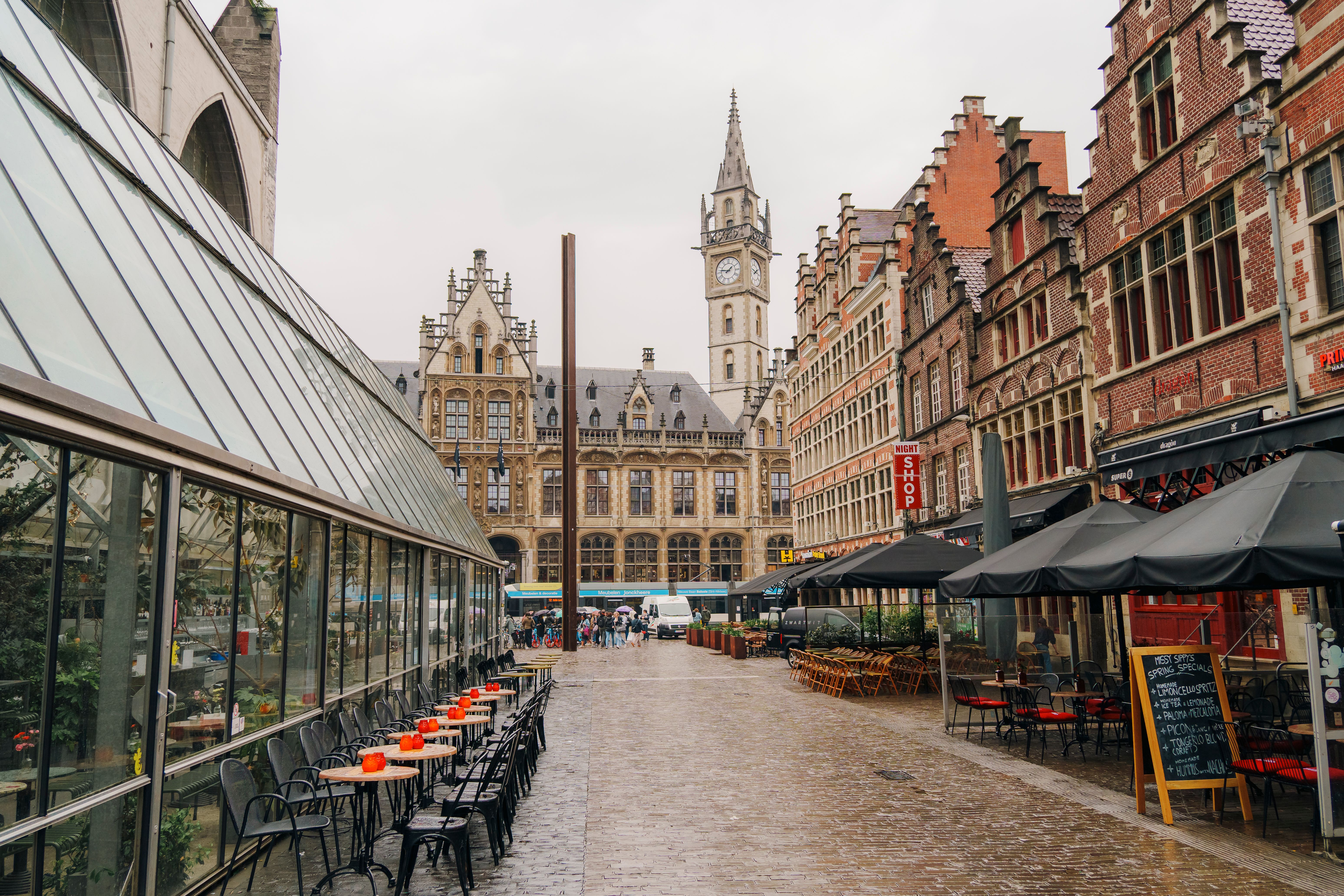
Pros and Cons of Living in Belgium


Summary: If you're moving to Belgium, it's important to learn about both the Pros AND Cons of living in Belgium.
Considering a move to Belgium? This charming nation, nestled in the heart of Europe, offers a unique blend of culture, history, and modernity. But like any other place, it has its ups and downs. Let's explore the pros and cons of living in Belgium to help you make an informed decision.
Pros of Living in Belgium
Belgium is a multicultural haven, with three official languages - Dutch, French, and German - and a vibrant mix of European influences. This diversity is perhaps best embodied in its cuisine. From the world-famous Belgian waffles and chocolates to the less-known but equally delicious stoemp and waterzooi, Belgium is a food lover's paradise. The country's location at the crossroads of Western Europe also makes it an ideal base for travel enthusiasts. Paris, Amsterdam, and London are all just a short train ride away.
Belgium is known for its high quality of life. It offers excellent healthcare and education systems, both of which are easily accessible to expats. The country has a strong economy and a robust job market, with numerous opportunities in sectors like politics, business, and technology. Brussels, the capital, is home to the European Union and NATO headquarters, attracting a large international community.
Belgians enjoy a balanced work-life culture. The average work week is around 38 hours, and employees are entitled to at least 20 days of vacation annually. This leaves plenty of time to explore Belgium's rich cultural scene. From the surreal art of Magritte to the comic genius of Hergé, creator of Tintin, Belgium punches above its weight in artistic contributions. Its cities host numerous festivals throughout the year, including the renowned Tomorrowland, one of the world's largest electronic dance music festivals.
Belgium is also a beer lover's dream. With over 1,500 original beers, it boasts one of the highest densities of breweries per capita in the world. Each beer has its unique glass, and the variety is astounding, from fruity lambics to strong Trappist ales brewed in monasteries. The beer culture is so integral that UNESCO has inscribed it on their list of Intangible Cultural Heritage of Humanity.
Lastly, Belgium is incredibly pet-friendly. Dogs are welcome in many restaurants, bars, and even some museums. This can make the transition to a new country much smoother for pet owners.
Cons of Living in Belgium
While Belgium has much to offer, it's not without its challenges. The is relatively high, particularly in cities like Brussels. Housing can be expensive and competitive, with a significant demand for rental properties. Additionally, taxes are high, with income tax rates reaching up to 50%.
The linguistic diversity of Belgium can also be a hurdle. While many Belgians speak excellent English, especially in international cities like Brussels, the official languages are Dutch, French, and German. Depending on where you live, you may need to learn one of these languages to navigate daily life and integrate into the local community. language can also be a sensitive political issue in Belgium. Tensions between the Flemish (Dutch-speaking) and Walloon (French-speaking) communities have led to complex political structures and occasional unrest.
Belgium's climate can be a challenge, especially for those who prefer warmer weather. Winters are cold and damp, with frequent rain and snow. Summers are mild but can be rainy as well. The lack of sunshine can lead to feelings of depression or seasonal affective disorder for some people.
The bureaucracy in Belgium can be notoriously slow and complicated. Registering as a resident, opening a bank account, or dealing with the tax office can require multiple visits and a great deal of patience. The process for obtaining a work permit or visa can also be lengthy and complex.
Driving in Belgium can be challenging, particularly in cities like Brussels where traffic congestion is a significant problem. Parking can be difficult and expensive. Public transportation is generally good, but there can be delays and disruptions, particularly during peak hours.
Lastly, while Belgium is generally safe, petty crime such as pickpocketing and bag snatching can be a problem, particularly in tourist areas and on public transportation. It's important to take precautions to protect your belongings.
moving to a new country is a significant decision, and it's essential to weigh the pros and cons carefully. Belgium, with its rich culture, high quality of life, and central location, has much to recommend it. However, it's also important to consider the challenges, from the high cost of living to the complex linguistic landscape. Whether Belgium is the right fit for you will depend on your personal preferences, priorities, and circumstances. But with an open mind and a willingness to adapt, many expats find that Belgium becomes a place they are proud to call home.
About the Author
 Joshua Wood, LPC joined Expat Exchange in 2000 and serves as one of its Co-Presidents. He is also one of the Founders of Digital Nomad Exchange. Prior to Expat Exchange, Joshua worked for NBC Cable (MSNBC and CNBC
Primetime). Joshua has a BA from Syracuse and a Master's in Clinical and Counseling Psychology from Fairleigh Dickinson University. Mr. Wood is also a licensed counselor and psychotherapist.
Joshua Wood, LPC joined Expat Exchange in 2000 and serves as one of its Co-Presidents. He is also one of the Founders of Digital Nomad Exchange. Prior to Expat Exchange, Joshua worked for NBC Cable (MSNBC and CNBC
Primetime). Joshua has a BA from Syracuse and a Master's in Clinical and Counseling Psychology from Fairleigh Dickinson University. Mr. Wood is also a licensed counselor and psychotherapist.
Some of Joshua's articles include Pros and Cons of Living in Portugal, 10 Best Places to Live in Ireland and Pros and Cons of Living in Uruguay. Connect with Joshua on LinkedIn.
Additional Information:
- Belgium Guide
- Healthcare & Health Insurance in Belgium
- Members Talk about Healthcare & Health Insurance in Belgium
- Best Places to Live in Belgium
- Real Estate in Belgium
- Guide to Real Estate in Belgium
- Pros & Cons of Living in Belgium
- Cost of Living in Belgium
- How to Buy a Home in Belgium
- Pros and Cons of Living in Belgium
- How to Rent a Home in Belgium
- How to Enroll in the Public Healthcare System in Belgium
- 2026 Guide to Living in Belgium
- Pros and Cons of Living in Belgium 2026
- 2026 Guide to Moving to Belgium