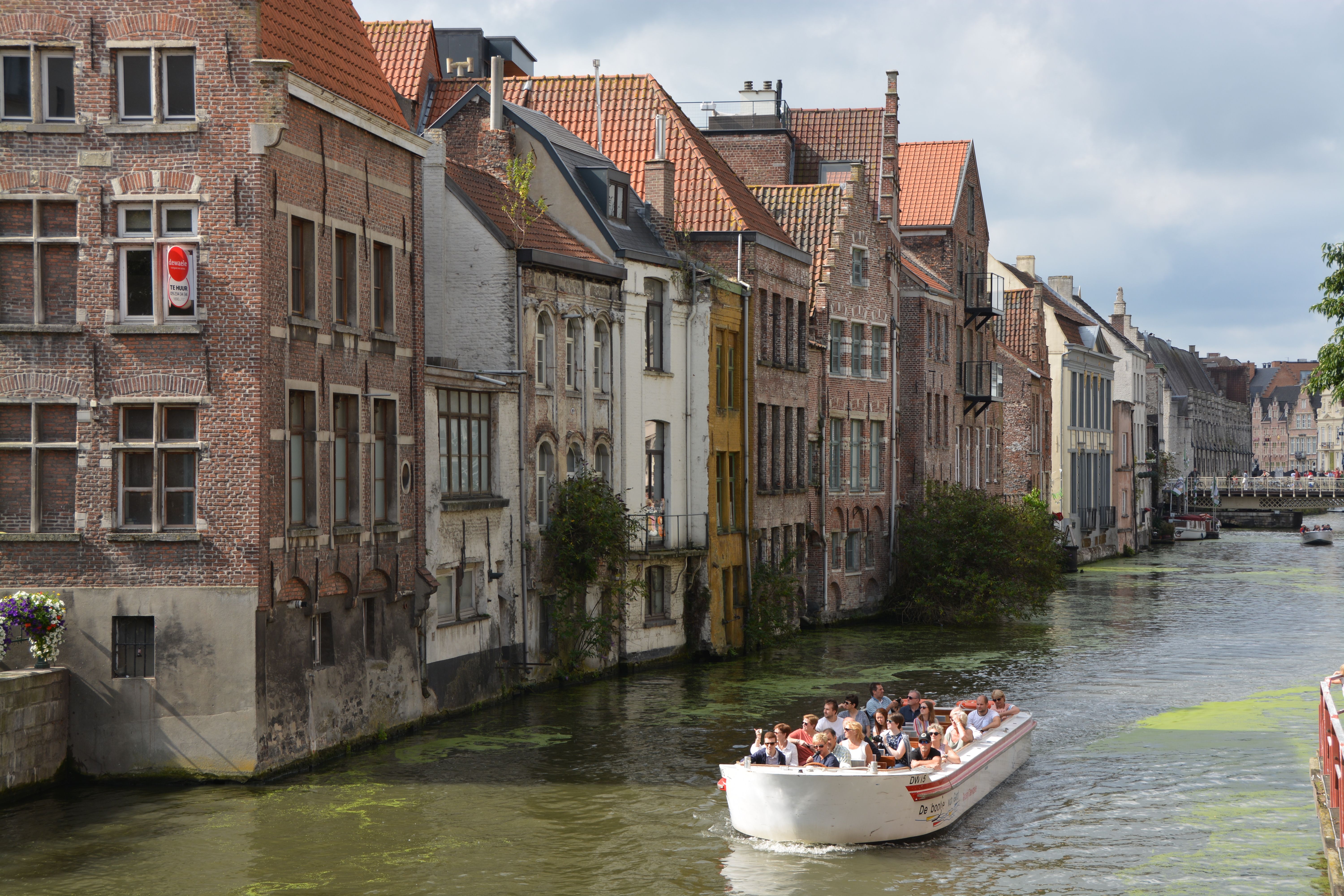
10 Things to Know Before Moving to Belgium


Summary: If you're planning a move to Belgium, here are 10 things expats living there wish they had known before moving to Belgium.
Are you considering a move to Belgium, the heart of Europe? With its rich history, vibrant cities, and delicious cuisine, Belgium is an attractive destination for expats. But before you pack your bags, here are ten things you should know to help you navigate the challenges and embrace the unique experiences that Belgium has to offer.
1. Embrace Multilingualism
Belgium is a multilingual country with three official languages: Dutch, French, and German. Brussels, the capital, is bilingual with French and Dutch being widely spoken. English is also commonly spoken, especially in the cities. Embracing this linguistic diversity can greatly enhance your experience. For instance, learning a few phrases in the local language can help you connect with locals and understand their culture better.
2. Understand the Regional Differences
Belgium is divided into three main regions: Flanders, Wallonia, and Brussels-Capital. Each has its own unique culture and character. Flanders, in the north, is more densely populated and has a strong Dutch influence. Wallonia, in the south, is predominantly French-speaking and has a more laid-back, rural feel. Brussels is a bustling, multicultural city that serves as the administrative capital of the EU. Understanding these regional differences can help you decide where you might feel most at home.
3. Get to Know the Belgian healthcare System
Belgium has a highly regarded healthcare system, but it can be complex for newcomers. health insurance is mandatory, and the system is primarily funded by social security contributions. There are both public and private healthcare providers. It's a good idea to register with a local doctor (general practitioner) as soon as you arrive, as they can guide you through the system and refer you to specialists if needed. Remember, having your European Health Insurance Card (EHIC) can be beneficial initially, but you'll need to register with a Belgian health insurance fund (mutuelle/ziekenfonds) for long-term residency.
4. Explore the Belgian Job Market
Belgium's job market is diverse, with opportunities in sectors like finance, IT, and public administration, especially in Brussels. However, the job hunt can be competitive. Networking is crucial, and platforms like LinkedIn are widely used. It's also important to note that many jobs require knowledge of at least one of the official languages. International companies and EU institutions often look for multilingual candidates. Don't forget to update your CV to the European format, as it's widely preferred.
5. Navigate the Housing Market
Finding accommodation in Belgium can be challenging, especially in popular areas like Brussels and Leuven. Housing options range from apartments to houses, with both rental and purchase options available. Websites like Vlan Immo and Zimmo are good starting points. It's also common to use real estate agents, but be prepared for agency fees. A tip: consider temporary accommodation initially to give yourself time to explore different neighborhoods and find the perfect fit.
6. Delve into Belgian Cuisine
Belgian cuisine is a delightful blend of French, German, and Dutch influences. It's known for its waffles, fries, chocolate, and beer, but there's so much more to discover. Moules-frites (mussels with fries) is a national dish, and speculoos (spiced shortcrust biscuit) is a beloved sweet treat. Each region has its specialties, like waterzooi (fish stew) in Flanders and boulets à la Liégeoise (meatballs in sauce) in Wallonia. Don't miss the chance to explore local markets, such as the Marché du Midi in Brussels, for fresh, local produce.
7. Prepare for the Weather
Belgium has a maritime temperate climate, which means mild winters and cool summers. However, rain is a common occurrence throughout the year. It's not unusual to experience all four seasons in a single day. Locals often joke about how unpredictable the weather can be. So, be prepared with layers and a raincoat. On the plus side, the weather provides a great excuse to enjoy Belgium's cozy cafes and bars.
8. Immerse Yourself in Belgian Culture
Belgium has a rich cultural scene with numerous museums, art galleries, and music festivals. Brussels is home to world-class museums like the Musées Royaux des Beaux-Arts, while Ghent hosts the renowned Gentse Feesten, a ten-day street festival. Belgium is also famous for its comic strip culture, with characters like Tintin and the Smurfs originating here. Moreover, Belgians love their festivals, from the Carnival of Binche to the Procession of the Holy Blood in Bruges.
9. Understand Belgian Bureaucracy
Belgium is known for its complex bureaucracy, which can be daunting for newcomers. Registering your residence, opening a bank account, and dealing with taxes can involve multiple steps and visits to different offices. Patience and persistence are key. Many expats recommend hiring a relocation agency to help navigate the initial paperwork. Also, keep all your important documents organized and easily accessible.
10. Engage with the Expat Community
Belgium has a large and active expat community, especially in Brussels. Engaging with this community can provide valuable support and advice. There are numerous expat groups and forums where you can ask questions, share experiences, and make friends. Many expats also join local clubs and classes to meet like-minded people. For example, joining a language class can help you learn the local language while making new friends. Don't hesitate to reach out and connect with others; it can make your transition to Belgian life much smoother.
Moving to Belgium can be an exciting adventure filled with new experiences, delicious food, and rich culture. By understanding and embracing the unique aspects of Belgian life, you'll be well on your way to making the most of your expat journey.
About the Author
 Joshua Wood, LPC joined Expat Exchange in 2000 and serves as one of its Co-Presidents. He is also one of the Founders of Digital Nomad Exchange. Prior to Expat Exchange, Joshua worked for NBC Cable (MSNBC and CNBC
Primetime). Joshua has a BA from Syracuse and a Master's in Clinical and Counseling Psychology from Fairleigh Dickinson University. Mr. Wood is also a licensed counselor and psychotherapist.
Joshua Wood, LPC joined Expat Exchange in 2000 and serves as one of its Co-Presidents. He is also one of the Founders of Digital Nomad Exchange. Prior to Expat Exchange, Joshua worked for NBC Cable (MSNBC and CNBC
Primetime). Joshua has a BA from Syracuse and a Master's in Clinical and Counseling Psychology from Fairleigh Dickinson University. Mr. Wood is also a licensed counselor and psychotherapist.
Some of Joshua's articles include Pros and Cons of Living in Portugal, 10 Best Places to Live in Ireland and Pros and Cons of Living in Uruguay. Connect with Joshua on LinkedIn.
Additional Information:
- Belgium Guide
- Healthcare & Health Insurance in Belgium
- Members Talk about Healthcare & Health Insurance in Belgium
- Best Places to Live in Belgium
- Real Estate in Belgium
- Guide to Real Estate in Belgium
- Pros & Cons of Living in Belgium
- Cost of Living in Belgium
- How to Enroll Your Children in School in Belgium
- Educational System in Belgium
- 10 Things to Know Before Moving to Belgium
- How to Buy a Home in Belgium
- 2026 Guide to Living in Belgium
- Pros and Cons of Living in Belgium 2026
- 2026 Guide to Moving to Belgium