10 Things to Know Before Moving to Israel


Summary: If you're planning a move to Israel, here are 10 things expats living there wish they had known before moving to Israel.
Are you considering a move to Israel? This vibrant and historic land offers a wealth of opportunities and experiences for expats. However, like any international move, it's important to do your research before packing your bags. Here are ten essential things to know before moving to Israel.
1. Understand the Visa Requirements
Israel offers various visa types for different purposes, including work, study, and immigration. The most common visa for expats is the B/1 Work Visa. To obtain this, you'll typically need a job offer from an Israeli company. The process can be lengthy, so it's crucial to start early. Additionally, Israel offers immigration visas for those eligible under the Law of Return, which grants automatic citizenship to Jews and their descendants.
2. Learn Hebrew to Integrate Easily
While many Israelis speak excellent English, especially in urban areas, learning Hebrew can greatly enhance your daily life and work opportunities. It's the language of government, education, and business. Plus, it's a phonetic language, which makes it easier to learn than many others. Consider taking an Ulpan course, an intensive Hebrew learning program designed for immigrants.
3. Explore the Diverse Cities
Israel is home to a variety of cities, each with its unique character. Tel Aviv is known for its vibrant nightlife and tech scene, while Jerusalem offers a rich historical and cultural experience. Haifa is appreciated for its diversity and tolerance, and Be'er Sheva is gaining a reputation as a cybertech hub. Research the cities to find the best fit for you.
4. Prepare for the Mediterranean Climate
Israel enjoys a Mediterranean climate, with mild, rainy winters and hot, dry summers. However, the weather can vary significantly depending on the region. For instance, Eilat, in the south, has a desert climate with extremely hot summers, while the Golan Heights in the north experiences cooler temperatures and even snow in winter. Be sure to pack accordingly.
5. Embrace the Food Culture
Israeli cuisine is a delicious fusion of Mediterranean, Middle Eastern, and Jewish influences. Hummus, falafel, shawarma, and shakshuka are just a few of the dishes you'll encounter. The markets, or shuks, are the best places to sample local food. Don't miss the Carmel Market in Tel Aviv or the Machane Yehuda Market in Jerusalem.
6. Understand the Cost of Living
The in Israel, particularly in cities like Tel Aviv, can be high. Housing, food, and education can be expensive. However, salaries in Israel, especially in the tech sector, tend to be competitive. It's also important to note that Israel offers various social benefits, such as and education, which can offset the high cost of living.
7. Navigate the Healthcare System
Israel has a universal healthcare system, which means all citizens and permanent residents are entitled to medical services. As a new immigrant, you'll need to register with one of the four Health Maintenance Organizations (HMOs). It's also a good idea to consider private health insurance to cover services not included in the public system.
8. Familiarize Yourself with Israeli Culture
Israelis are known for their direct and open communication style, which can sometimes come across as blunt to foreigners. They also place a high value on family and community. Shabbat, the Jewish day of rest, is observed from Friday evening to Saturday evening, and many businesses close during this time. Understanding these cultural nuances can help ease your transition.
9. Explore the Outdoor Wonders
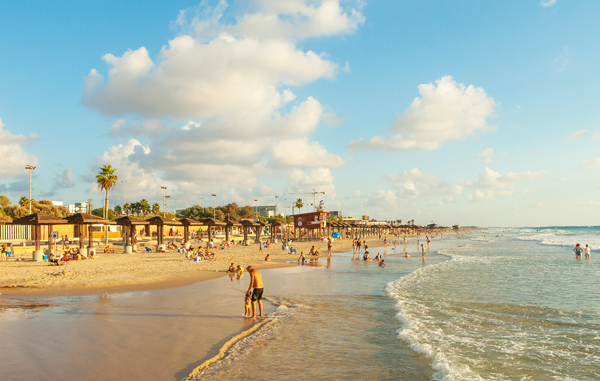
Israel is a small country, but it's packed with natural wonders. From the beaches of the Mediterranean and Red Sea to the desert landscapes of the Negev and the lush forests of the north, there's plenty to explore. Hiking, cycling, and water sports are popular activities. Don't miss the opportunity to float in the Dead Sea, the lowest point on Earth.
10. Stay Informed on the Security Situation
Security is a significant consideration in Israel. While the media often portrays a bleak picture, the reality on the ground is usually different. Many expats report feeling safe in their daily lives. It's essential to stay informed and follow the advice of local authorities. Also, consider registering with your country's embassy upon arrival.
Moving to Israel is a big step, but with careful planning and an open mind, it can be an incredibly rewarding experience. Whether you're drawn to the vibrant culture, the innovative tech scene, or the rich history, Israel has something to offer everyone.
About the Author
 Betsy Burlingame is the Founder and President of Expat Exchange and is one of the Founders of Digital Nomad Exchange. She launched Expat Exchange in 1997 as her Master's thesis project at NYU. Prior to Expat Exchange, Betsy worked at AT&T in International
and Mass Market Marketing. She graduated from Ohio Wesleyan University
with a BA in International Business and German.
Betsy Burlingame is the Founder and President of Expat Exchange and is one of the Founders of Digital Nomad Exchange. She launched Expat Exchange in 1997 as her Master's thesis project at NYU. Prior to Expat Exchange, Betsy worked at AT&T in International
and Mass Market Marketing. She graduated from Ohio Wesleyan University
with a BA in International Business and German.
Some of Betsy's articles include 12 Best Places to Live in Portugal, 7 Best Places to Live in Panama and 12 Things to Know Before Moving to the Dominican Republic. Betsy loves to travel and spend time with her family. Connect with Betsy on LinkedIn.
Additional Information:
- Israel Guide
- Healthcare & Health Insurance in Israel
- Members Talk about Healthcare & Health Insurance in Israel
- Best Places to Live in Israel
- Real Estate in Israel
- Guide to Real Estate in Israel
- Pros & Cons of Living in Israel
- Cost of Living in Israel
- Pros and Cons of Living in Israel
- How to Rent a Home in Israel
- How to Enroll in the Public Healthcare System in Israel
- 10 Best Places for Families to Live in Israel
- Pros and Cons of Living in Israel 2026