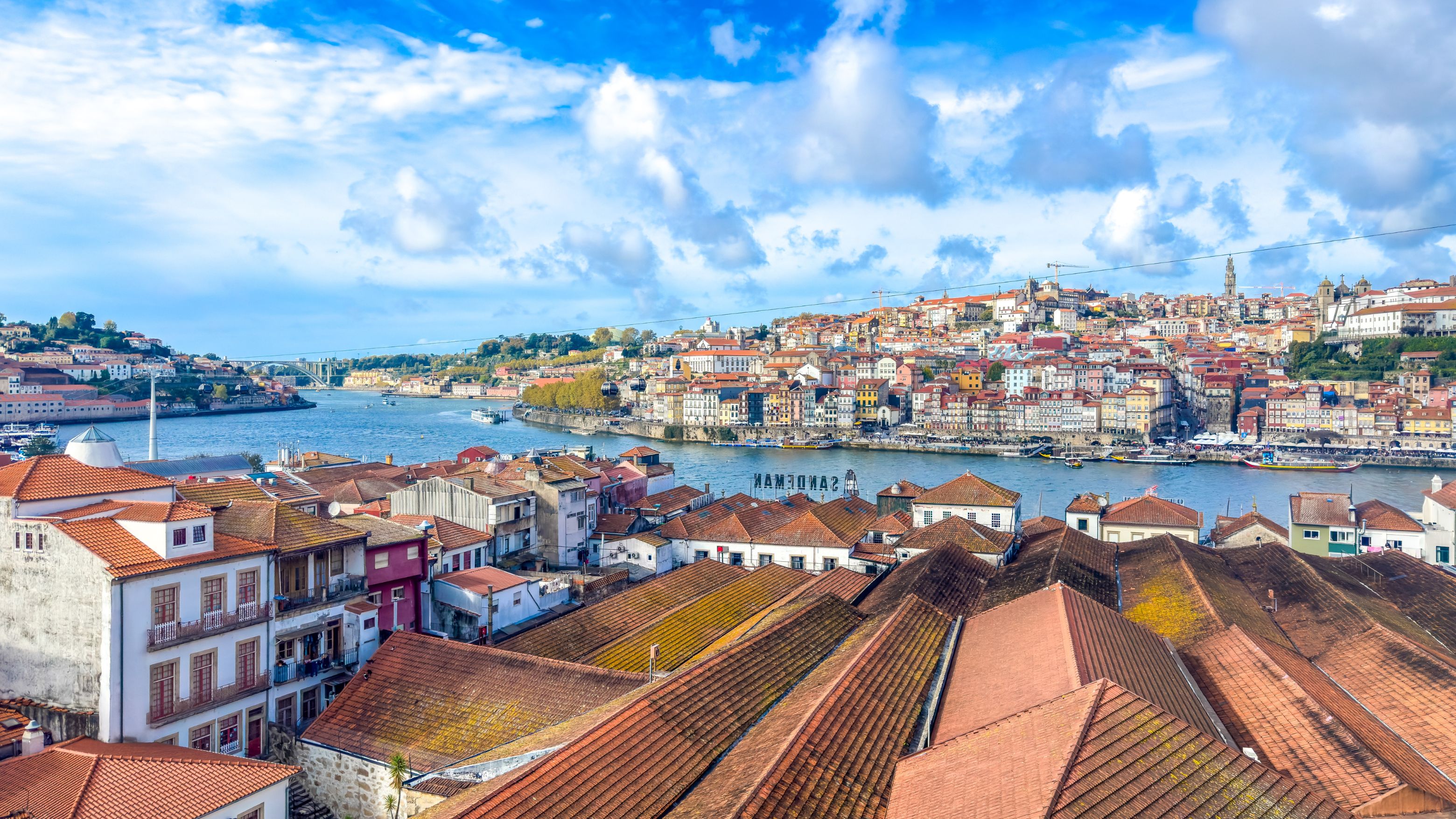
10 Things to Know Before Moving to Portugal


Summary: If you're planning a move to Portugal, here are 10 things expats living there wish they had known before moving to Portugal.
Are you considering a move to Portugal? This sun-kissed nation on the Iberian Peninsula offers a blend of historic charm, modern amenities, and a laid-back lifestyle that has captivated many expats. Before you pack your bags, here are ten essential things to know about living in Portugal.
1. Understand the residency Permit Requirements
Portugal offers several residency permit options for expats. One of the most popular is the Golden Visa program, which grants residency to those who invest in the country, such as buying property worth at least €500,000. Another option is the D7 visa, designed for those who wish to live in Portugal and have a reasonable passive income. Each type of permit has its specific requirements and benefits, so it's crucial to research and understand which one suits your situation best.
2. Learn the language Basics
While many Portuguese people speak English, particularly in urban areas and tourist spots, learning the basics of the Portuguese language can significantly enhance your experience. It will help you integrate into local communities, navigate bureaucracy, and appreciate the culture more deeply. Consider taking language classes before or upon arrival to ease your transition into Portuguese life.
3. Explore the Cost of Living
Portugal is known for its affordable compared to other Western European countries. However, prices can vary significantly between regions. Lisbon, for instance, is more expensive than smaller cities and rural areas. On average, a single person can live comfortably on around €700 to €1,000 per month outside of major cities. Rent is often the most significant expense, with a one-bedroom apartment in Lisbon's city center costing around €800, compared to €400 in smaller cities like Braga or Évora.
4. Embrace the Pace of Life
Portugal is famous for its relaxed pace of life. Lunches can be leisurely affairs, and afternoon naps are not uncommon, especially in the heat of summer. This slower rhythm can be a delightful change, but it may take some adjustment if you're coming from a fast-paced environment. Be prepared to enjoy longer meals, later dinners, and a more laid-back approach to daily routines.
5. Navigate the Bureaucracy
Portugal's bureaucracy can be notoriously slow and complex. Expect to spend time dealing with paperwork, whether it's for residency permits, opening a bank account, or registering with local services. Patience and persistence are key. Many expats hire lawyers or relocation specialists to help navigate the bureaucratic maze, which can save time and headaches.
6. Appreciate the Cultural Nuances
Portuguese culture is rich and nuanced, shaped by centuries of history and tradition. Family is central to Portuguese life, and social gatherings often revolve around food and drink. Fado music, with its melancholic tunes, is a unique aspect of the culture, particularly in Lisbon. Be open to these cultural experiences, and you'll find a deeper connection to the country and its people.
7. Discover the Diverse Landscapes
Portugal's geography is incredibly diverse, from the sunny beaches of the Algarve to the rugged mountains of the Serra da Estrela. The Douro Valley, famous for its vineyards and port wine, offers breathtaking landscapes, while the Azores and Madeira islands provide lush, volcanic scenery. Whether you prefer coastal living, urban excitement, or rural tranquility, Portugal has something to offer.
8. Understand the healthcare System
Portugal's healthcare system is generally good, with both public and private options available. The public system, known as the Serviço Nacional de Saúde (SNS), is free for residents but can have long waiting times. Private healthcare is more expensive but offers quicker access to services. Many expats opt for private health insurance to cover these costs. It's essential to research and understand your healthcare options before moving.
9. Explore the Job Market
The job market in Portugal can be challenging, particularly for expats who don't speak the language fluently. However, opportunities exist, especially in sectors like tourism, technology, and education. Lisbon, in particular, has become a hub for startups and digital nomads. Networking and learning Portuguese can significantly improve your chances of finding employment.
10. Embrace the Local Cuisine
Portuguese cuisine is a delight for food lovers. From fresh seafood like sardines and bacalhau (cod) to hearty stews and pastries like pasteis de nata, there's a wealth of culinary experiences to enjoy. Don't miss out on trying local specialties like francesinha (a sandwich from Porto) or cataplana (a seafood stew from the Algarve). Food is a central part of Portuguese culture, and embracing it can enrich your experience as an expat.
Moving to Portugal can be an exciting and rewarding adventure. By understanding these key aspects of life in the country, you'll be better prepared to make the most of your new home. Boa sorte e bem-vindo a Portugal! (Good luck and welcome to Portugal!)
Expats talk about moving to Portugal
"I would come here in the summer before you move. It is over flooded with tourists. I live in Albufeira and travel in the summer. While Albufeira has a reputation as a party town, it is limited to two areas. The quality of life is very high, it empties out quite a bit in the winter but plenty is left open," said one expat living in The Algarve.
"I would recommend Gualtar or Trofa as an area of Braga to live in. It's part of the city, yet doesn't have the "city" feel. It's atmosphere is more "suburban" than anything. The city has everything you need to live a life that you've been accustomed to in the US. Additionally, it's location is spectacular because you have the beach 30 minutes to the west, (awsome) Geres mountains 15 minutes to the east and Spain 40 minutes to the North.... you can't go wrong. :)," wrote a member in Braga.
"The same advice related to a move anywhere. You must be here for some time - a month or two - before you select your home. Walk the many neighborhoods, see what amenities are around you, and work with a local realtor who comes recommended. If you like a quiet, more rural life, there are many villages and towns that meet this need. A good urban life is in Lisboa, and the coast just outside of Lisboa offers access to everything. If you're an EU citizen, everything you do is easier. For Americans, the process of getting a residency is twice as complicated and twice as time consuming, so getting advice from someone who has done/is doing it will help reduce your effort and anxiety," commented one expat who made the move to Cascais and Estoril.
"Rent a small property first do not buy as there are too many hurdles to cover without knowing the Portuguses system. There are also at present unscrupulous estate agencies and unless you know who they are you could be on a hiding to nothing," remarked one expat living in Tomar.
"It is basically an industrial town, so I do not live around Central. 20 minutes to Sao Pedro do Moel, which is a nice village on coast. Gets cold in winter months, amount of rain is okay," said one expat living in Marinha Grande.
"I live in Albufeira. We have a lot of tourists in the summer. There are certain areas I don't frequent because of the tourists. The strip, to a lesser degree Old Town. Go down some of the side streets and eat in restaurants the locals do. The food is great, inexpensive and they will even help you with your Portuguese. There are closures in the winter months but enough stays open that you don't suffer. The beaches are great, instead of going to Marinha where you can spend an hour looking for a parking spot, head to Sao Raphael in Sesmarias by Albufeira. Beautiful beach with a nice restaurant and good parking. I am a 25 minute walk from the beach and west of the strip and old town. Go closer to the beach.... you get more tourists. Come in the summer and spend two weeks, you will get a good feel and see if it is for you. If you come to Albufeira drop me a line and I will give you a tour," wrote a member in Albufeira.
About the Author
 Betsy Burlingame is the Founder and President of Expat Exchange and is one of the Founders of Digital Nomad Exchange. She launched Expat Exchange in 1997 as her Master's thesis project at NYU. Prior to Expat Exchange, Betsy worked at AT&T in International
and Mass Market Marketing. She graduated from Ohio Wesleyan University
with a BA in International Business and German.
Betsy Burlingame is the Founder and President of Expat Exchange and is one of the Founders of Digital Nomad Exchange. She launched Expat Exchange in 1997 as her Master's thesis project at NYU. Prior to Expat Exchange, Betsy worked at AT&T in International
and Mass Market Marketing. She graduated from Ohio Wesleyan University
with a BA in International Business and German.
Some of Betsy's articles include 12 Best Places to Live in Portugal, 7 Best Places to Live in Panama and 12 Things to Know Before Moving to the Dominican Republic. Betsy loves to travel and spend time with her family. Connect with Betsy on LinkedIn.
Additional Information:
- Portugal Guide
- Healthcare & Health Insurance in Portugal
- Members Talk about Healthcare & Health Insurance in Portugal
- Best Places to Live in Portugal
- Real Estate in Portugal
- Guide to Real Estate in Portugal
- Pros & Cons of Living in Portugal
- Cost of Living in Portugal
- 6 Important Tips about Health Insurance for Expats in Portugal
- 5 Best Places to Retire in Portugal
- Pros and Cons of Living in Portugal 2026
- 2026 Guide to Moving to Portugal
- More Advice about Retiring in Portugal