Educational System in Panama

Summary: The one tip that you hear expats living in Panama repeatedly sharing with newcomers is not to buy a home when you first move to Panama. Rent for a few months or longer so that you have time to find the right neighborhood. Give yourself time to ensure that Panama is right for you for the long term. If you've already taken time to do those things and are ready to take the plunge and become a property owner, here are tips about buying a home in Panama.
Moving to Panama with your family comes with several considerations, one of the most important being your children's education. The Panamanian education system offers a mix of public and private schools, each with its unique structure and requirements. Understanding the stages of education, the enrollment process, and the available options will help expats make informed decisions about their children's schooling. This guide provides an overview of the educational system in Panama to assist newcomers in navigating this crucial aspect of settling in.
What are the main stages of education in Panama and what are the names of those stages?
The educational system in Panama is divided into four main stages: Pre-primary Education (Educación Preescolar), Primary Education (Educación Primaria), Secondary Education (Educación Secundaria), and Higher Education (Educación Superior). Each stage has its specific focus and caters to different age groups.
Pre-primary Education (Educación Preescolar)
Pre-primary education in Panama is designed for children aged 3 to 5. This stage focuses on the social, emotional, and cognitive development of young children. It aims to prepare them for primary education by fostering a love for learning and helping them develop essential skills.
Primary Education (Educación Primaria)
Primary education is compulsory and caters to children aged 6 to 12. This stage is divided into six grades and focuses on providing a solid foundation in basic subjects such as mathematics, language arts, social studies, and science. The goal is to equip students with the necessary knowledge and skills to succeed in secondary education.
Secondary Education (Educación Secundaria)
Secondary education is for students aged 13 to 18 and is divided into two cycles: the lower cycle (grades 7 to 9) and the upper cycle (grades 10 to 12). The curriculum becomes more specialized, with students choosing electives based on their interests and future career goals. Successful completion of secondary education leads to a high school diploma (Bachillerato).
Higher Education (Educación Superior)
Higher education in Panama includes universities and technical institutes. Students can pursue undergraduate and postgraduate degrees in various fields. Admission to higher education institutions typically requires a high school diploma and may involve entrance exams or specific academic requirements.
How does a newcomer from a different country enroll their kids in school?
To enroll your children in a Panamanian school, you will need to provide specific documentation, including birth certificates, previous school records, and proof of address. Additionally, you may need to obtain an apostilled copy of your child's school transcripts if they are not in Spanish. The enrollment process varies slightly between public and private schools, so it is advisable to contact the school directly for detailed information.
My children are still learning Spanish, can they enroll in a public school?
Yes, children who are still learning Spanish can enroll in public schools in Panama. Public schools are required to accept all students within their catchment area, regardless of their language proficiency. However, it is essential to note that the instruction language is Spanish, and additional support for non-native speakers may be limited. Some schools may offer language support programs to help students integrate more smoothly.
Are there public bilingual schools? (Where are they and how do international students get admitted?)
Public bilingual schools are available in Panama, primarily in urban areas like Panama City. These schools offer instruction in both Spanish and English, making them an attractive option for international students. Admission to public bilingual schools is based on availability and may require additional documentation. It is recommended to contact the specific school or the Ministry of Education for more information on the admission process.
What types of private schools are common in Panama?
Private schools in Panama come in various forms, including Catholic schools, international schools, and bilingual schools. Catholic schools follow the Panamanian curriculum with a focus on religious education. international schools often follow the curriculum of another country, such as the United States or the United Kingdom, and may offer the International Baccalaureate (IB) program. Bilingual schools provide instruction in both Spanish and English, catering to the needs of both local and international students.
Do expats typically send their children to public or private school? How expensive are Private schools in Panama?
Many expats opt to send their children to private schools due to the language of instruction, curriculum preferences, and the availability of resources. Private schools in Panama can vary significantly in cost, ranging from a few thousand dollars to over $10,000 per year, depending on the school's reputation, location, and the programs offered. It is essential to research and visit schools to find the best fit for your child's educational needs and your budget.
Are you allowed to homeschool while living in Panama?
Homeschooling is not officially recognized or regulated in Panama. While some families choose to homeschool their children, it is essential to understand that this option may not be legally recognized, and there may be implications for your child's future enrollment in local schools or universities. It is recommended to thoroughly research the legalities and potential consequences before deciding to homeschool in Panama.
May kids attend online school instead of a local school while living in Panama?
Yes, children can attend online schools while living in Panama. This option is particularly appealing for families who prefer a specific curriculum, need flexibility, or are concerned about language barriers. However, it is crucial to ensure that the online school is accredited and that the curriculum meets the educational standards and requirements of your home country or future educational plans.
About the Author
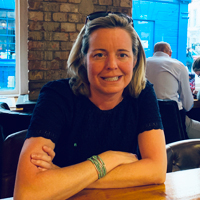 Betsy Burlingame is the Founder and President of Expat Exchange and is one of the Founders of Digital Nomad Exchange. She launched Expat Exchange in 1997 as her Master's thesis project at NYU. Prior to Expat Exchange, Betsy worked at AT&T in International
and Mass Market Marketing. She graduated from Ohio Wesleyan University
with a BA in International Business and German.
Betsy Burlingame is the Founder and President of Expat Exchange and is one of the Founders of Digital Nomad Exchange. She launched Expat Exchange in 1997 as her Master's thesis project at NYU. Prior to Expat Exchange, Betsy worked at AT&T in International
and Mass Market Marketing. She graduated from Ohio Wesleyan University
with a BA in International Business and German.
Some of Betsy's articles include 12 Best Places to Live in Portugal, 7 Best Places to Live in Panama and 12 Things to Know Before Moving to the Dominican Republic. Betsy loves to travel and spend time with her family. Connect with Betsy on LinkedIn.
Additional Information:
- Panama Guide
- Healthcare & Health Insurance in Panama
- Members Talk about Healthcare & Health Insurance in Panama
- Best Places to Live in Panama
- Real Estate in Panama
- Guide to Real Estate in Panama
- Pros & Cons of Living in Panama
- Cost of Living in Panama
- Best Banks in Panama for Expats and Global Nomads
- Healthcare in Panama
- Cost of Living in Panama
- Tips for Expats in Panama
- 2026 Guide to Living in Panama
- Pros and Cons of Living in Panama 2026
- 2026 Guide to Moving to Panama
- More Advice about Retiring in Panama
- Members Talk about the Cost of Living in Panama