

Educational System in South Africa


Summary: The one tip that you hear expats living in South Africa repeatedly sharing with newcomers is not to buy a home when you first move to South Africa. Rent for a few months or longer so that you have time to find the right neighborhood. Give yourself time to ensure that South Africa is right for you for the long term. If you've already taken time to do those things and are ready to take the plunge and become a property owner, here are tips about buying a home in South Africa.
Moving to South Africa can be an exciting adventure, but understanding the educational system is crucial for expats with children. The South African education system is structured to provide a balanced and comprehensive education, catering to diverse needs and backgrounds. This guide will walk you through the main stages of education, enrollment processes, language considerations, and the various types of schools available, helping you make informed decisions for your children's education.
What are the main stages of education in South Africa and what are the names of those stages?
The South African education system is divided into several main stages. These include Early Childhood Development (ECD), Foundation Phase, Intermediate Phase, Senior Phase, and Further Education and Training (FET). Each stage focuses on different aspects of a child's development and education.
Early Childhood Development (ECD)
Early Childhood Development (ECD) caters to children from birth to five years old. This phase focuses on providing a safe and nurturing environment that promotes physical, emotional, social, and cognitive development. ECD centers are not compulsory but are highly recommended to prepare children for formal schooling.
Foundation Phase
The Foundation Phase covers Grades R (Reception) to 3 and is for children aged 5 to 9. This stage focuses on building a strong foundation in literacy, numeracy, and life skills. It is designed to be fun and engaging, encouraging children to develop a love for learning.
Intermediate Phase
The Intermediate Phase includes Grades 4 to 6 and is for children aged 10 to 12. During this phase, the curriculum becomes more structured, with a focus on core subjects such as Mathematics, Languages, Natural Sciences, and Social Sciences. This stage prepares students for the more academically rigorous Senior Phase.
Senior Phase
The Senior Phase encompasses Grades 7 to 9 and is for children aged 13 to 15. This phase introduces a broader range of subjects, including Technology, Economic and Management Sciences, and Arts and Culture. It aims to equip students with the skills and knowledge needed for the FET phase or vocational training.
Further Education and Training (FET)
The Further Education and Training (FET) phase covers Grades 10 to 12 and is for students aged 16 to 18. This stage is designed to prepare students for tertiary education or the job market. The curriculum is more specialized, allowing students to choose subjects based on their career aspirations.
How does a newcomer from a different country enroll their kids in school?
Enrolling your children in a South African school involves several steps. First, you need to have a valid study permit for your child, which can be obtained from the Department of Home Affairs. Next, gather all necessary documents, including your child's birth certificate, passport, previous school reports, and immunization records. Contact the local Department of Education or visit the school directly to complete the enrollment process. Some schools may have specific admission criteria, so it's important to check with each school individually.
My children are still learning Afrikaans, can they enroll in a public school?
Yes, children who are still learning Afrikaans can enroll in public schools. South Africa has 11 official languages, and schools often cater to multilingual environments. English is widely used as the language of instruction in many schools, especially in urban areas. However, it's important to check with individual schools to confirm the language policy and any support they offer for non-native speakers.
Are there public bilingual schools? (Where are they and how do international students get admitted)
Yes, there are public bilingual schools in South Africa, particularly in areas with diverse linguistic communities. These schools typically offer instruction in two of the official languages, such as English and Afrikaans or English and an indigenous language. International students can get admitted by following the standard enrollment process, which includes obtaining a study permit and providing the required documents. It's advisable to contact the schools directly for specific admission criteria and language support programs.
What types of private schools are common in South Africa?
Private schools in South Africa come in various types, catering to different educational philosophies and needs. Common types include independent schools, religious schools (such as Catholic or Jewish schools), international schools, and special needs schools. Independent schools follow their own curriculum but must adhere to national standards. international schools often offer curricula like the International Baccalaureate (IB) or the Cambridge system, making them popular among expats.
Do expats typically send their children to public or private school? How expensive are Private schools in South Africa?
Expats in South Africa often choose private schools for their children due to the perceived higher quality of education, smaller class sizes, and the availability of international curricula. Private schools can be expensive, with fees ranging from R30,000 to over R200,000 per year, depending on the school's reputation and location. Additional costs may include uniforms, textbooks, and extracurricular activities. Public schools are significantly more affordable but may not offer the same level of resources or individual attention.
Are you allowed to homeschool while living in South Africa?
Yes, homeschooling is allowed in South Africa, provided you comply with the regulations set by the Department of Basic Education. Parents must register their intention to homeschool with the provincial education department and submit an annual assessment portfolio. Homeschooling can be a flexible option for expats who prefer a more personalized education for their children.
May kids attend online school instead of a local school while living in South Africa?
Yes, children can attend online schools while living in South Africa. Online education is becoming increasingly popular and offers a range of curricula and programs. It's important to ensure that the online school is accredited and recognized by educational authorities. Additionally, you may need to inform the local education department about your choice to enroll your child in an online school to comply with legal requirements.
About the Author
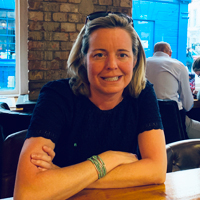 Betsy Burlingame is the Founder and President of Expat Exchange and is one of the Founders of Digital Nomad Exchange. She launched Expat Exchange in 1997 as her Master's thesis project at NYU. Prior to Expat Exchange, Betsy worked at AT&T in International
and Mass Market Marketing. She graduated from Ohio Wesleyan University
with a BA in International Business and German.
Betsy Burlingame is the Founder and President of Expat Exchange and is one of the Founders of Digital Nomad Exchange. She launched Expat Exchange in 1997 as her Master's thesis project at NYU. Prior to Expat Exchange, Betsy worked at AT&T in International
and Mass Market Marketing. She graduated from Ohio Wesleyan University
with a BA in International Business and German.
Some of Betsy's articles include 12 Best Places to Live in Portugal, 7 Best Places to Live in Panama and 12 Things to Know Before Moving to the Dominican Republic. Betsy loves to travel and spend time with her family. Connect with Betsy on LinkedIn.
Additional Information:
- South Africa Guide
- Healthcare & Health Insurance in South Africa
- Members Talk about Healthcare & Health Insurance in South Africa
- Best Places to Live in South Africa
- Real Estate in South Africa
- Guide to Real Estate in South Africa
- Pros & Cons of Living in South Africa
- Cost of Living in South Africa
- Homeschooling in South Africa
- How to Enroll Your Children in School in South Africa
- Educational System in South Africa
- 10 Things to Know Before Moving to South Africa
- 2026 Guide to Living in South Africa
- Pros and Cons of Living in South Africa 2026