Venezuela
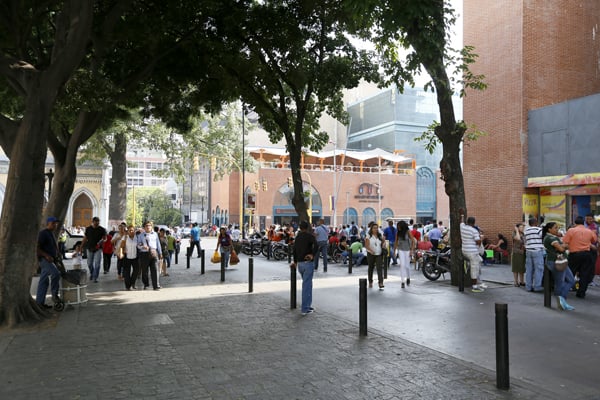
Coastal BeachesVenezuela is located on the northern coast of South America, bordered by Colombia and Brazil, with a Caribbean coastline. The country is known for its vast natural resources, including the world's largest proven oil reserves, though economic challenges have significantly impacted daily life in recent years. The culture blends indigenous, African, and Spanish influences, reflected in music, food, and traditions like baseball and carnival celebrations. Venezuela features diverse landscapes ranging from Caribbean beaches to the Andes mountains and Amazon rainforest. The country has experienced severe economic and political instability since the mid-2010s, leading to widespread shortages and emigration. Despite these challenges, Venezuela remains culturally rich with a vibrant heritage and warm, welcoming people.
 PassportCard Expat Health Insurance
Get Quote
Never worry about paying your medical bills out of pocket again. The innovative PassportCard allows for a stress-free experience for all expat families, remote travelers, and workers. With a 24/7 customer service and an outstanding customer base of over 2 Million clients, it will feel like medical care at home. Get up to 10% off on your policy now.
PassportCard Expat Health InsuranceNever worry about paying your medical bills out of pocket again. The innovative PassportCard allows for a stress-free experience for all expat families, remote travelers, and workers. With a 24/7 customer service and an outstanding customer base of over 2 Million clients, it will feel like medical care at home. Get up to 10% off on your policy now.
Get Quote
Podcasts

Episode 6: Jake Barber - Expat Finance Expert and Lifelong Expat



Episode 8: Jake Barber - The Expat Finance Expert Returns
Living in Venezuela
Visa & Residency
Obtaining a residency in Venezuela involves several steps and can be considered an average challenge compared to other countries. The most common types of visas that expats apply for are the Rentista Visa, Professional Visa, and Investor Visa. The Rentista Visa is designed for individuals who have a fixed income from abroad, such as retirees or those who can prove they have sufficient funds to support themselves without working in Venezuela. The Professional Visa is for those who have a professional degree and have a job offer or contract in Venezuela. The Investor Visa is for individuals who plan to invest a significant amount of money in a Venezuelan business or enterprise. The process typically starts with the applicant gathering the necessary documents, which often include a valid passport, proof of income or investment, a health certificate, a police record, and photos. These documents may need to be apostilled or legalized depending on the applicant's home country. After the documents are prepared, the applicant must submit them to the Venezuelan consulate or embassy in their home country. Once the initial application is approved, the applicant will receive a visa that allows them to enter Venezuela. Upon arrival, they must register with the local authorities and may need to undergo additional health checks or provide further documentation. The Rentista Visa is usually granted for one year and can be renewed annually as long as the conditions of the visa are still met. The difficulty of the process can vary based on the applicant's nationality, the completeness of their application, and the current political and economic situation in Venezuela. It is advisable for potential expats to consult with immigration experts or legal professionals who specialize in Venezuelan immigration law to navigate the process more effectively. Additionally, the political climate and economic instability in recent years have made the process more unpredictable, and it is important to stay informed about any changes to immigration policies.
Healthcare in Venezuela
The system in Venezuela has been facing significant challenges, particularly since the economic crisis that began in 2010. The public healthcare system, which is supposed to provide free medical services to citizens, has been plagued by shortages of medical supplies, equipment, and medications, as well as a lack of maintenance of hospital infrastructure. Many healthcare professionals have emigrated due to low wages and difficult working conditions, leading to a shortage of qualified staff. Private healthcare is available and generally offers better services than public hospitals, but it is expensive and not affordable for a large portion of the population. The quality of private healthcare varies, with some private institutions providing high-quality care comparable to international standards, while others may not. The cost of private healthcare is high, and without insurance, it can be prohibitively expensive for both residents and expatriates. Expats and digital nomads can gain access to public healthcare by obtaining a residence permit and contributing to the social security system, but many opt for private health insurance to ensure access to better healthcare services.
Cost of Living
The cost of living in Venezuela is extremely low in nominal terms due to currency devaluation and economic collapse, but this reflects severe shortages and limited availability of goods rather than affordability. Housing costs vary dramatically by region; rental prices in Caracas range from very cheap to moderate depending on neighborhood safety and amenities, but property ownership and transactions are complicated by political instability. Daily essentials like food, utilities, and transportation are nominally inexpensive but often unavailable or require significant effort to obtain, making practical living costs unpredictable and challenging.
Weather
Venezuela has a tropical climate with warm temperatures year-round, typically ranging from 70-90°F (21-32°C) depending on elevation and location. The country experiences a rainy season from May to November and a drier season from December to April. Coastal and lowland areas are consistently hot and humid, while mountainous regions offer cooler temperatures. The Caribbean coast can be affected by tropical storms and hurricanes during the Atlantic hurricane season.
Educational System in Venezuela
The educational system in Venezuela is structured into several levels, starting with pre-school education, which is not mandatory and typically serves children from ages 3 to 5. The compulsory education begins with primary education, which lasts for six years, usually for children aged 6 to 12. Following primary education, students enter secondary education, which is divided into two cycles: the first cycle is general basic secondary education lasting two years, and the second cycle is diversified, which can last two or three years depending on the chosen branch of study. Students graduate from secondary education with a Bachelor's degree, which qualifies them for university admission. The Venezuelan educational system has faced challenges including underfunding and political influence, but there are also private schools that offer alternative education options with potentially higher quality standards. The school year typically runs from September to July, and the curriculum includes subjects like mathematics, science, social studies, arts, and physical education. Spanish is the language of instruction, but there are also opportunities to learn English and other foreign languages.
Living in Venezuela
Moving to Venezuela