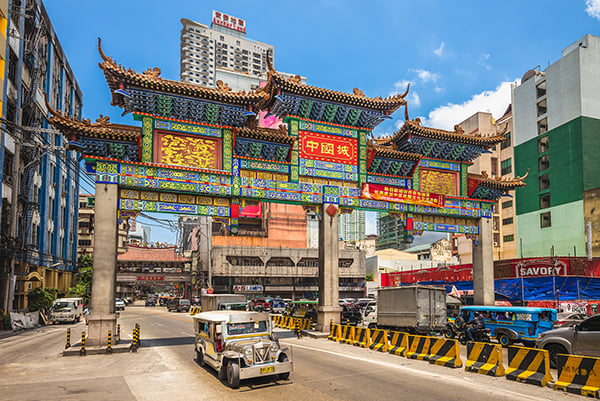
Manila
Urban Coastal Beaches RiverfrontManila is the capital and largest city of the Philippines, serving as the country's political, economic, and cultural center. Located on the island of Luzon, Manila is one of the most densely populated cities in the world, characterized by a vibrant mix of colonial architecture, modern skyscrapers, and bustling street life. The city is divided into several districts, each with its own character—from the historic Intramuros with its Spanish colonial walls and churches, to the commercial districts of Makati and Bonifacio Global City with their contemporary high-rises. Manila's waterfront along Manila Bay offers scenic views, though the bay itself faces environmental challenges. The city is a major hub for commerce, education, and transportation in Southeast Asia, with numerous universities, hospitals, shopping centers, and entertainment venues. Street food culture is integral to Manila's identity, with vendors selling everything from balut to lumpia throughout the city. Despite its challenges with traffic congestion and air pollution, Manila remains a dynamic metropolis that blends tradition with modernity, attracting millions of residents and visitors annually.
 SJB Global
Connect
SJB-Global is a top-rated financial advisory firm specializing in expat financial advice worldwide, offering retirement planning & tax-efficient solutions with a regressive fee model. Our clients benefit from their country’s most favorable tax environment by utilizing the efficient investment vehicles we offer. Our commitment to quality service is reflected in our stellar reviews, with over 300 testimonials boasting 95% five-star ratings.
Click connect to have our partner contact you via e-mail and/or phone.
SJB GlobalSJB-Global is a top-rated financial advisory firm specializing in expat financial advice worldwide, offering retirement planning & tax-efficient solutions with a regressive fee model. Our clients benefit from their country’s most favorable tax environment by utilizing the efficient investment vehicles we offer. Our commitment to quality service is reflected in our stellar reviews, with over 300 testimonials boasting 95% five-star ratings.
Connect
Click connect to have our partner contact you via e-mail and/or phone.
Visa & Residency
The process of obtaining a residency in the Philippines varies depending on the type of visa applied for. The Special Resident Retiree's Visa (SRRV) is a popular option for expatriates and retirees. To qualify for the SRRV, applicants must meet certain age and deposit requirements, which vary depending on the chosen SRRV option. For instance, the SRRV Smile requires a deposit of $20,000 in a Philippine bank for applicants 35 years old and above. The SRRV Classic, on the other hand, requires a deposit of $10,000 for those 50 years old and above with a pension, or $20,000 without a pension. This visa grants indefinite stay with multiple-entry privileges as long as the deposit is maintained. Another common visa for expatriates working in the Philippines is the 9(g) Pre-arranged Employment Visa, which is tied to an offer of employment from a Philippine-based company. The process involves securing an Alien Employment Permit, a No Objection Certificate, and other clearances before the visa application can be filed with the Bureau of Immigration. The 9(g) visa is typically valid for one to three years and is extendable as long as the employment persists. The application process for residency visas in the Philippines can be average in terms of difficulty. It involves gathering various documents, such as police clearances, medical certificates, and proof of financial capacity. The applicant must also attend a hearing and interview at the Bureau of Immigration. The processing time can vary, and it is advisable to seek assistance from a legal professional or a visa agent to navigate the complexities of the process. Overall, while there are several steps involved, the Philippines offers a range of visa options to suit different needs, and with proper guidance, obtaining a residency visa can be a manageable task.
Cost of Living
The cost of living in Manila is moderate compared to other major Asian cities, though it varies significantly by district and lifestyle. Makati and Bonifacio Global City tend to be more expensive due to their modern amenities and business district status, while other areas offer more affordable options. Local food and transportation are relatively inexpensive, making it accessible for many residents.
Weather
Manila has a tropical climate with a hot and humid atmosphere year-round, characterized by a dry season from November to April and a wet monsoon season from May to October.
Healthcare in Manila
Manila has several well-equipped private hospitals and medical facilities, particularly in business districts like Makati and BGC, offering modern healthcare services comparable to international standards. Public hospitals exist but are often overcrowded, while private institutions provide better amenities and shorter wait times. Healthcare quality is generally adequate for expats, though serious cases may require travel to specialized centers.
Schools in Manila
Manila has several established international schools including De La Salle University-Integrated School, Ateneo de Manila University School of the Holy Spirit, and British School Manila, offering curricula such as IB, American, and British programs. These schools serve the expatriate and affluent local communities with modern facilities and English-medium instruction.
Manila offers bilingual schools that combine English and Filipino (Tagalog) instruction, as well as schools teaching English alongside other languages such as Mandarin or Spanish. Many private institutions integrate bilingual education to prepare students for both local and international contexts.
Restaurants in Manila
Living in Manila
Best Places to Live in Manila
Moving to Manila
Healthcare in Manila