
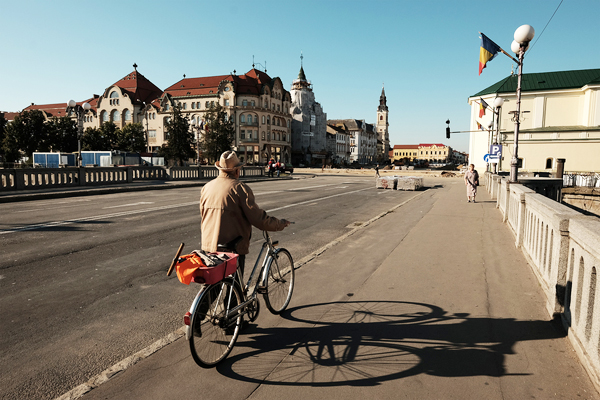
Living in Romania
Last updated on Mar 18, 2025
Summary: People often describe life in Romania as vibrant and full of culture. Expats love the friendly people, the beautiful landscapes, the delicious food, and the low cost of living. The average cost of living for an expat is around $1,000 per month, depending on lifestyle and location. The population of Romania is approximately 19.5 million people, and the largest cities are Bucharest (the capital), Cluj-Napoca, Timisoara, Iasi, and Constanta. The cons of living in Romania include the lack of job opportunities, the slow bureaucracy, and the language barrier. Additionally, the infrastructure is not as developed as in other European countries, and the healthcare system is not as advanced.


What do I need to know about living in Romania?
When we asked people what advice they would give someone preparing to move to Romania, they said:
"Expect bureaucracy at every turn! Romanians love to make themselves feel important by holding their ink stamps and having you come back for something 5 times, mostly because they're just too lazy to get off their rears and do their jobs. It's never their fault, it's yours and you're disturbing them that you should even expect them to do something faster than 3 months time. Be prepared to have your patience pressed to its limits, and then some," remarked one expat living in Iasi, Romania.
"1. Expats should research the cost of living in Romania to ensure they can afford to retire there. 2. It is important to understand the local language, as English is not widely spoken in Romania. 3. Expats should familiarize themselves with the healthcare system in Romania, as well as the availability of medical insurance. 4. Expats should research the visa requirements for Romania, as well as any other necessary paperwork for retirement. 5. Expats should also research the local culture and customs to ensure they are prepared for life in Romania. 6. It is important to understand the tax system in Romania, as well as any other financial regulations that may apply to expats," wrote one member in Romania.
"I would advise against it. I like to travel all over Romania, it is a beautiful country. Iasi, however, is like being in a totally different country from the rest of Romania. It's a very dirty city, very poor, with very little to offer in the form of entertainment. Absolutely nothing here for families. I would suggest Cluj-Napoca, Timisoara or Bucuresti," remarked one expat who made the move to Iasi.
 AGS Worldwide Movers
Get Quote
Relocating abroad soon? Make your move with AGS! AGS Worldwide Movers is a leader in the international moving industry. Our experience and expertise allows us to guarantee our clients the best quality moving services.
AGS Worldwide MoversRelocating abroad soon? Make your move with AGS! AGS Worldwide Movers is a leader in the international moving industry. Our experience and expertise allows us to guarantee our clients the best quality moving services.
Get Quote
How do I meet people in Romania?
When we asked people living in Romania about club and activities where newcomers can meet others, they responded:
"There's the American corner, though I've never visited it. Social networking sites can be a great resource also, you'll find many curious Romanians that will seek you out if you're friendly and intelligent," commented one expat who made the move to Iasi.
"There are no clubs or anything. It's very hard here to meet Expats and even Romanians. I am alone all day. Some tourists come to Mamaia in Summer but it's so run down, only some Romanians from Bucharest are visiting," remarked one expat living in Constanta, Romania.
"To be honest the ex-pat community in Constanta are not very obvious. I know a couple of people who I have net through work but otherwise there doesn't seem to be nay organised meetings. My company does provide some information on groups and meetings but they are all for Bucharest. The ex-pat support for Constanta has been negligible," wrote one member in Constanta.

Relocating abroad soon? Make your move with AGS! AGS Worldwide Movers is a leader in the international moving industry. Our experience and expertise allows us to guarantee our clients the best quality moving services.
Relocating abroad soon? Make your move with AGS! AGS Worldwide Movers is a leader in the international moving industry. Our experience and expertise allows us to guarantee our clients the best quality moving services.
What is life like in Romania?
When we asked people living in Romania what life is like and how people spend their time, they said:
"Iasi is a very poor city, the average Romanian in Iasi works 10-12 hour shifts, 6 days a week. When they're not working, Romanians in Iasi tend to be "homebodies" and spend their little free time at home, with family and friends," commented one expat who made the move to Iasi.
"A lot of people are focused on work, and construction/renovation of houses in and around the city," remarked one expat living in Iasi, Romania.
"Yes work they have to make a living. I see them walking in the park on weekends. Not much to do here," wrote one member in Constanta.
"Romanian values are based on family. They like to party and are warm people. Of course, like everywhere, you sometimes have to be careful : being an expat you must "choose" your true friends," remarked one expat who made the move to Brasov.
Relocating abroad soon? Make your move with AGS! AGS Worldwide Movers is a leader in the international moving industry. Our experience and expertise allows us to guarantee our clients the best quality moving services.
Relocating abroad soon? Make your move with AGS! AGS Worldwide Movers is a leader in the international moving industry. Our experience and expertise allows us to guarantee our clients the best quality moving services.
Is there a lot of crime in Romania?
We asked people if there is a lot of crime. They answered:
"Crime is a problem in Romania, with reports of theft, pickpocketing, and other forms of property crime occurring in major cities. Violent crime is also a concern, with reports of assaults, robberies, and other violent incidents occurring in some areas. Organized crime is also a problem in Romania, with reports of drug trafficking, human trafficking, and other criminal activities," remarked one expat who made the move to Romania.
Is there a lot of diversity? Are people in Romania accepting of differences?
"IMO people are pretty intolerant of gypsies, non-white races, and those that are not orthodox Christian. I've been scoffed at more times than I can remember when someone discovers I'm not Orthodox and don't follow their "rules"," remarked one expat living in Iasi, Romania.
"Yes, Romania is a culturally diverse country. It is home to a variety of ethnic groups, including Romanians, Hungarians, Roma, Ukrainians, Germans, and Turks. People in Romania are generally accepting of differences and strive to create a tolerant and inclusive society," wrote one member in Romania.
"It's mainly Orthodox, but Romanians have open mind about religion. There are a lot of Catholics too. Brasov, by its history, have a lot of German influence," remarked one expat who made the move to Brasov.
AGS Worldwide MoversGet Quote
Relocating abroad soon? Make your move with AGS! AGS Worldwide Movers is a leader in the international moving industry. Our experience and expertise allows us to guarantee our clients the best quality moving services.
AGS Worldwide MoversRelocating abroad soon? Make your move with AGS! AGS Worldwide Movers is a leader in the international moving industry. Our experience and expertise allows us to guarantee our clients the best quality moving services.
Get Quote
What are the schools in Romania like?
"Make an appointment and take the whole family along - the children will give you feedback about their views. Have questions ready in advance and ask lots of them. The school has a policy of honesty so do not expect 'soft' answers adapted to your own circumstances. The school knows what it does and does it well," remarked one expat living in Bucharest with children attending International School for Primary Education.
"The British School of Bucharest is one of the best international schools in Romania. It is a co-educational school offering the National Curriculum of England and Wales, as well as the International Baccalaureate Diploma Programme. The school has a strong focus on academic excellence, with a wide range of extra-curricular activities and a strong emphasis on developing the whole child. The International School of Bucharest is another excellent international school in Romania. It is a co-educational school offering the International Baccalaureate Diploma Programme, as well as the International Primary Curriculum. The school has a strong focus on developing the whole child, with a wide range of extra-curricular activities and a strong emphasis on developing the whole child. The American International School of Bucharest is a bilingual school in Romania offering an American-style curriculum. The school has a strong focus on academic excellence, with a wide range of extra-curricular activities and a strong emphasis on developing the whole child. The International School of Cluj-Napoca is a bilingual school in Romania offering the International Baccalaureate Diploma Programme, as well as the International Primary Curriculum. The school has a strong focus on developing the whole child, with a wide range of extra-curricular activities and a strong emphasis on developing the whole child," said one expat in with children at .
Is the cost of living in Romania high?
We asked people how much they someone comfortably live on in Romania, they wrote:
"The cost of living in Romania is generally considered to be quite affordable. Groceries, transportation, and utilities are all relatively inexpensive compared to other European countries. Eating out can also be quite affordable, with a meal at a mid-range restaurant costing around 10-15 euros. Rent prices vary depending on the city and the size of the apartment, but generally range from 200-400 euros per month," wrote one member in Romania.
"The cost of living in Romania is generally considered to be quite affordable. The capital city of Bucharest is the most expensive place to live in the country, with prices for goods and services being higher than in other parts of Romania. The rental price for a nice 1 bedroom apartment in Romania is around $400 USD per month, while a nice 2 bedroom apartment is around $600 USD per month. Eating dinner at a moderately priced restaurant in Romania will cost around $10 USD per person," said an expat in Romania.
What type of recreational facilities are in Romania?
When we asked people living in Romania about recreational activities, they mentioned:
"In Romania, residents enjoy a variety of recreational facilities, such as parks, beaches, and outdoor sports facilities. Parks are a popular destination for locals, offering a variety of activities such as walking, jogging, and picnicking. Beaches are also a popular destination, with many offering swimming, sunbathing, and other beach activities. Outdoor sports facilities are also available, such as tennis courts, soccer fields, and basketball courts. Additionally, Romania has a number of indoor recreational facilities, such as bowling alleys, movie theaters, and arcades," said one expat.
What is the weather like in Romania?
"The weather in Romania is generally mild, with warm summers and cold winters. Rainfall is common throughout the year, with the most precipitation occurring in the mountains. Snowfall is also common in the winter months, especially in the higher elevations. The climate in Romania is generally humid, with temperatures ranging from cool to hot depending on the season," said an expat in Romania.
Are there good restaurants in Romania?
"One of Romania's most beloved restaurants is Caru' cu Bere, located in Bucharest. This traditional restaurant has been serving up delicious Romanian cuisine since 1879, and is known for its unique atmosphere and live music. The menu features a variety of traditional dishes, such as sarmale (stuffed cabbage rolls), ciorba (sour soup), and mamaliga (cornmeal porridge). Another popular restaurant in Romania is La Mama, located in Cluj-Napoca. This restaurant serves up a variety of traditional Romanian dishes, such as sarmale, ciorba, and mamaliga, as well as a selection of international dishes. The atmosphere is cozy and inviting, and the restaurant is known for its friendly staff and excellent service. Finally, La Placinte is a popular restaurant in Bucharest that specializes in traditional Romanian cuisine. The menu features a variety of dishes, such as sarmale, ciorba, and mamaliga, as well as a selection of international dishes. The atmosphere is cozy and inviting, and the restaurant is known for its friendly staff and excellent service," commented one expat living in Romania.
Where will I buy groceries and do other shopping in Romania?
"People living in Romania typically buy groceries from supermarkets, local markets, and convenience stores. Other shopping can be done at malls, department stores, and specialty shops. Online shopping is also becoming increasingly popular in Romania," commented one expat who moved to Romania.
What are the visa & residency requirements in Romania?
"In order to visit Romania, foreign nationals must obtain a visa prior to their arrival. The process of applying for a visa involves submitting an application form, a valid passport, a passport-sized photograph, and any other documents required by the Romanian Embassy or Consulate. In order to obtain residency in Romania, foreign nationals must submit an application to the Romanian Immigration Office. The application must include a valid passport, a passport-sized photograph, proof of financial means, proof of accommodation, and any other documents required by the Immigration Office. Once the application is approved, the foreign national will be issued a residence permit, which must be renewed every year," said one expat living in Romania.
Are healthcare and health insurance expensive in Romania?
"Healthcare and health insurance in Romania can be expensive, depending on the type of coverage and services needed. Generally, public healthcare is free for Romanian citizens, but the quality of care can be lower than that of private healthcare. Private health insurance can be expensive, but it can provide access to higher quality care and more specialized services. Additionally, some employers may offer health insurance plans to their employees, which can help to reduce the cost of healthcare," remarked one expat in Romania.
Relocating abroad soon? Make your move with AGS! AGS Worldwide Movers is a leader in the international moving industry. Our experience and expertise allows us to guarantee our clients the best quality moving services.
Relocating abroad soon? Make your move with AGS! AGS Worldwide Movers is a leader in the international moving industry. Our experience and expertise allows us to guarantee our clients the best quality moving services.
About the Author
 Joshua Wood, LPC joined Expat Exchange in 2000 and serves as one of its Co-Presidents. He is also one of the Founders of Digital Nomad Exchange. Prior to Expat Exchange, Joshua worked for NBC Cable (MSNBC and CNBC
Primetime). Joshua has a BA from Syracuse and a Master's in Clinical and Counseling Psychology from Fairleigh Dickinson University. Mr. Wood is also a licensed counselor and psychotherapist.
Joshua Wood, LPC joined Expat Exchange in 2000 and serves as one of its Co-Presidents. He is also one of the Founders of Digital Nomad Exchange. Prior to Expat Exchange, Joshua worked for NBC Cable (MSNBC and CNBC
Primetime). Joshua has a BA from Syracuse and a Master's in Clinical and Counseling Psychology from Fairleigh Dickinson University. Mr. Wood is also a licensed counselor and psychotherapist.
Some of Joshua's articles include Pros and Cons of Living in Portugal, 10 Best Places to Live in Ireland and Pros and Cons of Living in Uruguay. Connect with Joshua on LinkedIn.
Additional Information:
- Romania Guide
- Healthcare & Health Insurance in Romania
- Members Talk about Healthcare & Health Insurance in Romania
- Best Places to Live in Romania
- Guide to Real Estate in Romania
- Pros & Cons of Living in Romania
- Cost of Living in Romania
- Guide to Residency in Romania
- 10 Things to Know Before Moving to Romania
- 10 Important Tips about Healthcare for Expats in Romania
- 10 Tips for Living in Romania
- 2026 Guide to Living in Romania
- Pros and Cons of Living in Romania 2026
- 2026 Guide to Moving to Romania