Italy
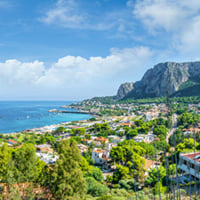
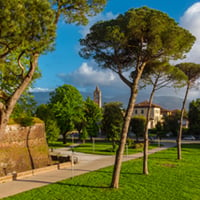
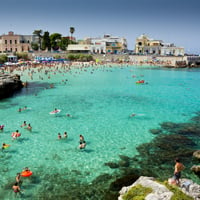
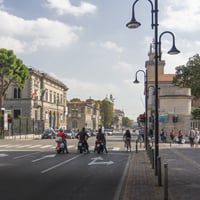
Coastal BeachesItaly is a Southern European country located on the Mediterranean peninsula, known for its rich history, art, and culture spanning thousands of years. The country features diverse geography including the Alps in the north, the Apennine Mountains running down its spine, and extensive coastlines along the Mediterranean and Adriatic seas. Italy's economy is the eighth-largest in the world, with strong sectors in fashion, automotive, food production, and tourism. Italian culture emphasizes family, cuisine, and lifestyle, with a relaxed pace of life in many regions outside major cities. The country offers a blend of modern urban centers like Milan and Rome with charming smaller towns and villages. Life in Italy is characterized by strong social connections, excellent food culture, and access to world-class art and historical sites.
SJB GlobalConnect
SJB-Global is a top-rated financial advisory firm specializing in expat financial advice worldwide, offering retirement planning & tax-efficient solutions with a regressive fee model. Our clients benefit from their country’s most favorable tax environment by utilizing the efficient investment vehicles we offer. Our commitment to quality service is reflected in our stellar reviews, with over 300 testimonials boasting 95% five-star ratings.
Click connect to have our partner contact you via e-mail and/or phone.
SJB GlobalSJB-Global is a top-rated financial advisory firm specializing in expat financial advice worldwide, offering retirement planning & tax-efficient solutions with a regressive fee model. Our clients benefit from their country’s most favorable tax environment by utilizing the efficient investment vehicles we offer. Our commitment to quality service is reflected in our stellar reviews, with over 300 testimonials boasting 95% five-star ratings.
Connect
Click connect to have our partner contact you via e-mail and/or phone.
Podcasts
Episode 8: Jake Barber - The Expat Finance Expert Returns
Episode 6: Jake Barber - Expat Finance Expert and Lifelong Expat
Living in Italy
Best Places to Live in Italy
Visa & Residency
Obtaining a residency in Italy involves several steps and the process can vary depending on the type of visa you are applying for. The most common types of visas for expats include the Elective Residence Visa and the Work Visa. The Elective Residence Visa is designed for individuals who can prove they have a high, steady income from sources outside of Italy and do not need to work in the country. Applicants must show they have sufficient funds to support themselves, a place to live, and comprehensive health insurance. This visa is valid for one year and can be renewed. The Work Visa is for those who have secured a job in Italy before entering the country. The employer must apply for a work permit on behalf of the employee, which is subject to quotas. Once the work permit is granted, the employee can apply for the visa. This process can be quite competitive and time-consuming due to the quota system. Other visas include the Student Visa and Family Reunification Visa. The process generally involves gathering the required documentation, such as a valid passport, proof of financial means, accommodation, and health insurance, and submitting an application to the Italian consulate or embassy in your home country. An appointment is usually required, and you may need to attend an interview. The difficulty of the process can vary; it is often described as average, but it can be challenging due to the bureaucracy and strict requirements. It is advisable to start the application process well in advance of your intended move date and to seek assistance from professionals if necessary. Once in Italy, you will need to apply for a residence permit (permesso di soggiorno) within eight days of arrival to stay legally. This additional step involves going to the local post office or police station (Questura) to submit the necessary paperwork. Overall, while the process can be bureaucratic and requires careful preparation, it is manageable with the right planning and support.
Healthcare in Italy
The healthcare system in Italy is a regionally based national health service known as Servizio Sanitario Nazionale (SSN) that provides universal coverage, largely free of charge at the point of service. Public healthcare is funded by a combination of national and regional taxes. Private healthcare is also available and is often used as a complement to public services, offering faster access to treatment and more luxurious facilities. The quality of healthcare in Italy is generally high, with a good ratio of doctors to patients and modern facilities, although there can be regional disparities with the north typically better served than the south. Expats and digital nomads who are residents in Italy and make social security contributions can access public healthcare. Those with a European health insurance Card (EHIC) can use it during temporary visits. Non-EU nationals may need private insurance to cover their healthcare needs until they are registered with the SSN.
Cost of Living
Italy's cost of living varies significantly by region, with major cities like Milan, Rome, and Florence being considerably more expensive than smaller towns and southern regions. Rent for a one-bedroom apartment in city centers ranges from €600-1,200 monthly, while outside city centers it drops to €400-700. Property purchase prices in major cities average €5,000-8,000 per square meter, though rural areas are substantially cheaper. Daily expenses including food, transportation, and utilities are moderate compared to Northern Europe, making Italy relatively affordable for those avoiding major tourist centers.
Weather
Italy experiences a Mediterranean climate in the south and coastal areas, with hot, dry summers and mild, wet winters. Northern regions have more continental weather patterns with cooler winters and moderate summers. Seasonal variation is significant, with summer temperatures often exceeding 30°C (86°F) in the south and winter temperatures dropping to 0-5°C (32-41°F) in the north. Spring and autumn are generally pleasant with moderate temperatures and lower rainfall.
Educational System in Italy
The educational system in Italy is known for its structure that emphasizes both academic and vocational training. Education is compulsory from the age of 6 to 16, covering primary and lower secondary education. The system is divided into five main stages: Scuola dell'infanzia (pre-school), Scuola primaria (primary school), Scuola secondaria di primo grado (lower secondary school), Scuola secondaria di secondo grado (upper secondary school), and higher education. Primary school lasts five years, and upon completion, students receive a diploma di licenza. Lower secondary school, also known as middle school, lasts three years, culminating in the diploma di licenza media. Upper secondary school offers various types of programs, including classical, scientific, and vocational, lasting five years and leading to the Maturità, which is required for university admission. The Italian education system is known for its historic and well-established institutions, with a strong emphasis on the humanities and sciences. The quality of education is generally high, with a focus on critical thinking and creativity. Children typically start school at age 6 and graduate at age 19 if they follow the traditional path without repeating any years.