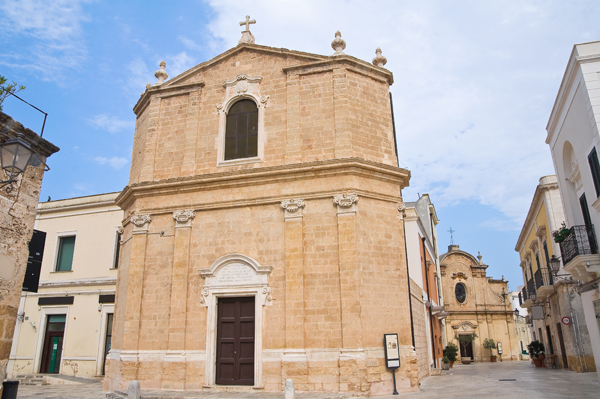
How to Buy a Home in Italy


Summary: Real Estate Italy, Homes for Sale in Italy The one tip that you hear expats living in Italy repeatedly sharing with newcomers is not to buy a home when you first move to Italy. Rent for a few months or longer so that you have time to find the right neighborhood. Give yourself time to ensure that Italy is right for you for the long term. If you've already taken time to do those things and are ready to take the plunge and become a property owner, here are tips about buying a home in Italy. Seasoned expatriates recommend a cautious approach to newcomers eager to settle down�avoid the rush to purchase property upon arrival. Instead, consider the benefits of renting in Italy during your initial months. This strategy allows you the flexibility to explore various neighborhoods and truly decide if the local lifestyle aligns with your long-term expectations. Once you've acclimated and are certain that Italy is your future home, here are tips on how to buy a home in Italy.
Buying a home in Italy can be an exciting journey, offering a chance to immerse yourself in the country's rich history, culture, and stunning landscapes. However, the process can be complex, especially for expats. This guide will walk you through the key aspects of purchasing a property in Italy, providing essential information to help you navigate the process smoothly.
How do I find houses for sale in Italy?
Finding houses for sale in Italy can be done through various methods. Online property portals, local real estate agencies, and print advertisements are common starting points. Additionally, networking with locals and other expats can provide insights into available properties. It's also beneficial to explore different regions to understand the varied offerings and price ranges.
Are there restrictions on foreigners owning property in Italy?
Generally, there are few restrictions on foreigners owning property in Italy. EU citizens have the same rights as Italians when it comes to property ownership. Non-EU citizens may face some restrictions, particularly regarding agricultural land or properties considered of historic or cultural significance. However, these restrictions can often be legally navigated with the help of a professional, such as a lawyer or real estate agent.
Does Italy have an MLS type system?
Italy does not have a centralized Multiple Listing Service (MLS) like the one found in the United States. Instead, real estate listings are managed by individual agencies. This means that buyers often need to contact multiple agencies to get a comprehensive view of available properties. Working with a well-connected agent can help streamline this process.
Do brokers have licenses and how do I know if they are licensed?
In Italy, real estate agents are required to be licensed. The licensing process involves passing a state exam and registering with the local Chamber of Commerce. To verify if an agent is licensed, you can request to see their certification or check with the Chamber of Commerce. It's crucial to work with licensed agents to ensure a smooth and legal transaction.
What documents are required when buying a home in Italy?
Several documents are required when buying a home in Italy. These include a valid passport, a tax identification number (codice fiscale), a certificate of residency, and proof of funds. Additionally, you will need documents related to the property itself, such as the deed of sale (rogito), a certificate of habitability (certificato di abitabilità), and a land registry certificate (certificato catastale). Working with a lawyer can help ensure all necessary documents are in order.
Do I need a lawyer when buying a home in Italy?
Yes, it is highly recommended to hire a lawyer when buying a home in Italy. A lawyer will oversee the legal aspects of the transaction, including drafting and reviewing contracts, conducting title searches, and ensuring compliance with local laws. The cost of hiring a lawyer can vary, but it typically ranges from 1% to 3% of the property's value. This investment can save you from potential legal issues in the future.
Do people typically buy a property with all cash or take out a mortgage?
Both options are possible in Italy. Cash purchases are common, especially among foreign buyers, as they can simplify the transaction process. However, mortgages are also available, both from Italian and international banks. Mortgage terms and interest rates can vary, so it's essential to explore different options and understand the requirements for non-residents.
Are there inspections that take place, and if so what is that process like?
Property inspections are not mandatory in Italy, but they are highly recommended. Inspections can help identify any structural issues, compliance with building codes, and overall condition of the property. Buyers typically hire a professional surveyor or engineer to conduct the inspection. The process involves a thorough examination of the property, followed by a report detailing any findings.
What are some of the pitfalls to avoid when buying property in Italy?
Buying property in Italy can come with several pitfalls. Common issues include hidden structural problems, legal disputes over property ownership, and unclear boundaries. Additionally, buyers should be cautious of properties that do not comply with local building regulations or lack necessary permits. Conducting thorough due diligence, working with reputable professionals, and understanding local laws can help mitigate these risks.
Expats Talk about Real Estate in Italy
"Before moving to Italy, you should be prepared for a slower pace of life and different business hours, especially with midday breaks and extended holidays. Also, try to learn and understand about regional differences in culture, cuisine, and even dialects to better integrate and appreciate the diversity within the country," wrote Brian Viola from Italian For A While.
I am a language immersion traveler—after a Gap Year in Australia, I began working to encourage this experience in my own country: Italy!
Click connect to have our partner, Brian, contact you via e-mail and/or phone.
I am a language immersion traveler—after a Gap Year in Australia, I began working to encourage this experience in my own country: Italy!
Click connect to have our partner, Brian, contact you via e-mail and/or phone.
"I would say to find someone of your same socio-economical level in the area and ask them. We all have diverse expectations but this way you would know what is considered 'good' and what is considered 'bad' areas, prices, etc. by someone with whom you can relate. Remember, your expectations have no bearing. People native to a place often see foreigners as walking idiots (rightfully so as it took the natives years to sort it all out and they live there). They might try to take you for a ride so to speak. So making yourself more informed will only help you. Then, I recommend renting a place near where you would like to buy or live for a few months (without signing a year's contract) while you look and get used to the place and the diversity of the areas. The things to watch out for: cracks, mold, humidity, neighbours, graffitti. Be sure that your assesor is not related to your seller or anyone that your seller might know. They could be helping out a friend and they will do that before giving you a fair assessment. Here, omission is not considered dishonest and nepotism is a way of life-seriously. Check the roads and their conditions in all seasons...ask the local cafe people about stuff if you can...ask a lot of questions..ask the local planning counsel about future projects in your area (expropriation still goes on frequently)they will understand why you are asking, don't worry. They know the games better than you do. If you live near a school, your place will have or will soon get graffitti on it before any others. If you live near a place without street parking, be warned, people double or triple park thus blocking-in your car with no care at all. And..you must not honk or yell, you must wait patiently for them to come to move their cars. So if you live in the city, sort that out right away. Invasiveness is relative. Neighbours wanting to spend time with you could come by for hours a day and not feel invasive at all. You will have to ask their permission for most things you do to your home (on the outside and the property) and if they do not give it to you, don't do it. They will call the police and report you and you will have huge problems getting permits and these things. If building, pay a 'local and recommended' project manager. Keep him motivated though. Go onsite frequently and sporatically. If you do any restructuring or work on a property, we advise going with one 'dita' or company. If you choose to save a bit here and there hiring others, you will lose in the end as when a problem arises, you will be in the middle of the blame game. We always asked for three estimates for all jobs to be done (restorations, doors, windows, plowing land, everything) and informed those wanting to do the job of our policy. That way, they gave us more honest bids and did not cut themselves out of the running. Get it in writing as well and NEVER, EVER, EVER, pay everything upfront. Take care and be nice when you turn away a person if you live in a small area (they all know each other). Always pay in pieces....leaving an incentive to finish the work. Many people where we live, did not really care about the price of the job as much as they cared about how much they were looking to make that month. Doing so at times they reason that the job should pay 1000 Euro for the day because he needs it-not that the cost of the job was that, but the worker needed that money. So you want to be sure of the cost ahead of time...and not give the money until you are happy and in agreement. Add 6 to 9 months on top of the dates they give you. If you do not get what you want, ask nicely for what you do want. If that does not work, whine, call, complain until you do...and then pay. The build time speeds up when someone wants money. That is why you do not ever, ever pay before the job-be careful even when asked to buy loads of materials paying up front. If you have a countryside property, it is probably zoned as 'agricola', if that is the case, the owner first had to offer it to the bordering neighbours. ASK THE NEIGHBOURS THE OFFERING PRICE. If they did not know it was for sale, it probably is not. If it is different from that being offered to you, you will possibly need to consult a lawyer as someone is not dealing completely within legal limits. Although dealing outside legal limits is often happening in Italy, being complacent to this makes you an accomplice and it will not end there...as you were once an accomplice, you will be seen as one who will be expected to always be one and keep quiet and be obliging-always. You will live in fear of the law and of threats if you accept this deal. Better to be totally legal and let them know you are and that you expect them to be as well. If you buy a piece of land and inside its boundaries there is another owner's land, be aware. That internal owner must have access at all times to his property-even at YOUR expense. There will be a whole separate agreement and legal document for that 'diritto di passaggio'. Again be honest and straightforward in your dealings. Don't think of ruining it for others. An Italian would choose to support his worst enemy from his local area over a foregner any day. Everything done here is done through a local NOTARY (Notaio). You will pay this person no small fees so try to negotiate these fees with the seller BEFORE going to the Notaio's office. It is his job to read over everything (after your lawyer did) and make sure it is all on the up and up. Don't be sacred off...once you are there and they know you are intelligent, and honest, they will value you and trust you. You will be welcomed. You will soon find yourself living happily ever after, attending dinners, bbq's giving a hand to your neighbour, lending tools to each other and sharing recipes too... Be a good guest (or newcomer), give first, then ask. In everything you can! Even when stating your name and from where you came. Give information, then ask. Then people do not see you as a risk but as an asset," wrote a member in Catanzaro.
"When buying property in Italy, it's important to understand the legal process, which includes obtaining a tax code (codice fiscale), hiring a notary, and navigating through the due diligence of property checks. Foreign buyers must also ensure they have the necessary permissions to purchase property," wrote Brian Viola from Italian For A While.
I am a language immersion traveler—after a Gap Year in Australia, I began working to encourage this experience in my own country: Italy!
Click connect to have our partner, Brian, contact you via e-mail and/or phone.
I am a language immersion traveler—after a Gap Year in Australia, I began working to encourage this experience in my own country: Italy!
Click connect to have our partner, Brian, contact you via e-mail and/or phone.
"Yes, foreigners are generally allowed to own property in Italy. However, there may be exceptions for people coming from "sensitive" countries or countries that do not grant reciprocity rights to Italian citizens. All these cases are, therefore, examined on a case-by-case basis," wrote Brian Viola from Italian For A While.
I am a language immersion traveler—after a Gap Year in Australia, I began working to encourage this experience in my own country: Italy!
Click connect to have our partner, Brian, contact you via e-mail and/or phone.
I am a language immersion traveler—after a Gap Year in Australia, I began working to encourage this experience in my own country: Italy!
Click connect to have our partner, Brian, contact you via e-mail and/or phone.
About the Author
 Betsy Burlingame is the Founder and President of Expat Exchange and is one of the Founders of Digital Nomad Exchange. She launched Expat Exchange in 1997 as her Master's thesis project at NYU. Prior to Expat Exchange, Betsy worked at AT&T in International
and Mass Market Marketing. She graduated from Ohio Wesleyan University
with a BA in International Business and German.
Betsy Burlingame is the Founder and President of Expat Exchange and is one of the Founders of Digital Nomad Exchange. She launched Expat Exchange in 1997 as her Master's thesis project at NYU. Prior to Expat Exchange, Betsy worked at AT&T in International
and Mass Market Marketing. She graduated from Ohio Wesleyan University
with a BA in International Business and German.
Some of Betsy's articles include 12 Best Places to Live in Portugal, 7 Best Places to Live in Panama and 12 Things to Know Before Moving to the Dominican Republic. Betsy loves to travel and spend time with her family. Connect with Betsy on LinkedIn.
Additional Information:
- Italy Guide
- Healthcare & Health Insurance in Italy
- Members Talk about Healthcare & Health Insurance in Italy
- Best Places to Live in Italy
- Real Estate in Italy
- Guide to Real Estate in Italy
- Pros & Cons of Living in Italy
- Cost of Living in Italy
- Volunteering in Puglia
- Volunteering in Perugia
- Volunteering in Piedmont
- Volunteering in Florence
- 2026 Guide to Living in Italy
- Pros and Cons of Living in Italy 2026
- 2026 Guide to Moving to Italy
- More Advice about Retiring in Italy