Rome
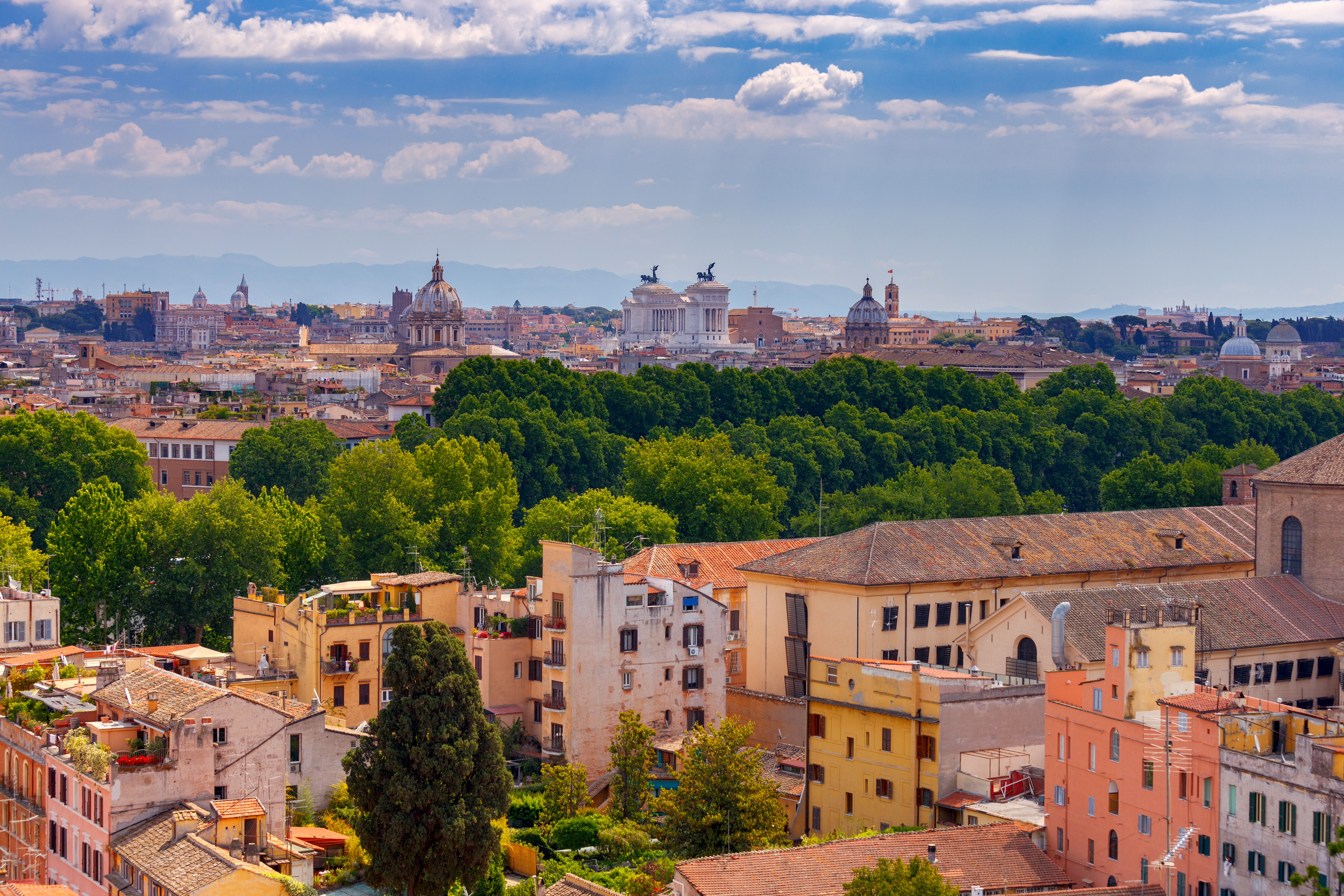
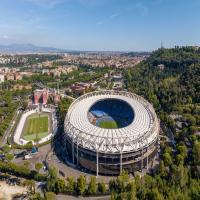
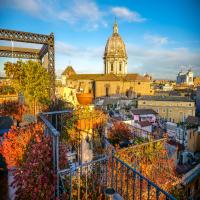
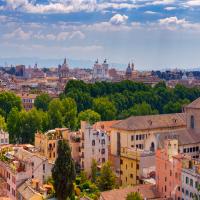
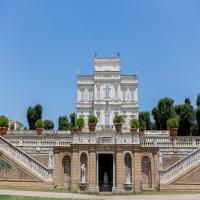
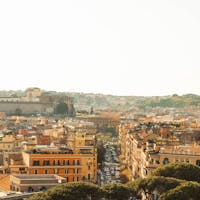
Urban RiverfrontRome is the capital and largest city of Italy, serving as the country's political, cultural, and historical center. The city is renowned as one of the world's most historically significant urban centers, with layers of history spanning over two millennia. Rome's cityscape is characterized by a remarkable blend of ancient ruins, Renaissance architecture, and baroque fountains that create a distinctive aesthetic found nowhere else. The Tiber River winds through the city, and Rome's geography features several hills that have shaped its development throughout history. The city is densely populated and vibrant, with bustling streets, lively piazzas, and a strong pedestrian culture. Rome serves as a major hub for art, religion, and learning, with numerous museums, galleries, and educational institutions. The city's infrastructure includes an extensive public transportation system with metro, buses, and trams. Rome's economy is driven by tourism, government services, and cultural industries. The city attracts millions of visitors annually who come to experience its historical sites, museums, cuisine, and atmosphere. Daily life in Rome involves navigating narrow medieval streets, enjoying outdoor dining culture, and experiencing the rhythm of Italian urban life.
 BlueCross BlueShield Global Solutions
Get Quote
BlueCross BlueShield Global Solutions (BCBS) offers global health plans for international assignments or trips lasting 6 months or longer. With access to over 1.7M medical providers in 190 countries around the world, BCBS provides members with solutions and industry-leading digital services - ensuring top-quality coverage to people who live, work, study and travel internationally.
BlueCross BlueShield Global SolutionsBlueCross BlueShield Global Solutions (BCBS) offers global health plans for international assignments or trips lasting 6 months or longer. With access to over 1.7M medical providers in 190 countries around the world, BCBS provides members with solutions and industry-leading digital services - ensuring top-quality coverage to people who live, work, study and travel internationally.
Get Quote
Visa & Residency
Obtaining a residency in Italy involves several steps and the process can vary depending on the type of visa you are applying for. The most common types of visas for expats include the Elective Residence Visa and the Work Visa. The Elective Residence Visa is designed for individuals who can prove they have a high, steady income from sources outside of Italy and do not need to work in the country. Applicants must show they have sufficient funds to support themselves, a place to live, and comprehensive health insurance. This visa is valid for one year and can be renewed. The Work Visa is for those who have secured a job in Italy before entering the country. The employer must apply for a work permit on behalf of the employee, which is subject to quotas. Once the work permit is granted, the employee can apply for the visa. This process can be quite competitive and time-consuming due to the quota system. Other visas include the Student Visa and Family Reunification Visa. The process generally involves gathering the required documentation, such as a valid passport, proof of financial means, accommodation, and health insurance, and submitting an application to the Italian consulate or embassy in your home country. An appointment is usually required, and you may need to attend an interview. The difficulty of the process can vary; it is often described as average, but it can be challenging due to the bureaucracy and strict requirements. It is advisable to start the application process well in advance of your intended move date and to seek assistance from professionals if necessary. Once in Italy, you will need to apply for a residence permit (permesso di soggiorno) within eight days of arrival to stay legally. This additional step involves going to the local post office or police station (Questura) to submit the necessary paperwork. Overall, while the process can be bureaucratic and requires careful preparation, it is manageable with the right planning and support.

Cost of Living
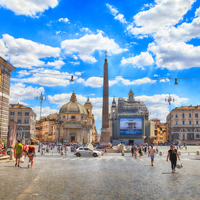
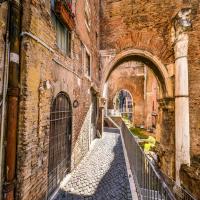
The cost of living in Rome is high, particularly for accommodation in central areas and popular neighborhoods. Dining, entertainment, and tourist-oriented services command premium prices due to the city's status as a major international destination.
Weather
Rome has a Mediterranean climate with warm, dry summers and mild, wet winters. Average temperatures range from around 8°C in winter to 28°C in summer.
Healthcare in Rome
Rome has several major hospitals including Policlinico Gemelli and Policlinico Umberto I, which provide comprehensive healthcare services with modern facilities and English-speaking staff in many departments. The Italian healthcare system is highly regarded, and private healthcare options are also available throughout the city. Emergency care is accessible and generally of good quality, though wait times can vary.
Schools in Rome
Rome has several international schools including Marymount International School, which offers an American curriculum, and the International School of Rome, providing IB programs. These schools serve the expatriate community and offer education in English alongside Italian.
Rome has bilingual schools offering Italian-English instruction, such as various Montessori schools and private institutions that blend Italian and English curricula to support multilingual families.
Restaurants in Rome
Living in Rome
Best Places to Live in Rome
Moving to Rome
Healthcare in Rome