Pros and Cons of Living in Philippines


Summary: If you're moving to Philippines, it's important to learn about both the Pros AND Cons of living in Philippines.
Are you considering an international move to the Philippines? This archipelago of more than 7,000 islands is known for its vibrant culture, warm people, and stunning landscapes. But what is it really like to live there? Let's dive into the pros and cons of calling the Philippines home.
Pros of Living in the Philippines
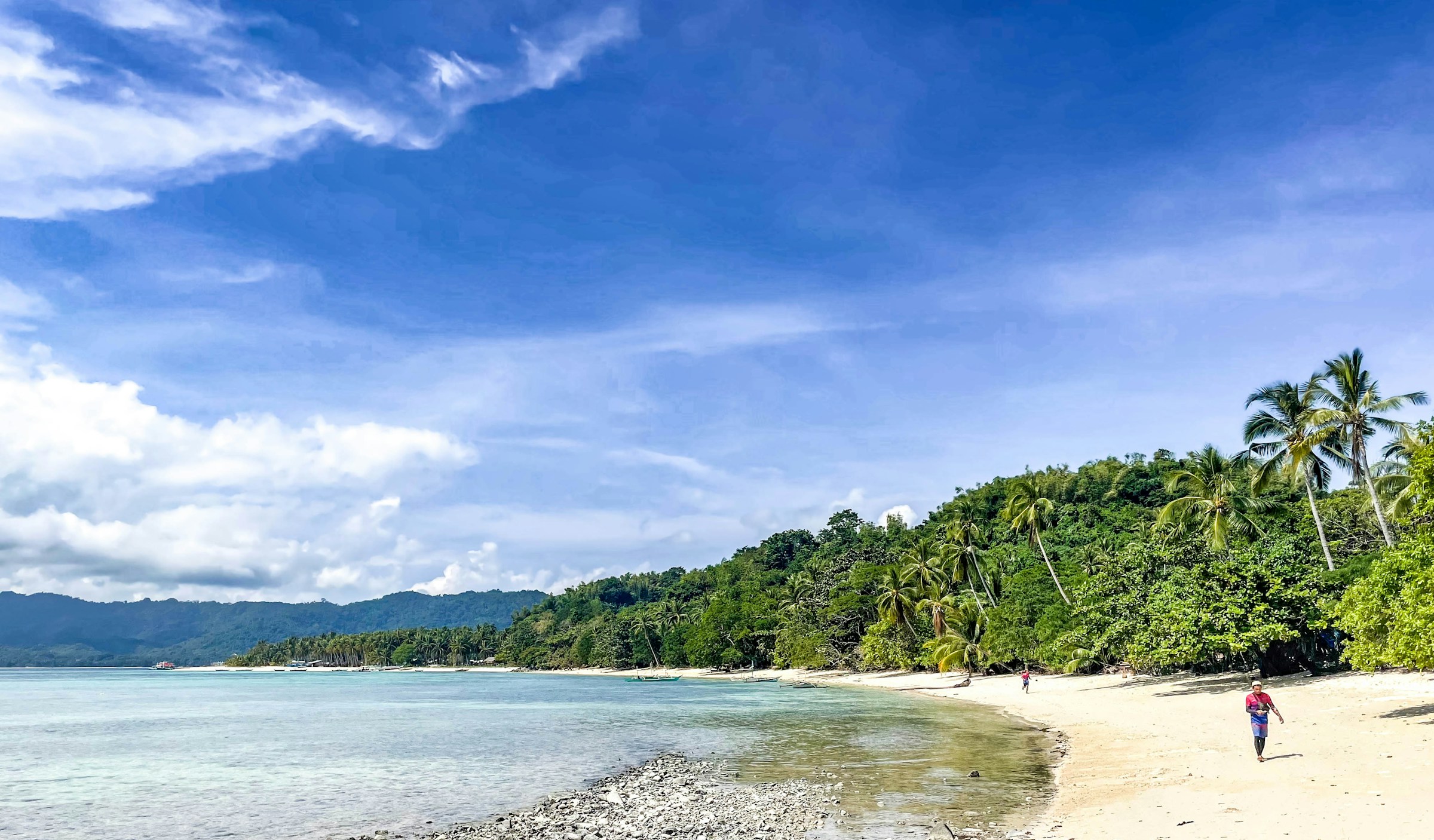
The Philippines offers a myriad of advantages that draw expats from all over the world. One of the primary attractions is the tropical climate and beautiful landscapes. The country boasts pristine beaches, lush forests, and breathtaking mountains. Palawan, often dubbed the "last frontier," is a paradise for nature lovers with its crystal-clear waters and diverse marine life. Bohol's Chocolate Hills and the enchanting Banaue Rice Terraces are just a few more examples of the Philippines' natural wonders.
The cost of living is another significant advantage. Compared to many Western countries, the Philippines is remarkably affordable. Housing, food, and transportation costs are low, allowing expats to enjoy a higher standard of living for less. For instance, a one-bedroom apartment in the city center can cost as little as PHP 10,000 (around USD 200) per month. Street food is both delicious and cheap, with meals often costing less than a dollar.
The warm and hospitable locals make the Philippines feel like home. Filipinos are known for their friendliness and welcoming nature. It's not uncommon for expats to be invited to local gatherings or offered help when they need it. This cultural openness can make integration much smoother. Anecdotally, many expats report feeling a strong sense of community and belonging after moving to the Philippines.
The Philippines also offers a rich cultural experience. The country is a blend of Asian, Spanish, and American influences, resulting in a unique mix of traditions, festivals, and cuisine. Festivals like Sinulog in Cebu and Ati-Atihan in Kalibo are vibrant celebrations that showcase the country's religious fervor and love for dance and music. The food scene is equally diverse, with dishes ranging from the iconic adobo to the more adventurous balut.
For those considering retirement, the Philippines offers the Philippine Retirement Authority (PRA) Special Resident Retiree's Visa (SRRV). This visa provides numerous benefits, including permanent residency, tax exemptions, and discounts on various services. It's designed to make retirement in the Philippines as comfortable and hassle-free as possible.
Lastly, the Philippines has a growing economy with numerous job opportunities, particularly in sectors like business process outsourcing (BPO), IT, and tourism. The thriving startup scene in cities like Manila and Cebu also presents exciting prospects for entrepreneurs.
Cons of Living in the Philippines
While the Philippines has much to offer, it's essential to consider the challenges as well. One of the primary concerns is traffic congestion and infrastructure. Major cities, particularly Manila, are notorious for heavy traffic. Commutes can be long and stressful, with roads often clogged with vehicles. Public transportation is not always reliable or comfortable, which can be a significant adjustment for those from countries with efficient transit systems.
The climate can also be challenging. The Philippines has a tropical maritime climate, which means it's hot and humid year-round. Temperatures can soar, and the high humidity can make it feel even hotter. Additionally, the country is prone to typhoons, which can bring heavy rainfall and strong winds. These storms can cause significant damage and disruption, particularly in coastal areas.
Another consideration is the language barrier. While English is widely spoken and is one of the official languages, not everyone is fluent. This can lead to misunderstandings and communication difficulties, especially in more rural areas. Learning basic Tagalog or other local dialects can help, but it requires time and effort.
Pollution is another pressing issue. Air pollution in major cities can be severe, primarily due to vehicle emissions. Water pollution is also a concern, with many rivers and coastal areas contaminated with waste. This can impact both the quality of life and health, with respiratory and waterborne illnesses being common.
The healthcare system in the Philippines is a mix of public and private providers. While there are excellent hospitals and clinics, particularly in urban areas, the quality of care can vary widely. In rural areas, healthcare facilities may be limited or lacking in resources. Private healthcare can be expensive, making health insurance a necessity.
Corruption and bureaucracy can also be challenging. Navigating government processes, such as obtaining visas or registering a business, can be complicated and time-consuming. Corruption, while less prevalent than in the past, is still an issue that expats may encounter.
Lastly, safety and security can be concerns. While the Philippines is generally safe, petty crime is common, and there are areas with higher levels of violence. It's essential to stay informed about the security situation and take necessary precautions to ensure safety.
Moving to the Philippines can be an exciting adventure filled with beautiful landscapes, warm people, and a rich cultural experience. However, it's crucial to weigh the pros and cons carefully. Consider your personal preferences, needs, and circumstances to determine if the Philippines is the right fit for you. Whether you're drawn to the stunning beaches, vibrant culture, or affordable cost of living, the Philippines has much to offer those willing to embrace its unique challenges and rewards.
Expats Talk about Pros & Cons of Living in Philippines
" It's true, services are slow, all services. Most don't even know what they are talking about. Public services are very bad at not knowing anything. Not much is reliable except food! And the big car companies like Toyota have no parts!! Frustrating," commented one member living in Philippines.
About the Author
 Betsy Burlingame is the Founder and President of Expat Exchange and is one of the Founders of Digital Nomad Exchange. She launched Expat Exchange in 1997 as her Master's thesis project at NYU. Prior to Expat Exchange, Betsy worked at AT&T in International
and Mass Market Marketing. She graduated from Ohio Wesleyan University
with a BA in International Business and German.
Betsy Burlingame is the Founder and President of Expat Exchange and is one of the Founders of Digital Nomad Exchange. She launched Expat Exchange in 1997 as her Master's thesis project at NYU. Prior to Expat Exchange, Betsy worked at AT&T in International
and Mass Market Marketing. She graduated from Ohio Wesleyan University
with a BA in International Business and German.
Some of Betsy's articles include 12 Best Places to Live in Portugal, 7 Best Places to Live in Panama and 12 Things to Know Before Moving to the Dominican Republic. Betsy loves to travel and spend time with her family. Connect with Betsy on LinkedIn.
Additional Information:
- Philippines Guide
- Healthcare & Health Insurance in Philippines
- Members Talk about Healthcare & Health Insurance in Philippines
- Best Places to Live in Philippines
- Real Estate in Philippines
- Guide to Real Estate in Philippines
- Pros & Cons of Living in Philippines
- Cost of Living in Philippines
- Thailand vs. The Philippines
- 15 Best Places to Live in Philippines
- 10 Best Places to Live on the Coast in Philippines
- Understanding the Health System in Philippines
- 2026 Guide to Living in Philippines
- Pros and Cons of Living in Philippines 2026
- 2026 Guide to Moving to Philippines