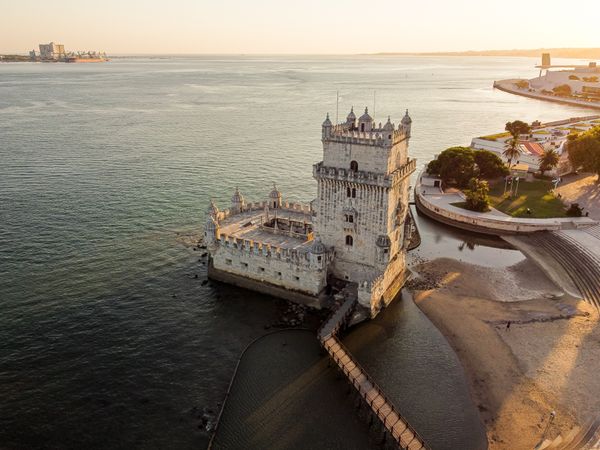
Pros and Cons of Living in Portugal


Summary: If you're moving to Portugal, it's important to learn about both the Pros AND Cons of living in Portugal.
Are you considering an international move to Portugal? This charming European nation offers a unique blend of history, culture, and natural beauty. But before you pack your bags, it's essential to weigh the pros and cons of living in Portugal. Let's dive into the specifics to help you make an informed decision.
Pros of Living in Portugal
Portugal is a vibrant and welcoming country with a lot to offer expats. Here are some of the most compelling reasons to consider moving to Portugal:
Climate and Natural Beauty
Portugal boasts a mild Mediterranean climate with hot, dry summers and cool, wet winters. The Algarve region, in particular, is famous for its sunny weather, with over 300 days of sunshine per year. The country's diverse landscapes range from stunning beaches and rugged coastlines to lush forests and rolling hills. The Serra da Estrela mountain range offers excellent hiking opportunities, while the Douro Valley is known for its breathtaking vineyards and wine production.
Rich History and Culture
Portugal is steeped in history, with numerous UNESCO World Heritage sites scattered throughout the country. From the historic city of Porto to the ancient University of Coimbra and the enchanting castles of Sintra, there's always something new to explore. Portugal is also famous for its traditional Fado music, delicious cuisine, and vibrant festivals like the São João Festival in Porto.
Affordable Cost of Living
Compared to other Western European countries, Portugal offers a relatively low cost of living. Housing, food, and healthcare are generally more affordable, especially in smaller towns and rural areas. For instance, a two-bedroom apartment in Lisbon might cost around €800-€1000 per month, while in smaller cities like Braga or Évora, the same apartment could be found for €400-€600.
Friendly Locals and Strong Communities
Portuguese people are known for their warmth and hospitality. Many expats find it easy to integrate into local communities and make friends. Portuguese culture values family and social connections, which can be seen in the lively social scenes found in cities like Lisbon and Porto. Anecdotally, many expats report feeling welcomed and accepted by their Portuguese neighbors.
Quality Healthcare
Portugal's healthcare system is highly regarded and ranked 12th in the World Health Organization's ranking of global healthcare systems. The public healthcare system, known as the Serviço Nacional de Saúde (SNS), provides free or low-cost healthcare to Portuguese residents. Private healthcare is also available and generally affordable.
Safety and Security
Portugal is consistently ranked as one of the safest countries in the world. Violent crime is rare, and petty crimes like pickpocketing are generally confined to tourist areas. The sense of security is one of the main reasons why many families choose to relocate to Portugal.
Cons of Living in Portugal
While Portugal has much to offer, it's essential to consider the potential challenges and drawbacks of living there:
Bureaucracy
Portugal is infamous for its slow and complex bureaucracy. The process of obtaining residency, registering with local authorities, or even setting up utilities can be time-consuming and frustrating. language barriers can exacerbate these issues, as many official documents and procedures are only available in Portuguese.
Language Barrier
While many Portuguese people, especially the younger generations, speak English, the primary language is Portuguese. This can make it challenging to navigate day-to-day life, find employment, or build relationships with locals, particularly in smaller towns and rural areas. Learning Portuguese can significantly enhance your experience and integration into the community.
Economic Instability
Portugal has faced economic challenges in recent years, leading to high unemployment rates and austerity measures. While the economy has shown signs of recovery, job opportunities may still be limited, especially for expats who do not speak Portuguese. The economic situation has also led to a brain drain, with many young and skilled Portuguese workers seeking opportunities abroad.
Lower Salaries
While the is lower in Portugal, salaries are also generally lower compared to other Western European countries. This can make it challenging to save money or maintain a high standard of living, particularly for those working in local jobs. However, remote workers and digital nomads earning foreign currencies may find their money goes further in Portugal.
Limited Job Opportunities for Expats
For those looking to work locally, job opportunities can be scarce, especially outside of major cities like Lisbon and Porto. The language barrier can also limit employment options for expats. Many expats find work in industries such as tourism, technology, or teaching English, but competition for these jobs can be high.
Public Transportation
While public transportation is generally good in major cities, it can be less reliable and less frequent in smaller towns and rural areas. Owning a car can be helpful for exploring the country and accessing more remote locations. However, driving in Portugal can be challenging due to narrow roads, aggressive drivers, and limited parking in urban areas.
Slow Pace of Life
Portugal is known for its laid-back and slow-paced lifestyle, which can be both a pro and a con. While many expats appreciate the relaxed atmosphere and work-life balance, others may find the slow pace frustrating, especially when it comes to getting things done or dealing with bureaucracy. Adjusting to this slower pace of life can take time and patience.
In weighing the pros and cons of living in Portugal, it's clear that the country offers a unique blend of natural beauty, rich culture, and affordable living. However, the potential challenges of bureaucracy, language barriers, and economic instability should also be carefully considered. Ultimately, the decision to move to Portugal will depend on your personal priorities and preferences. Whether you're drawn to the sunny beaches of the Algarve, the historic streets of Porto, or the vibrant energy of Lisbon, Portugal offers a wealth of experiences for those willing to embrace its charms and navigate its challenges.
About the Author
 Joshua Wood, LPC joined Expat Exchange in 2000 and serves as one of its Co-Presidents. He is also one of the Founders of Digital Nomad Exchange. Prior to Expat Exchange, Joshua worked for NBC Cable (MSNBC and CNBC
Primetime). Joshua has a BA from Syracuse and a Master's in Clinical and Counseling Psychology from Fairleigh Dickinson University. Mr. Wood is also a licensed counselor and psychotherapist.
Joshua Wood, LPC joined Expat Exchange in 2000 and serves as one of its Co-Presidents. He is also one of the Founders of Digital Nomad Exchange. Prior to Expat Exchange, Joshua worked for NBC Cable (MSNBC and CNBC
Primetime). Joshua has a BA from Syracuse and a Master's in Clinical and Counseling Psychology from Fairleigh Dickinson University. Mr. Wood is also a licensed counselor and psychotherapist.
Some of Joshua's articles include Pros and Cons of Living in Portugal, 10 Best Places to Live in Ireland and Pros and Cons of Living in Uruguay. Connect with Joshua on LinkedIn.
Additional Information:
- Portugal Guide
- Healthcare & Health Insurance in Portugal
- Members Talk about Healthcare & Health Insurance in Portugal
- Best Places to Live in Portugal
- Real Estate in Portugal
- Guide to Real Estate in Portugal
- Pros & Cons of Living in Portugal
- Cost of Living in Portugal
- Culture Shock in Portugal
- Homeschooling in Portugal
- How to Enroll Your Children in School in Portugal
- Educational System in Portugal
- Pros and Cons of Living in Portugal 2026
- 2026 Guide to Moving to Portugal
- More Advice about Retiring in Portugal