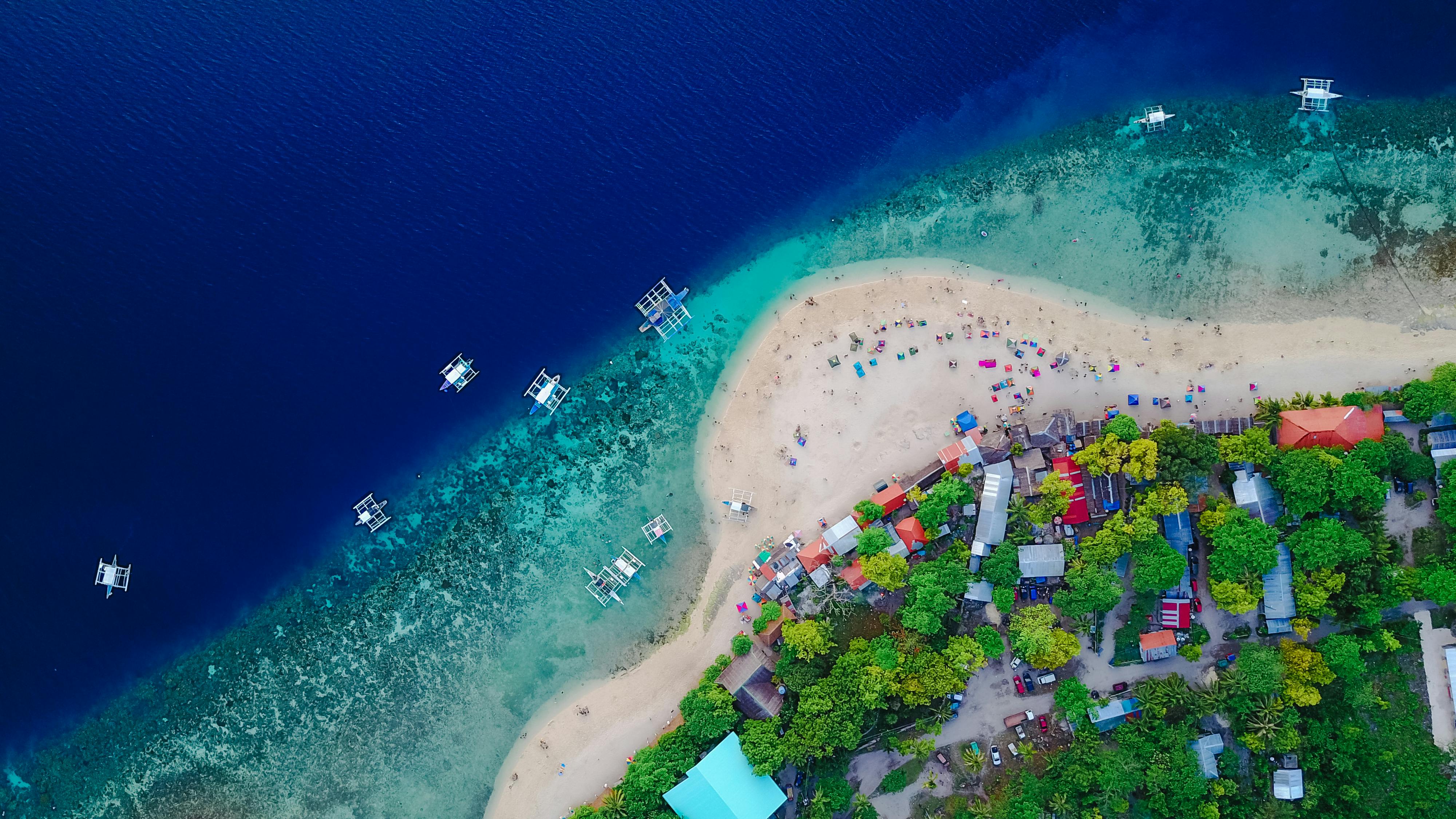
How to Buy a Home in Philippines


Summary: Real Estate Philippines, Homes for Sale in Philippines The one tip that you hear expats living in Philippines repeatedly sharing with newcomers is not to buy a home when you first move to Philippines. Rent for a few months or longer so that you have time to find the right neighborhood. Give yourself time to ensure that Philippines is right for you for the long term. If you've already taken time to do those things and are ready to take the plunge and become a property owner, here are tips about buying a home in Philippines. Seasoned expatriates recommend a cautious approach to newcomers eager to settle down�avoid the rush to purchase property upon arrival. Instead, consider the benefits of renting in Philippines during your initial months. This strategy allows you the flexibility to explore various neighborhoods and truly decide if the local lifestyle aligns with your long-term expectations. Once you've acclimated and are certain that Philippines is your future home, here are tips on how to buy a home in Philippines.
Embarking on the journey to buy a home in the Philippines as an expat can be both exciting and challenging. The Philippines offers a diverse range of properties, from bustling city condominiums to serene beachfront homes. However, understanding the unique laws, processes, and potential pitfalls is crucial for foreign buyers. This guide aims to provide a comprehensive overview to help expats navigate the Philippine real estate market.
How Do I Find Houses for Sale in the Philippines?
Finding houses for sale in the Philippines can be done through various channels. Online property platforms, real estate agencies, and local newspapers are good starting points. Additionally, networking with local communities and expat groups can provide valuable insights and leads. Some popular property websites include Lamudi, ZipMatch, and Property24, which feature listings from various regions.
Are There Restrictions on Foreigners Owning Property in the Philippines?
Yes, there are restrictions on foreign ownership of property in the Philippines. Foreigners are generally not allowed to own land but can own condominium units or houses as long as they do not own the land on which the house is built. One legal workaround is to lease the land for a long-term period, typically up to 50 years, renewable once. Another option is to form a corporation with Filipino partners who own at least 60% of the company, allowing the foreigner to acquire property through the corporation.
Does the Philippines Have an MLS Type System?
The Philippines does not have a centralized Multiple Listing Service (MLS) system like those found in some other countries. Instead, property listings are scattered across various platforms and agencies. This lack of a centralized system can make the search process more challenging, emphasizing the importance of working with reputable real estate agents and utilizing multiple search avenues.
Do Brokers Have Licenses and How Do I Know If They Are Licensed?
Real estate brokers in the Philippines are required to be licensed by the Professional Regulation Commission (PRC). To verify if a broker is licensed, you can check the PRC's official website or ask the broker to provide their license number. Licensed brokers have undergone specific education and training, ensuring they are knowledgeable about the industry and legal processes.
What Documents Are Required When Buying a Home?
When buying a home in the Philippines, several documents are required. These include a valid passport, a Philippine Inland Revenue Authority (BIR) Tax Identification Number (TIN), and proof of funds. For the property itself, you will need a Certificate of Title, Tax Declaration, and Transfer Certificate of Title. Additionally, a Deed of Absolute Sale and necessary clearances from the homeowners' association, if applicable, will be needed.
Do I Need a Lawyer When Buying a Home in the Philippines?
Yes, it is highly recommended to hire a lawyer when buying a home in the Philippines. A lawyer can assist in verifying the property's title, drafting and reviewing contracts, and ensuring all legal requirements are met. The cost of hiring a lawyer varies, but it typically ranges from 1% to 2% of the property's value, providing peace of mind and legal protection throughout the transaction.
Do People Typically Buy a Property with All Cash or Take Out a Mortgage?
Both cash purchases and mortgages are used when buying property in the Philippines. However, foreigners may find it challenging to secure local bank financing due to restrictions on land ownership. Cash payments are more common among foreign buyers, but some banks offer home loans to foreigners for condominium purchases. It is essential to research and compare options based on individual circumstances.
Are There Inspections That Take Place, and If So, What Is That Process Like?
Property inspections are not as standardized in the Philippines as in some other countries. While there are no formal inspection requirements, buyers can hire professional inspectors to assess the property's condition. The process typically involves a visual inspection of the structure, electrical systems, plumbing, and other aspects. It is the buyer's responsibility to arrange and pay for these inspections.
What Are Some of the Pitfalls to Avoid When Buying Property in the Philippines?
Some common pitfalls to avoid when buying property in the Philippines include not conducting thorough due diligence, falling for scams or unscrupulous sellers, and not understanding the legal restrictions on foreign ownership. Additionally, be cautious of hidden costs, unclear titles, and properties with ongoing disputes. Working with reputable professionals and seeking legal advice can help mitigate these risks.
Expats Talk about Real Estate in Philippines
"I was lucky because my wife is from the Philippines so as far as learning the customs and so on that part was easy. Even so I made several trips of three to four weeks each over a three year period before I made the decision to move and retire here. Your US Dollars go very far here. My advice is to do your home work on any place you may want to move. There is much to learn. Visas for long term stay is most important. I am married to a local citizen so I only need to leave the country every 12 months for an overnight stay if I wanted and this visa is free. There permanent visas with a fee. There is top notch health care available here at a fraction on USA cost. As I stated before do your home work and you will have much happier results," said one expat living in Isabel.
"Live in the Philippines a minimum of ONE YEAR and be certain this is for you before making any decisions. Personally, I have been here 3 years plus and have not yet made that leap of faith of making a purchase. My sense is that contrary to the propaganda of a booming world economy, reality and basic economic math, relative to national debt levels says this is the crest of the wave, beware the forthcoming financial tsunami," commented one expat living in Palawan, Philippines.
"Yes, there are restrictions. As a foreigner you can not own property in your name directly. However, you can own a condominium with the added advantage of obtaining Special Resident Retiree's Visa (SRRV) as a result of a qualified investment. Do research this option. Note: YOU NEED NOT MARRY TO STAY IN THIS COUNTRY!!!," commented one expat living in Palawan, Philippines.
"There are many Real Estate web sites. Most are obscenely outdated and worthless. Try DotProperty. Very professional and timely !!! ," commented one expat living in Palawan, Philippines.
About the Author
 Betsy Burlingame is the Founder and President of Expat Exchange and is one of the Founders of Digital Nomad Exchange. She launched Expat Exchange in 1997 as her Master's thesis project at NYU. Prior to Expat Exchange, Betsy worked at AT&T in International
and Mass Market Marketing. She graduated from Ohio Wesleyan University
with a BA in International Business and German.
Betsy Burlingame is the Founder and President of Expat Exchange and is one of the Founders of Digital Nomad Exchange. She launched Expat Exchange in 1997 as her Master's thesis project at NYU. Prior to Expat Exchange, Betsy worked at AT&T in International
and Mass Market Marketing. She graduated from Ohio Wesleyan University
with a BA in International Business and German.
Some of Betsy's articles include 12 Best Places to Live in Portugal, 7 Best Places to Live in Panama and 12 Things to Know Before Moving to the Dominican Republic. Betsy loves to travel and spend time with her family. Connect with Betsy on LinkedIn.
Additional Information:
- Philippines Guide
- Healthcare & Health Insurance in Philippines
- Members Talk about Healthcare & Health Insurance in Philippines
- Best Places to Live in Philippines
- Real Estate in Philippines
- Guide to Real Estate in Philippines
- Pros & Cons of Living in Philippines
- Cost of Living in Philippines
- Health Insurance in Philippines
- Best Places to Visit in Philippines for Christmas Cheer
- Christmas in Philippines
- Dengue Virus in Philippines
- 2026 Guide to Living in Philippines
- Pros and Cons of Living in Philippines 2026
- 2026 Guide to Moving to Philippines