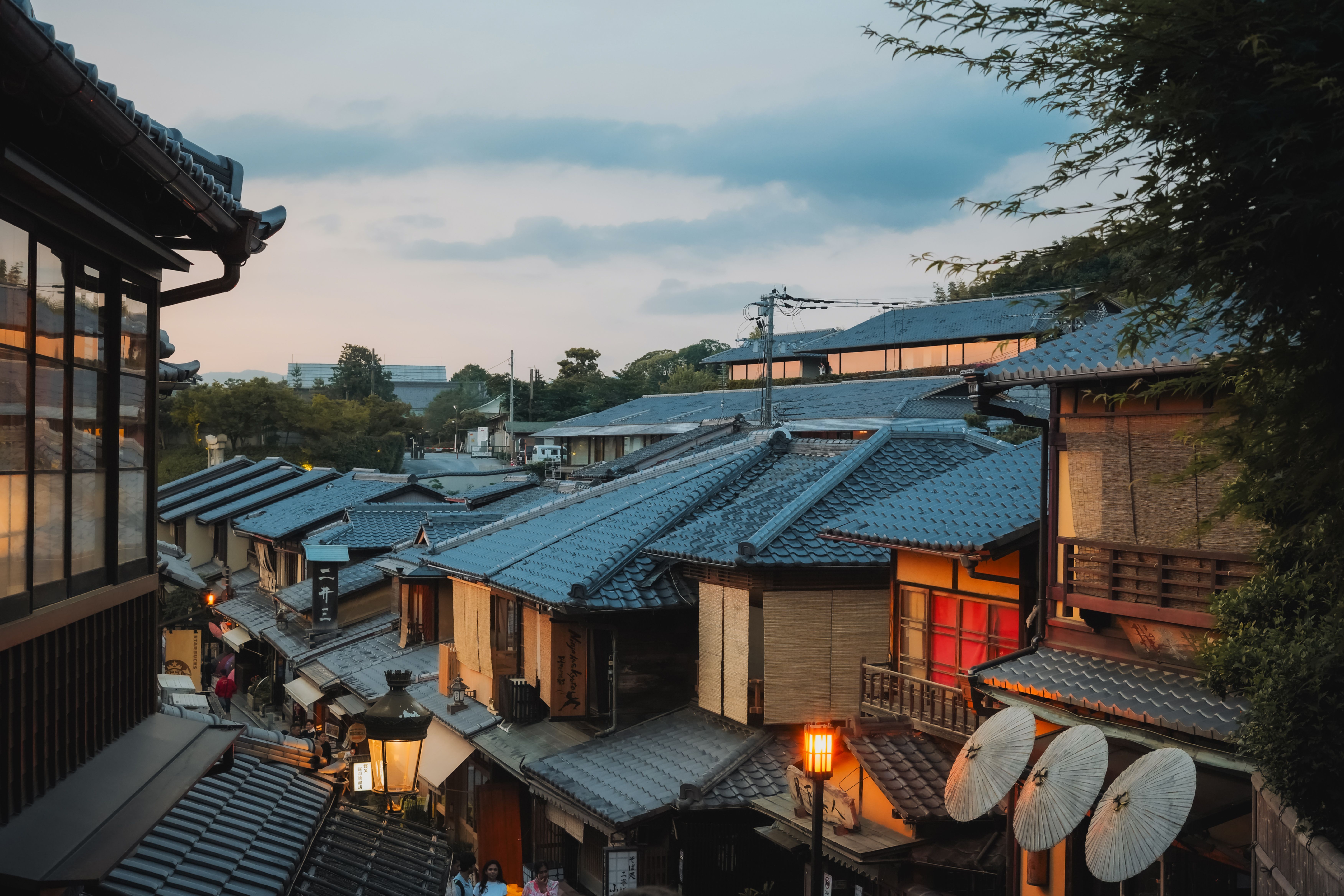
How to Buy a Home in Japan


Summary: The one tip that you hear expats living in Japan repeatedly sharing with newcomers is not to buy a home when you first move to Japan. Rent for a few months or longer so that you have time to find the right neighborhood. Give yourself time to ensure that Japan is right for you for the long term. If you've already taken time to do those things and are ready to take the plunge and become a property owner, here are tips about buying a home in Japan.
Moving to Japan and buying a home can be an exciting yet complex process for expats. The Japanese real estate market has its unique characteristics, and understanding the system is crucial for a successful purchasing experience. This guide will walk you through the essential aspects of buying a home in Japan, from finding properties to navigating legal requirements and avoiding common pitfalls.
How Do I Find Houses for Sale in Japan?
Finding houses for sale in Japan typically involves utilizing online real estate portals, engaging with real estate agencies, or leveraging personal networks. Websites like SUUMO, HOME'S, and Athome are popular among locals and expats alike. Real estate agencies can provide personalized assistance and sometimes have exclusive listings. It's also useful to explore local neighborhoods and look for "????" (urimasu) signs, which indicate that a property is for sale.
Are There Restrictions on Foreigners Owning Property in Japan?
Legally, there are few restrictions on foreigners owning property in Japan. Foreign residents have the same rights as Japanese citizens regarding property ownership. However, specific areas, such as those near military bases or in certain rural districts, may have zoning restrictions. Additionally, banks may have different lending criteria for foreigners, which can be mitigated by securing a permanent residency visa or having a stable employment history in Japan.
Does Japan Have an MLS Type System?
Japan does not have a centralized Multiple Listing Service (MLS) system like those found in some Western countries. Instead, real estate information is often dispersed across various platforms and agencies. This lack of centralization can make the property search process more challenging, emphasizing the importance of working with reputable real estate agencies to access a broader range of listings.
Do Brokers Have Licenses and How Do I Know If They Are Licensed?
Real estate brokers in Japan are required to have a license, known as a "???????" (takuchi-kenbutsu-torihiki-gyo) license. This license is issued by the Ministry of Land, Infrastructure, Transport and Tourism. To verify if a broker is licensed, you can ask to see their license certificate or check the ministry's website. Working with a licensed broker ensures that you are dealing with a professional who adheres to legal and ethical standards.
What Documents Are Required When Buying a Home?
When buying a home in Japan, several documents are typically required. These include a valid passport or residence card, proof of income (such as tax statements or employment contracts), a certificate of residence (??? - juminhyo), a personal seal (?? - inkan), and a registration certificate (????? - tokibo tohon) of the property. Additionally, if you are taking out a mortgage, banks will require financial statements and credit history documents.
Do I Need a Lawyer When Buying a Home in Japan?
While not legally required, hiring a lawyer can provide significant benefits, especially for expats unfamiliar with the Japanese legal system. A lawyer can assist with contract negotiations, legal document reviews, and ensuring compliance with local regulations. The cost of hiring a lawyer varies, but it typically ranges from 1% to 3% of the property's purchase price. Engaging a lawyer early in the process can help avoid costly mistakes and legal issues.
Do People Typically Buy a Property with All Cash or Take Out a Mortgage?
In Japan, both cash purchases and mortgages are common. The choice depends on individual financial circumstances. Mortgages are widely available, with both fixed and variable interest rate options. Foreign residents can apply for mortgages, but the approval process may be more stringent, often requiring a stable employment history and a permanent residency visa. Consulting with a financial advisor or mortgage specialist can help determine the best financing option.
Are There Inspections That Take Place, and If So, What Is That Process Like?
Property inspections are not as standardized in Japan as in some other countries, but they are still important. Buyers typically conduct a visual inspection of the property before making an offer. Professional inspectors can be hired to assess the property's condition, identify any defects, and provide a detailed report. The inspection process may involve checking for structural issues, pest damage, and the condition of utilities. Negotiating repairs or adjustments based on the inspection findings is common practice.
What Are Some of the Pitfalls to Avoid When Buying Property in Japan?
Buying property in Japan comes with several potential pitfalls that expats should be aware of. These include language barriers, cultural differences in negotiation practices, and hidden costs such as renovation fees or property taxes. Additionally, understanding the local zoning laws and building regulations is crucial to avoid issues related to property use and development. Working with a knowledgeable real estate agent and conducting thorough due diligence can help mitigate these risks and ensure a smoother purchasing process.
Expats Talk about Real Estate in Japan
"Think small. A lot of American furniture won't fit in the pats here. I would come with my important papers & luggage. get your place then shop & have furniture delivered. Or by used from craigslist or recycle or 2nd hand stores. There are plenty! There are food places all over mexican, Italian, Indian, Outback, TGIF,. I'm an hour from Tokyo. It's easy to find food places you like. Average meal 10-12.00 to eat out, train ride 6-8.00 each way to Tokyo. Plus size clothes are very rare to find. If you a small person you will find your size clothes," said one expat living in Kanagawa Perfecture.
About the Author
 Joshua Wood, LPC joined Expat Exchange in 2000 and serves as one of its Co-Presidents. He is also one of the Founders of Digital Nomad Exchange. Prior to Expat Exchange, Joshua worked for NBC Cable (MSNBC and CNBC
Primetime). Joshua has a BA from Syracuse and a Master's in Clinical and Counseling Psychology from Fairleigh Dickinson University. Mr. Wood is also a licensed counselor and psychotherapist.
Joshua Wood, LPC joined Expat Exchange in 2000 and serves as one of its Co-Presidents. He is also one of the Founders of Digital Nomad Exchange. Prior to Expat Exchange, Joshua worked for NBC Cable (MSNBC and CNBC
Primetime). Joshua has a BA from Syracuse and a Master's in Clinical and Counseling Psychology from Fairleigh Dickinson University. Mr. Wood is also a licensed counselor and psychotherapist.
Some of Joshua's articles include Pros and Cons of Living in Portugal, 10 Best Places to Live in Ireland and Pros and Cons of Living in Uruguay. Connect with Joshua on LinkedIn.
Additional Information:
- Japan Guide
- Healthcare & Health Insurance in Japan
- Members Talk about Healthcare & Health Insurance in Japan
- Best Places to Live in Japan
- Real Estate in Japan
- Guide to Real Estate in Japan
- Pros & Cons of Living in Japan
- Cost of Living in Japan
- 10 Things to Know Before Moving to Japan
- How to Buy a Home in Japan
- Pros and Cons of Living in Japan
- How to Rent a Home in Japan
- 2026 Guide to Living in Japan
- Pros and Cons of Living in Japan 2026
- 2026 Guide to Moving to Japan