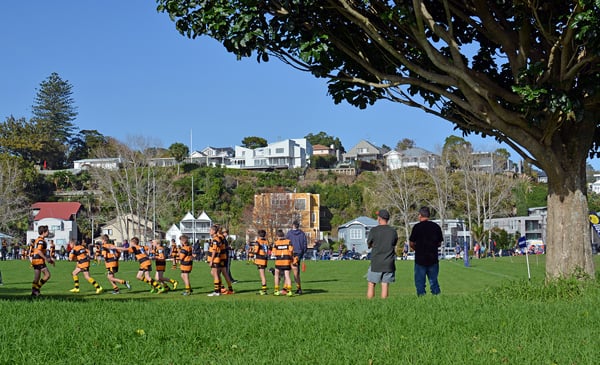
How to Buy a Home in New Zealand


Summary: The one tip that you hear expats living in New Zealand repeatedly sharing with newcomers is not to buy a home when you first move to New Zealand. Rent for a few months or longer so that you have time to find the right neighborhood. Give yourself time to ensure that New Zealand is right for you for the long term. If you've already taken time to do those things and are ready to take the plunge and become a property owner, here are tips about buying a home in New Zealand.
Buying a home in New Zealand can be an exciting journey for expats. The process may differ from what you're familiar with, so it's essential to understand the local regulations, procedures, and best practices. This guide will walk you through the key aspects of purchasing a property in New Zealand, from finding a house to understanding the legal requirements and potential pitfalls.
How do I find houses for sale in New Zealand?
To find houses for sale in New Zealand, you can explore various online platforms such as Trade Me Property, realestate.co.nz, and individual real estate agency websites. These platforms allow you to filter your search based on location, price, size, and other preferences. Additionally, you can visit local real estate offices or look for listings in local newspapers and community boards.
Are there restrictions on foreigners owning property in New Zealand?
Yes, there are restrictions on foreign property ownership in New Zealand. The Overseas Investment Amendment Act (OIAA) restricts foreigners from buying existing homes. However, foreigners can still purchase new builds, apartments in large developments, or land to build on. To legally purchase restricted property, foreign buyers must apply for consent from the Overseas Investment Office (OIO) and meet specific criteria, such as proving substantial benefit to New Zealand or holding residency status.
Does New Zealand have an MLS type system?
New Zealand does not have a centralized Multiple Listing Service (MLS) system like the one used in the United States. Instead, real estate agents share listings through their agencies' websites and collaborative platforms like Trade Me Property and realestate.co.nz. These platforms aggregate listings from various agencies, making it easier for buyers to search for properties.
Do brokers have licenses and how do I know if they are licensed?
Real estate agents in New Zealand must be licensed by the Real Estate Authority (REA). To verify if an agent is licensed, you can search the REA's public register using the agent's name or license number. Licensed agents are required to follow a code of conduct and meet specific industry standards, ensuring professionalism and accountability.
What documents are required when buying a home?
When buying a home in New Zealand, you will need to prepare several documents. These may include a copy of your passport or other valid ID, proof of address, evidence of your financial situation (such as bank statements, payslips, or tax returns), and a copy of the Sale and Purchase Agreement. If you are applying for a mortgage, the lender may require additional documentation, such as employment verification, credit reports, and details of your assets and liabilities.
Do I need a lawyer when buying a home in New Zealand?
Yes, it is highly recommended to hire a lawyer when buying a home in New Zealand. A lawyer will review the Sale and Purchase Agreement, perform a title search, and provide legal advice throughout the buying process. They will also handle the conveyancing process, which involves transferring the property's legal ownership. The cost of hiring a lawyer varies, but you can expect to pay between NZD 1,000 to NZD 3,000 for their services.
Do people typically buy a property with all cash or take out a mortgage?
In New Zealand, both options are common, depending on the buyer's financial situation. Many buyers choose to take out a mortgage to finance their property purchase. Non-residents may face stricter lending criteria and require a larger deposit, typically around 30-40% of the property's value. Cash buyers, on the other hand, may have more negotiating power and can often close deals more quickly.
Are there inspections that take place, and if so what is that process like?
Yes, property inspections are an essential part of the buying process in New Zealand. Before making an offer, it is recommended to hire a professional building inspector to assess the property's condition. The inspector will check for structural issues, moisture, insulation, and other potential problems. They will provide a written report outlining their findings, which can help you make an informed decision about the purchase. In some cases, buyers may also request a LIM (Land Information Memorandum) report from the local council, which provides information about the property's zoning, consents, and any outstanding requisitions.
What are some of the pitfalls to avoid when buying property in New Zealand?
Some common pitfalls to avoid when buying property in New Zealand include not conducting thorough research, skipping building inspections, and not understanding the legal obligations and costs associated with property ownership. Additionally, be cautious of overpaying for a property, especially in competitive markets, and ensure you are aware of any restrictions or covenants that may affect the property's use or development.
Expats Talk about Real Estate in New Zealand
"Here in Dunedin, the location of the home with relation to the sun is very important! Take your time choosing a neighborhood and schools for your children. Find an organization to ask questions about everything, as NZ is ahead of other countries in some areas (on-line access to most government agencies) but very behind in other areas (home insulation and internet speed). We formed such an agency for Dunedin, the web site is www.maverickgroup.co.nz," said one expat living in Dunedin, Otago - South Island NZ.
About the Author
 Joshua Wood, LPC joined Expat Exchange in 2000 and serves as one of its Co-Presidents. He is also one of the Founders of Digital Nomad Exchange. Prior to Expat Exchange, Joshua worked for NBC Cable (MSNBC and CNBC
Primetime). Joshua has a BA from Syracuse and a Master's in Clinical and Counseling Psychology from Fairleigh Dickinson University. Mr. Wood is also a licensed counselor and psychotherapist.
Joshua Wood, LPC joined Expat Exchange in 2000 and serves as one of its Co-Presidents. He is also one of the Founders of Digital Nomad Exchange. Prior to Expat Exchange, Joshua worked for NBC Cable (MSNBC and CNBC
Primetime). Joshua has a BA from Syracuse and a Master's in Clinical and Counseling Psychology from Fairleigh Dickinson University. Mr. Wood is also a licensed counselor and psychotherapist.
Some of Joshua's articles include Pros and Cons of Living in Portugal, 10 Best Places to Live in Ireland and Pros and Cons of Living in Uruguay. Connect with Joshua on LinkedIn.
Additional Information:
- New Zealand Guide
- Healthcare & Health Insurance in New Zealand
- Members Talk about Healthcare & Health Insurance in New Zealand
- Best Places to Live in New Zealand
- Real Estate in New Zealand
- Guide to Real Estate in New Zealand
- Pros & Cons of Living in New Zealand
- Cost of Living in New Zealand
- Christmas in New Zealand
- Culture Shock in New Zealand
- Homeschooling in New Zealand
- How to Enroll Your Children in School in New Zealand
- Pros and Cons of Living in New Zealand 2026
- 2026 Guide to Moving to New Zealand