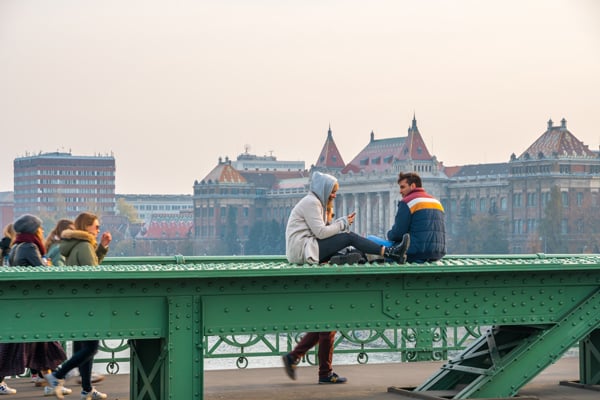
10 Things to Know Before Moving to Hungary


Summary: If you're planning a move to Hungary, here are 10 things expats living there wish they had known before moving to Hungary.
Are you considering a move to Hungary? This Central European gem offers a unique blend of history, culture, and natural beauty. But before you pack your bags, there are a few things you should know. Here are ten essential tips to help you navigate the Magyar lifestyle and make your transition to expat life as smooth as possible.
1. Budapest is the Center of Action, But Not the Only Option
Most expats are drawn to Budapest, the capital city, known for its vibrant cultural scene, historic architecture, and buzzing nightlife. However, Hungary has more to offer. Cities like Szeged, Debrecen, and Pécs provide a slower pace of life, lower cost of living, and their own unique charms. Research beyond Budapest to find the perfect fit for you.
2. Hungarian language is a Challenge Worth Taking
Hungarian is notoriously difficult for foreigners to learn, with a complex grammar system and unique vocabulary. While many young people in urban areas speak excellent English, learning some Hungarian will greatly enhance your experience. Even mastering basic greetings and phrases can open doors and endear you to locals. Consider enrolling in a language course upon arrival.
3. Understand the Visa and residency Permit System
Navigating Hungary's visa and residency permit system can be complex. EU citizens have it easier, but non-EU citizens need to apply for a long-term visa or residency permit. The process involves gathering numerous documents, such as proof of accommodation and sufficient funds. Be prepared for bureaucracy and arm yourself with patience. Consulting the official immigration website or seeking professional assistance can be helpful.
4. is Generally Lower, But Not Universally
Compared to many Western countries, the cost of living in Hungary is generally lower. Groceries, public transport, and rent (outside of central Budapest) are often cheaper. However, utilities and certain imported goods can be surprisingly expensive. Also, salaries tend to be lower, so it's wise to secure a job before moving or have savings to cushion your transition.
5. healthcare is Good, But Private Insurance is Recommended
Hungary has a state-funded healthcare system, but many expats opt for private health insurance to avoid long wait times and gain access to better facilities. Private clinics in Budapest often have English-speaking staff, but in smaller cities, you might encounter language barriers. Research healthcare options before moving and consider getting private insurance.
6. Public Transportation is Excellent, Especially in Budapest
Hungary boasts an extensive and efficient public transportation system, particularly in Budapest. The network of buses, trams, metro lines, and trains makes it easy to navigate the city without a car. Outside the capital, public transport is also reliable, although less frequent. Consider purchasing a monthly pass for significant savings.
7. Embrace the Thermal Bath Culture
Hungary is famous for its thermal baths, with Budapest alone boasting over a dozen. These baths are not just tourist attractions but an integral part of Hungarian social life. Each bath complex has its own character, from the opulent Gellért Baths to the local favorite, Széchenyi. Be sure to try them out; they're perfect for relaxation and socializing.
8. Food is Hearty and Delicious, But Not Always Healthy
Hungarian cuisine is rich and flavorful, with dishes like goulash, lángos, and chimney cake being must-tries. However, traditional dishes can be heavy on meat, dairy, and deep-frying. Vegetarians and vegans might struggle outside of Budapest, where the food scene is more diverse. Explore local markets for fresh produce and consider learning to cook Hungarian dishes at home.
9. Hungarians Are Friendly, But Reserved at First
Hungarians may come across as reserved initially, but once you break the ice, they are warm and welcoming. Learning a bit of the language and showing genuine interest in the culture can help build bridges. Expats often find that joining clubs, attending language exchange events, or participating in local festivals is a great way to connect with locals.
10. Explore Beyond Budapest to Experience True Hungary
While Budapest is captivating, the true essence of Hungary lies beyond the capital. Visit the Tokaj wine region, the picturesque towns along the Danube Bend, or the vast plains of the Puszta. Each region has its own unique traditions, dialects, and cuisine. Traveling around the country will give you a deeper appreciation for Hungary's rich cultural tapestry.
Moving to Hungary is an adventure filled with discovery and growth. By understanding these key aspects, you'll be well-prepared to embrace the Magyar lifestyle and make the most of your expat experience.
Expats talk about Moving to Hungary
"-Finding English-language real estate agents can be difficult but they do exist (I work for one) and it is worth it to find one. Mix ups I've experienced in the past include agents who confuse numbers (40 and 60, for example) and some debate over whether or not my landlady would offer a couch. Businesses that seek expat clients (relocation companies, some real estate agencies and also exercise studios, beauty salons) can have very useful information posted on their website. Choosing a neighborhood: Families seeking residential settings should look for houses on the Buda (West) side of the city, in districts 1, 2, 2A (a bit far from the city center but home to the American School) and 12. Residential parks exist with detached homes and lots of yard space. Those looking to live in the center and close to embassies/businesses should live on the Pest (East) side in district 5, 6 or 7. For urban but residential surroundings look at districts 9, 13 and 14. I saved a map of international schools in Budapest which will help those interested in living close to one: http://maps.google.com/maps/ms?ie=UTF8&hl=en&msa=0&msid=113650380662921546661.00048a66a58c714c0c74a&z=11," said one expat living in Budapest.
"Come with an open mind, there are problems of varying sorts throughout the world. Life is what you make of it, what you demand. We personally find it healthy and quite, much the opposite from where we came from.," said one expat living in Tarnazsadany.
About the Author
 Joshua Wood, LPC joined Expat Exchange in 2000 and serves as one of its Co-Presidents. He is also one of the Founders of Digital Nomad Exchange. Prior to Expat Exchange, Joshua worked for NBC Cable (MSNBC and CNBC
Primetime). Joshua has a BA from Syracuse and a Master's in Clinical and Counseling Psychology from Fairleigh Dickinson University. Mr. Wood is also a licensed counselor and psychotherapist.
Joshua Wood, LPC joined Expat Exchange in 2000 and serves as one of its Co-Presidents. He is also one of the Founders of Digital Nomad Exchange. Prior to Expat Exchange, Joshua worked for NBC Cable (MSNBC and CNBC
Primetime). Joshua has a BA from Syracuse and a Master's in Clinical and Counseling Psychology from Fairleigh Dickinson University. Mr. Wood is also a licensed counselor and psychotherapist.
Some of Joshua's articles include Pros and Cons of Living in Portugal, 10 Best Places to Live in Ireland and Pros and Cons of Living in Uruguay. Connect with Joshua on LinkedIn.
Additional Information:
- Hungary Guide
- Healthcare & Health Insurance in Hungary
- Members Talk about Healthcare & Health Insurance in Hungary
- Best Places to Live in Hungary
- Real Estate in Hungary
- Guide to Real Estate in Hungary
- Pros & Cons of Living in Hungary
- Cost of Living in Hungary
- Understanding Mental Health in Hungary
- Do I need Health Insurance When Moving to Hungary?
- Having a Baby in Hungary
- Health Insurance in Hungary
- Pros and Cons of Living in Hungary 2026
- 2026 Guide to Moving to Hungary
- More Advice about Retiring in Hungary