

Hungary
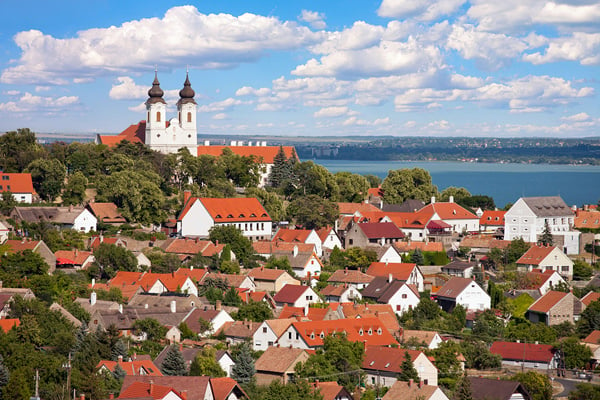
Hungary is a landlocked country in Central Europe, situated in the Carpathian Basin with the Danube River flowing through its heart. The nation has a rich cultural heritage spanning centuries, with Budapest serving as its vibrant capital and largest city. Hungary's economy is moderately developed, with strong sectors in manufacturing, agriculture, and increasingly in technology and services. The country is known for its thermal springs, architectural beauty, and contributions to arts and sciences. Hungarian culture emphasizes hospitality, fine cuisine, and a deep appreciation for music and literature. Life in Hungary offers a blend of modern European amenities with affordable living costs compared to Western Europe.
 SJB Global
Connect
SJB-Global is a top-rated financial advisory firm specializing in expat financial advice worldwide, offering retirement planning & tax-efficient solutions with a regressive fee model. Our clients benefit from their country’s most favorable tax environment by utilizing the efficient investment vehicles we offer. Our commitment to quality service is reflected in our stellar reviews, with over 300 testimonials boasting 95% five-star ratings.
Click connect to have our partner contact you via e-mail and/or phone.
SJB GlobalSJB-Global is a top-rated financial advisory firm specializing in expat financial advice worldwide, offering retirement planning & tax-efficient solutions with a regressive fee model. Our clients benefit from their country’s most favorable tax environment by utilizing the efficient investment vehicles we offer. Our commitment to quality service is reflected in our stellar reviews, with over 300 testimonials boasting 95% five-star ratings.
Connect
Click connect to have our partner contact you via e-mail and/or phone.




Podcasts

Episode 8: Jake Barber - The Expat Finance Expert Returns



Episode 6: Jake Barber - Expat Finance Expert and Lifelong Expat
Living in Hungary
Best Places to Live in Hungary
Visa & Residency
Obtaining a residency in Hungary involves several steps and the process can be considered average in terms of difficulty. Expats looking to reside in Hungary typically apply for the National "D" Visa, which is a long-term visa that allows entry into Hungary for the purpose of obtaining a residence permit. The first step is to determine the appropriate type of residence permit based on the purpose of stay, such as employment, family reunification, study, or business activities. Applicants must submit their visa application at a Hungarian consulate or embassy in their home country. The required documents usually include a valid passport, proof of accommodation in Hungary, a round-trip flight reservation, proof of sufficient financial means to support oneself, and a comprehensive health insurance policy. For certain types of permits, additional documents such as a letter of invitation from a Hungarian employer or an acceptance letter from an educational institution may be required. Once the National "D" Visa is granted, it allows the holder to enter Hungary and stay while they apply for the actual residence permit. The application for the residence permit must be submitted within 30 days of arrival in Hungary at the regional directorate of the National Directorate-General for Aliens Policing. The processing time for the residence permit can vary, but it generally takes about 1-2 months. If approved, the residence permit is typically issued for one year and can be renewed. It is important to note that the process may require an in-person interview and additional documentation, depending on the specific circumstances of the applicant. Overall, while the process involves several bureaucratic steps, it is relatively straightforward for those who prepare adequately and meet all the requirements. Expats are advised to start the application process well in advance of their intended move date to allow sufficient time for processing and potential complications.
Healthcare in Hungary
Hungary's healthcare system is a universal model funded by the National health insurance Fund (Országos Egészségbiztosítási Pénztár, OEP). All Hungarian citizens and residents, including expatriates who are registered and contribute to the social security system, have access to healthcare services. The system provides a range of services from primary care to specialized treatments. Public healthcare facilities are widespread, but they may suffer from underfunding and long waiting times. Private healthcare is also available and offers faster and more comfortable services, albeit at a higher cost. Expats and digital nomads can access public healthcare once they have a residence permit and are registered with the OEP. They must also contribute to the social security system to be eligible for full healthcare services. Private insurance is often recommended for those seeking immediate and high-standard care.
Cost of Living
Hungary offers relatively affordable living costs compared to Western European countries. Rental prices in Budapest range from €400-800 monthly for a one-bedroom apartment in central areas, while outside the capital they are significantly lower. Property purchase prices average €3,000-5,000 per square meter in Budapest, considerably cheaper than major Western European cities. Daily expenses including food, utilities, and transportation are moderate and budget-friendly for most expatriates.
Weather
Hungary experiences a continental climate with distinct seasonal variations. Winters are cold and can be snowy, with temperatures often dropping below freezing from December to February. Summers are warm and pleasant, typically ranging from 20-28°C (68-82°F) between June and August. Spring and autumn are mild transitional seasons with moderate rainfall throughout the year.
Educational System in Hungary
The educational system in Hungary is comprehensive and follows the Bologna Process, which standardizes education across Europe. Education is mandatory from the age of 6 to 16. The system is divided into four main stages: kindergarten (ages 3-6), primary school (grades 1-8), secondary school (grades 9-12), and higher education. Primary education typically starts at age 6 and lasts for 8 years, where students receive a broad education. Secondary education is either general or vocational, with general high schools preparing students for higher education and vocational schools focusing on practical skills for various trades. After completing grade 12, students take a matriculation exam (Matura), which is necessary for university entrance. The Hungarian education system is known for its strong emphasis on the sciences and mathematics, and it has produced several notable Nobel laureates and innovators throughout history. Schools in Hungary also offer language education, with English and German being the most popular choices. For families moving to Hungary, there are also international schools that offer education in English and follow international curricula.
Living in Hungary
Healthcare in Hungary
Best Places to Live in Hungary
Moving to Hungary