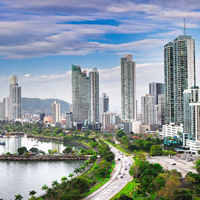
10 Things to Know Before Moving to Panama

Summary: If you're planning a move to Panama, here are 10 things expats living there wish they had known before moving to Panama.
Are you considering an international move to the vibrant and diverse land of Panama? This Central American gem has much to offer expats, from its tropical climate and lush landscapes to its rich culture and thriving communities. But before you pack your bags, there are some essential things you should know. Here are ten tips to help you navigate the possibilities and realities of moving to Panama.
1. Understand the Climate and Seasons
Panama boasts a tropical climate with two main seasons: the dry season and the wet season. The dry season, typically from December to April, is characterized by sunny days and little rainfall. The wet season, from May to November, brings frequent rain showers. It's important to note that humidity is high year-round, which can take some getting used to. Expats often choose to live in the highland areas like Boquete or El Valle, where temperatures are cooler and more comfortable.
2. Explore the Cost of Living
Panama offers a range of living costs depending on the location and lifestyle. While Panama City can be as expensive as any major metropolis, smaller towns and rural areas provide more affordable options. A retiree couple can live comfortably on around $2,000 to $3,000 per month, including rent, utilities, and entertainment. It's worth researching specific areas to find the best fit for your budget and preferences. For instance, Coronado, a beach town near Panama City, offers a mix of affordability and amenities.
3. Familiarize Yourself with Visa Requirements
Panama offers several visa options for expats, including the popular Pensionado (Retiree) Visa, which provides significant discounts on a range of services. The Friendly Nations Visa is another attractive option for those looking to work or start a business. It's crucial to understand the requirements and benefits of each visa type to choose the one that best suits your needs. Consulting with a local immigration lawyer can be very helpful in navigating this process.
4. Learn About the healthcare System
Panama has a robust healthcare system with both public and private options. Many doctors are trained in the U.S., and healthcare costs are generally lower than in North America. Expats often opt for private healthcare, which offers modern facilities and English-speaking staff. It's recommended to have health insurance that covers you in Panama, as some procedures may require upfront payment. Cities like Panama City and David have excellent medical facilities.
5. Get to Know the Local Cuisine
Panamanian cuisine is a delightful blend of indigenous, Spanish, and African influences. Staples include rice, beans, plantains, and seafood. Popular dishes include sancocho (a hearty chicken soup), arroz con pollo (chicken with rice), and ceviche (marinated seafood). Exploring local markets and trying street food is a great way to immerse yourself in the culture. The Mercado de Mariscos in Panama City is a must-visit for seafood lovers.
6. Understand the language and Culture
Spanish is the official language in Panama, and while many locals speak some English, learning basic Spanish will greatly enhance your experience. Panamanians are known for their warmth and hospitality, and efforts to communicate in their language are appreciated. Understanding local customs and traditions, such as the importance of family and the relaxed pace of life, will help you integrate more smoothly into the community.
7. Choose the Right Location
Panama offers a variety of lifestyles, from bustling cities to laid-back beach towns and cool mountain retreats. Panama City is the hub of commerce and culture, while areas like Bocas del Toro and Pedasi cater to those seeking a more relaxed, coastal vibe. Boquete, in the highlands, is popular for its cooler climate and expat community. Visiting different regions before deciding where to settle can provide valuable insights into which area suits you best.
8. Plan for Transportation
Public transportation in Panama is affordable and widely available, with buses and taxis being the most common modes. However, owning a car can provide more flexibility, especially if you live outside major cities. Driving in Panama City can be challenging due to traffic congestion, but smaller towns and rural areas are more navigable. It's worth considering your transportation needs when choosing where to live.
9. Stay Connected
Internet access is generally good in urban areas, with high-speed options available. However, connectivity can be less reliable in rural regions. If you need consistent internet for work or personal use, it's important to research the best providers and plans in your area. Many expats also choose to keep a local cell phone plan to stay connected with friends and family back home.
10. Engage with the Expat Community
Panama has a vibrant expat community that can be a valuable resource for newcomers. Joining local groups, attending social events, and participating in online forums can help you make friends, share experiences, and learn practical tips for living in Panama. Many expats find that these connections make the transition to life in Panama much smoother and more enjoyable.
Moving to Panama can be an exciting adventure filled with new experiences and opportunities. By understanding the climate, cost of living, visa requirements, healthcare system, local cuisine, language, culture, transportation, connectivity, and the expat community, you'll be well-prepared to make the most of your new life in this beautiful country.
Expats talk about Moving to Panama
"Before moving to Panama, it's crucial to understand the visa and residency requirements. Familiarize yourself with the process and prepare for legal procedures such as opening a bank account and obtaining a driver's license. Explore the available housing options to suit various needs and budgets. Learning Spanish is essential, as it's the primary language in Panama. Additionally, research educational opportunities for your children and consider factors like public transportation, safety, and basic infrastructure. Get acquainted with Panama's cultural and recreational offerings to fully enjoy your experience in the country. It's also valuable to explore the recreational and sports options available in Panama. From pristine beaches to outdoor activities like hiking, surfing, and diving, the country offers a wide range of opportunities to enjoy nature and maintain an active lifestyle. Additionally, there is a vibrant sports scene with local and international events that may interest sports enthusiasts," wrote Moises Alvarado N. from Panama Legal Business (PANLEB).
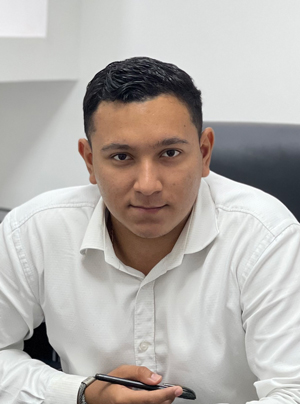
Moisés Alvarado Navarro is an experienced legal advisor in Panama and has assisted numerous foreigners in establishing themselves in Panama.
Click connect to have our partner, Moises, contact you via e-mail and/or phone.
Moisés Alvarado Navarro is an experienced legal advisor in Panama and has assisted numerous foreigners in establishing themselves in Panama.
Click connect to have our partner, Moises, contact you via e-mail and/or phone.
"Rent first before you buy. Your paradise today may not be what you will think in 6 months. Brings essentials and sell everything else, you can get it cheaper here," wrote a member in Bocas del Toro.
"We visited here many times before moving and stayed in different areas each time. There are 13 micro-climates here and they vary greatly. Some roads are not good so that may play into housing decisions too. Temperatures vary, even 5 minutes away can make a big difference. There are also areas that get extremely windy in Jan-Feb. Rent before buying," commented one expat who made the move to Boquete.
"Definitely rent. When you find a short-term rental you really like and you demonstrate to the owner that you can be trusted they will probably let you reserve it a year in advance. That’s what we do, but we are considering the possibility of looking for a yearly lease which might cost about the same as 4-6 months short term. It would have to be a place where the owner lives nearby and can keep an eye on things. The advantage would be that you can furnish it the way you want and keep your stuff there when you are away. As far as I can see that would be cheaper and more convenient than buying," remarked one expat living in Panama.
"Travel as light as you can. Open yourself to the experience of daily life where you land. Don't choose a permanent base-of-operations until you have considered EVERYTHING that is important to you, and that you've been to other areas of Panama. It's a small country with amazing diversity. Give yourself the opportunity to experience the banquet!!!," wrote one member in Panama City.
"So what is it about Panama that makes it such a retirement haven for retirees all over the world, especially American and Canadian retirees? Is it that Panama is one of the safest countries in Central America, or is it the all-year-round tropical climate? Is it the abundance of American expat retirees, or its lucrative senior citizen programs? The answer is, all of the above and more. Panama is one of the few countries that brings almost everything to the table when it comes to a comfortable life for retirees,"
"Before retiring in Panama, consider visa requirements, cost of living, healthcare system, climate, legal and financial aspects, housing options, activities for retirees, and familiarize yourself with the language and local culture. With proper planning, you can enjoy a successful retirement in Panama,"
"When I first developed an interest in moving to Panama the possibility of owning beachfront property was the big attraction. After spending a few years looking around I decided that I would rather not live in a beach community, although I love to be near the ocean and, in fact, have spent much of my life at sea. One of the best things about Panama is that you are never far from the sea. In my opinion the Coronado area is overdeveloped and excessively expensive. The area around Pedasi is much cheaper and less crowded. It appeals to surfers for obvious reasons. There are many islands on the Pacific coast, and they are fun to visit, although it would be quite inconvenient to live there. There are also hundreds of miles of unspoiled mainland coastline that are nearly inaccessible by land. You probably want to be somewhere that has a road to it, which further limits your options. Look at a good map and you will see what is accessible. If you don't see a road it's because there isn't one. There probably won't be any utilities either. I found that there are some significant drawbacks to living close to the beach and few native Panamanians choose to do so unless they are in the fishing business. You should look for yourself, though, and after visiting Coronado and Pedasi you might look at Las Lajas, Boca Chica, Puerto Armuelles, and the Boca del Toros archipiélago on the Caribbean coast. They're all beautiful in their own way but don't forget to look at the negative aspects including weather, services, access, and increased maintenance requirements. If you find a place you love you should rent for at least a year before you consider buying anything," commented one expat who made the move to Panama.
"Do not be surprised by the most modern technological society living in a first class environment," remarked one expat living in Panama City.
"We see service dogs all the time here in Panama City in the malls, restaurants and bars. They accept them inside and some even offer them a water dish," wrote one member in Panama.
"People move to Panama for its dynamic economy, job opportunities, attractive retirement program, warm climate, diverse natural environment, political and economic stability, ease of settling in, developed infrastructure, ease of doing business, ample investment opportunities, and accessible financial market," wrote Moises Alvarado N. from Panama Legal Business (PANLEB).
Moisés Alvarado Navarro is an experienced legal advisor in Panama and has assisted numerous foreigners in establishing themselves in Panama.
Click connect to have our partner, Moises, contact you via e-mail and/or phone.
Moisés Alvarado Navarro is an experienced legal advisor in Panama and has assisted numerous foreigners in establishing themselves in Panama.
Click connect to have our partner, Moises, contact you via e-mail and/or phone.
"Panama is a popular destination for expats looking to move overseas. It offers a high quality of life, US Dollar as currency, favorable tax laws, tropical climate, multiple immigration programs catering to any profile, first world healthcare, top education options, low cost of living and welcoming locals, among other things,"
About the Author
 Joshua Wood, LPC joined Expat Exchange in 2000 and serves as one of its Co-Presidents. He is also one of the Founders of Digital Nomad Exchange. Prior to Expat Exchange, Joshua worked for NBC Cable (MSNBC and CNBC
Primetime). Joshua has a BA from Syracuse and a Master's in Clinical and Counseling Psychology from Fairleigh Dickinson University. Mr. Wood is also a licensed counselor and psychotherapist.
Joshua Wood, LPC joined Expat Exchange in 2000 and serves as one of its Co-Presidents. He is also one of the Founders of Digital Nomad Exchange. Prior to Expat Exchange, Joshua worked for NBC Cable (MSNBC and CNBC
Primetime). Joshua has a BA from Syracuse and a Master's in Clinical and Counseling Psychology from Fairleigh Dickinson University. Mr. Wood is also a licensed counselor and psychotherapist.
Some of Joshua's articles include Pros and Cons of Living in Portugal, 10 Best Places to Live in Ireland and Pros and Cons of Living in Uruguay. Connect with Joshua on LinkedIn.
Additional Information:
- Panama Guide
- Healthcare & Health Insurance in Panama
- Members Talk about Healthcare & Health Insurance in Panama
- Best Places to Live in Panama
- Real Estate in Panama
- Guide to Real Estate in Panama
- Pros & Cons of Living in Panama
- Cost of Living in Panama
- 5 Great Places to Retire in Central America
- 2026 Guide to Living in Panama
- Pros and Cons of Living in Panama 2026
- 2026 Guide to Moving to Panama
- More Advice about Retiring in Panama
- Members Talk about the Cost of Living in Panama