Educational System in Canada


Summary: The one tip that you hear expats living in Canada repeatedly sharing with newcomers is not to buy a home when you first move to Canada. Rent for a few months or longer so that you have time to find the right neighborhood. Give yourself time to ensure that Canada is right for you for the long term. If you've already taken time to do those things and are ready to take the plunge and become a property owner, here are tips about buying a home in Canada.
Canada's educational system is renowned for its quality and inclusivity, offering a range of options to suit diverse needs. It is primarily governed by individual provinces and territories, leading to slight variations in structure and content across the country. Understanding the educational landscape is essential for expats moving to Canada with school-aged children. This guide provides an overview of the Canadian school system, enrollment procedures, language support, school types, and homeschooling options.
What are the main stages of education in Canada and what are the names of those stages?
The Canadian education system is broadly divided into four main stages: Early Childhood Education (Pre-school or Kindergarten), Primary Education (Elementary School), Secondary Education (High School), and Post-Secondary Education (College, University, or Technical Institutions). These stages cater to children from age 4 to 18, with post-secondary options available for adults.
Early Childhood Education
Early Childhood Education in Canada includes pre-school and kindergarten, serving children aged 4 to 5. While pre-school is not mandatory, kindergarten is compulsory in most provinces. This stage focuses on socialization, basic academic concepts, and creative play to foster early development.
Primary Education (Elementary School)
Primary Education, or Elementary School, caters to students from Grade 1 to Grade 6 (ages 6 to 11). This stage emphasizes foundational skills in literacy, numeracy, science, social studies, arts, and physical education. Some schools may offer French immersion programs.
Secondary Education (High School)
Secondary Education, commonly known as High School, serves students from Grade 7 to Grade 12 (ages 12 to 18). The curriculum includes a broad range of subjects, with students specializing in specific areas as they progress. High school culminates in a diploma, with options for academic, applied, or vocational streams.
How does a newcomer from a different country enroll their kids in school?
To enroll their children in a Canadian public school, expats should contact their local school board. The enrollment process typically involves submitting proof of residency, the child's birth certificate or passport, immunization records, and any available school transcripts. Some school boards may have specific programs or welcome centers for newcomers.
My children are still learning English/French, can they enroll in a public school?
Yes, children learning English or French can enroll in Canadian public schools. Most school boards offer English as a Second Language (ESL) or French as a Second Language (FSL) programs to support newcomers. These programs provide language support and cultural integration assistance.
Are there public bilingual schools?
Yes, there are public bilingual schools in Canada, primarily offering English and French instruction. These schools operate in various provinces, with higher concentrations in Quebec, Ontario, and New Brunswick. Admission policies vary by province and school board, with some offering open enrollment and others requiring specific eligibility criteria.
What types of private schools are common in Canada?
Common types of private schools in Canada include independent schools, faith-based schools (such as Catholic or Islamic schools), international schools, Montessori schools, and boarding schools. These institutions may offer unique programs, smaller class sizes, or specialized instruction.
Do expats typically send their children to public or private school? How expensive are Private schools in Canada?
Expats in Canada send their children to both public and private schools, depending on personal preferences and circumstances. Public schools are free and offer quality education, while private schools charge tuition fees. Private school costs vary widely, ranging from CAD 4,000 to CAD 60,000 per year, with boarding schools and international schools at the higher end.
Are you allowed to homeschool while living in Canada?
Yes, homeschooling is allowed in Canada, with each province and territory having its own regulations. Parents must notify their local school board or the relevant ministry of education and may need to submit an educational plan. Some provinces offer resources and support for homeschooling families.
May kids attend online school instead of a local school while living in Canada?
Yes, children in Canada can attend online schools, either through publicly funded virtual schools or private online institutions. Online schooling can be a suitable alternative for families who prefer flexibility, have unique scheduling needs, or live in remote areas. The quality and availability of online schools vary by province.
About the Author
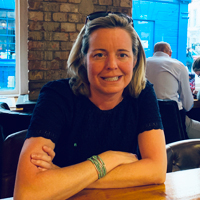 Betsy Burlingame is the Founder and President of Expat Exchange and is one of the Founders of Digital Nomad Exchange. She launched Expat Exchange in 1997 as her Master's thesis project at NYU. Prior to Expat Exchange, Betsy worked at AT&T in International
and Mass Market Marketing. She graduated from Ohio Wesleyan University
with a BA in International Business and German.
Betsy Burlingame is the Founder and President of Expat Exchange and is one of the Founders of Digital Nomad Exchange. She launched Expat Exchange in 1997 as her Master's thesis project at NYU. Prior to Expat Exchange, Betsy worked at AT&T in International
and Mass Market Marketing. She graduated from Ohio Wesleyan University
with a BA in International Business and German.
Some of Betsy's articles include 12 Best Places to Live in Portugal, 7 Best Places to Live in Panama and 12 Things to Know Before Moving to the Dominican Republic. Betsy loves to travel and spend time with her family. Connect with Betsy on LinkedIn.
Additional Information:
- Canada Guide
- Healthcare & Health Insurance in Canada
- Members Talk about Healthcare & Health Insurance in Canada
- Best Places to Live in Canada
- Real Estate in Canada
- Guide to Real Estate in Canada
- Pros & Cons of Living in Canada
- Cost of Living in Canada
- Having a Baby in Canada
- Health Insurance in Canada
- Best Places to Visit in Canada for Christmas Cheer
- Christmas in Canada
- 2026 Guide to Living in Canada
- Pros and Cons of Living in Canada 2026