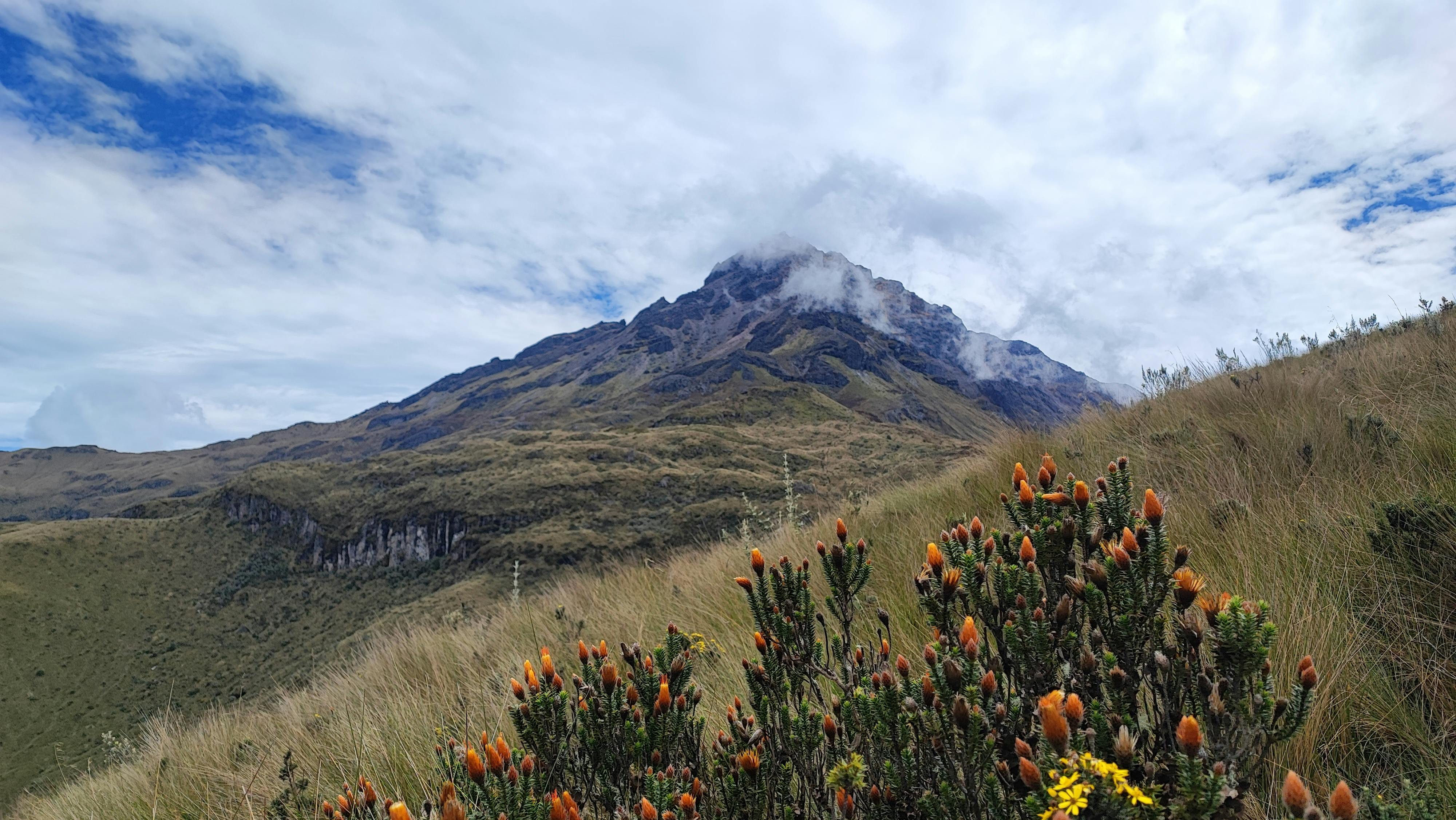
Culture Shock in Ecuador


Summary: If you're planning a move to Ecuador, or have recently settled there, it's natural to encounter some culture shock as you adjust to your new surroundings. Our insightful article is designed to help you navigate this transition smoothly. It offers practical tips and draws on the experiences of fellow expats who have successfully embraced the cultural nuances of Ecuador.
Moving to Ecuador can be an exciting adventure, but it's important to be prepared for the cultural differences and potential culture shock that await. This South American nation is a vibrant mix of indigenous, Spanish, and Afro-Ecuadorian influences, which can take some time to navigate. Whether you're still considering making the move or have already arrived, understanding the various aspects of culture shock can help make your transition smoother. Let's dive into the key areas you should be aware of.
1. Phases of Culture Shock for Newcomers in Ecuador
Culture shock typically happens in stages. Initially, you might experience a honeymoon phase where everything feels exciting and new. Ecuador's lush landscapes, warm climate, and friendly people can make this phase particularly enjoyable. However, this is often followed by a frustration phase where the differences in culture, language, and daily life start to cause stress. Small things like navigating public transportation or understanding local customs can become overwhelming. Eventually, you'll reach the adjustment phase, where you start to feel more comfortable and can appreciate the cultural differences. Finally, the acceptance phase is when you fully embrace your new life in Ecuador.
2. language Barriers and Learning Spanish
Ecuador's official language is Spanish, and while English is spoken in tourist areas, you'll encounter significant challenges if you're still learning the language. Basic tasks like grocery shopping or asking for directions can become difficult. However, Ecuadorians are generally patient and helpful, making it a good environment to practice and improve your Spanish. Consider enrolling in language classes or using language learning apps to accelerate your progress. Engaging with locals in everyday conversations will also boost your confidence and fluency.
3. Top 5 Cultural Faux Pas Expats Make in Ecuador
Navigating a new culture can be tricky, and making mistakes is part of the learning process. Here are some common cultural faux pas to avoid:
- Greetings and Goodbyes: Ecuadorians value personal relationships and greetings are important. A simple "Hola" might not be enough; consider using "Buenos días" or "Buenas tardes" for a more respectful interaction.
- Punctuality: Time is perceived differently in Ecuador. Being a few minutes late for social events is generally acceptable, but punctuality is expected in business settings.
- Dress Code: Dressing modestly is important, especially in professional and formal settings. Avoid wearing shorts, flip-flops, or revealing clothing in these contexts.
- Tipping: Tipping is not mandatory in Ecuador, but a small tip for good service is appreciated. Over-tipping can be seen as excessive and unnecessary.
- Respect for Elders: Elders are highly respected in Ecuadorian culture. Be polite and deferential to older individuals, and always address them with respect.
4. Advice from Expats Living in Ecuador
Expats who have successfully navigated culture shock in Ecuador often share valuable insights. One common piece of advice is to embrace the slower pace of life. Ecuadorians value quality time with family and friends, and rushing through tasks is not the norm. Another tip is to stay open-minded and flexible. Cultural differences can be surprising, but being willing to adapt and learn can make the experience more enjoyable.
An expat who has been living in Quito for several years shared an anecdote about her initial struggles with the language. She found that locals were incredibly patient and helpful, often going out of their way to assist her. She recommends practicing Spanish daily and not being afraid to make mistakes. Another expat in Cuenca mentioned the importance of connecting with the local community. Joining local clubs, volunteering, or participating in cultural events can provide a deeper understanding of Ecuadorian culture and help build a support network.
A common theme among expats is the value of immersing oneself in the culture. This means trying local foods, attending festivals, and engaging in traditions. One expat in Guayaquil found that participating in local celebrations like the Fiestas de Guayaquil helped her feel more connected to the community. She also emphasized the importance of learning about local customs and history, which can provide context for cultural practices.
5. Embracing Cultural Differences
Living in Ecuador means embracing a culture that is rich in tradition and diversity. From the vibrant markets of Otavalo to the tranquil beaches of the coast, each region has its unique charm. Understanding and appreciating these differences can enrich your experience. For example, the Andean region has a strong indigenous influence, while the coastal areas have a more laid-back, beach culture. Being aware of these regional differences can help you navigate social interactions and cultural expectations.
One aspect of Ecuadorian culture that can be a pleasant surprise is the emphasis on family and community. Family gatherings are frequent and often involve large, multi-generational groups. This can be a great opportunity to build relationships and learn more about the local way of life. Additionally, Ecuadorians are known for their hospitality, and it's not uncommon to be invited to a family dinner or celebration.
6. Coping with Culture Shock
Feeling overwhelmed by culture shock is normal, but there are strategies to help you cope. Maintaining a routine can provide a sense of stability amidst the changes. Whether it's a daily walk, a regular coffee shop visit, or a weekly language class, having a routine can make the transition smoother. Another helpful strategy is finding a support network. Connecting with other expats who have gone through similar experiences can provide valuable insights and emotional support.
It's also important to practice self-care. This can include activities like yoga, meditation, or simply taking time for yourself. Engaging in hobbies or interests that you enjoyed in your home country can also help maintain a sense of continuity. Additionally, staying connected with friends and family back home can provide a sense of comfort and familiarity.
In conclusion, moving to Ecuador can be a transformative experience, but it's essential to be prepared for the cultural differences and potential culture shock. By understanding the various phases of culture shock, being aware of common cultural faux pas, and embracing the local culture, you can make your transition smoother and more enjoyable. The advice from expats who have navigated this journey can provide valuable insights and help you make the most of your new life in Ecuador.
"Labels are so easy ~ being an expatriate is very far from one size fits all ~ Stages? Sure, but they aren't all shaped the same way. Just as there are a myriad number of reasons why someone moves abroad, there is an equal or greater number of stages I am sure," said one expat living in Anconcito.
"Not too much as I have moved to many places throughout my life and am easily adaptable. I pretty much knew what I was getting into," wrote a member in Bahia de Caraquez.
"Lots of wonderful historical stuff, tons of holidays here, religious and historical, all celebrated to the max in different ways. Indigenous activities and celebrations. We have not even started on expat stuff because my hubby is Ecuadorian and has youngish cousins here in 30s. They always have plans to go and do things," said one expat living in Ecuador.
"Still working on that one as I do not care for this town I am living in and is much more primitive than cities," wrote a member in Bahia de Caraquez.
"Ecuador is a better place to learn Spanish. In Spain they want to practice their English. In Ecuador they mostly don't speak English. Read up on the Inca empire and its encounter with the Spanish in the 16th century. Some of the roads you'll travel in Ecuador were Inca trails 700 years ago," commented one expat who made the move to Vilcabamba.
"On the whole I have experienced the Ecuadorians to be honest. As a people they are culturally extremely polite. In my estimation they rivel the French with their protocols of politeness. "Buenos días, "Buenas tardes," "buenas noches, " "Saludos." If you don't greet someone, they feel slighted. And they address you by title, "don Ernesto". "doña Maria". o "mi señora linda". which is something we would never dare say in the north "my pretty lady."," remarked one expat living in Cotacachi.
"Although scrupulously polite, I have not found the Ecuadorian people to be particularly friendly or outgoing. And they are extremely protective of their privacy. Which is why they often live behind eight-foot-high walls with wire or broken bottles on top. Whether the fear is justified or not I can't say, but it seems to infect most everyone. It is very unusual to invite someone into your home, or to be invited. Mostly, in my experience (only one opinion mind you) socializing is done within the family, not by getting together with friends to tell stories and share meals. That is one difference I find really hard to take. And they love noise. They honk, they put a big speaker outside each store and blast music assuming that everyone wants to hear. To me it is a form of polution, pure and simple. Give me quiet any day," commented an expat living in Cotacachi.
"Not knowing the language and the fact that especially in this part of Ecuador, they talk extremely FAST!," said an expat in Bahia de Caraquez.
About the Author
 Joshua Wood, LPC joined Expat Exchange in 2000 and serves as one of its Co-Presidents. He is also one of the Founders of Digital Nomad Exchange. Prior to Expat Exchange, Joshua worked for NBC Cable (MSNBC and CNBC
Primetime). Joshua has a BA from Syracuse and a Master's in Clinical and Counseling Psychology from Fairleigh Dickinson University. Mr. Wood is also a licensed counselor and psychotherapist.
Joshua Wood, LPC joined Expat Exchange in 2000 and serves as one of its Co-Presidents. He is also one of the Founders of Digital Nomad Exchange. Prior to Expat Exchange, Joshua worked for NBC Cable (MSNBC and CNBC
Primetime). Joshua has a BA from Syracuse and a Master's in Clinical and Counseling Psychology from Fairleigh Dickinson University. Mr. Wood is also a licensed counselor and psychotherapist.
Some of Joshua's articles include Pros and Cons of Living in Portugal, 10 Best Places to Live in Ireland and Pros and Cons of Living in Uruguay. Connect with Joshua on LinkedIn.
Additional Information:
- Ecuador Guide
- Healthcare & Health Insurance in Ecuador
- Members Talk about Healthcare & Health Insurance in Ecuador
- Best Places to Live in Ecuador
- Real Estate in Ecuador
- Guide to Real Estate in Ecuador
- Pros & Cons of Living in Ecuador
- Cost of Living in Ecuador
- How to Buy a Home in Ecuador
- Pros and Cons of Living in Ecuador
- Chikungunya Disease in Ecuador
- Zika Virus in Ecuador
- 2026 Guide to Living in Ecuador
- Pros and Cons of Living in Ecuador 2026
- 2026 Guide to Moving to Ecuador