
12 Best Places to Live in Spain (2026 Update)


Summary: Updated for 2026, this guide shares expat experiences and recommendations across 12 of the best places to live in Spain — from Barcelona, Madrid, and Valencia to coastal favorites like Costa Blanca, Malaga, and Marbella, the island of Mallorca, and northern picks like San Sebastian and Oviedo. Each section covers climate, costs, and lifestyle, with practical context on Spain's Digital Nomad Visa and the Beckham Law tax regime for new expats.
Expats living in Spain have a lot of advice to offer others about the best places to live in Spain. Whether you're looking to be in the heart of the action in Madrid or Barcelona or in a smaller city by the coast like San Sebastian, Spain has a place for everyone. Here are the 12 best places to live according to our members:
Spain has become one of the most accessible relocation destinations in Europe for non-EU expats in recent years. The country's Digital Nomad Visa, launched in 2023, allows qualifying remote workers and freelancers to live in Spain for up to a year (renewable up to five years) and includes access to the Beckham Law tax regime, which caps income tax at a flat 24% for qualifying new residents during their first six years. Property purchases and residency applications both involve specific Spanish legal procedures that most foreign buyers find easier to navigate with local counsel — for help with residency, property purchases, and the Beckham Law, our partner Luxton Legal assists expats with conveyancing and immigration matters across Spain.
- Barcelona
- Madrid
- Valencia
- Almeria
- Seville
- Costa Blanca
- Granada
- San Sebastian
- Malaga
- Oviedo
- Mallorca
- Marbella
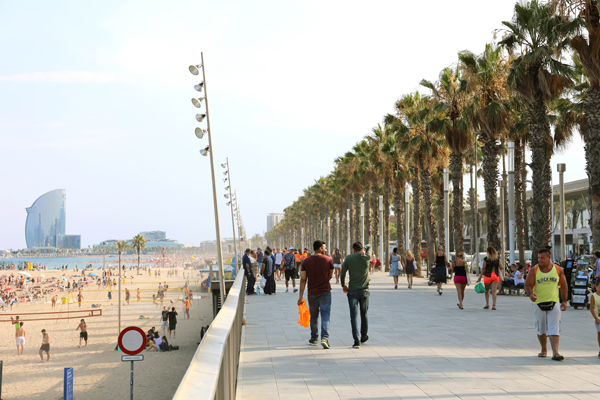 Barceloneta Beach is the oldest and most famous beach in Barcelona
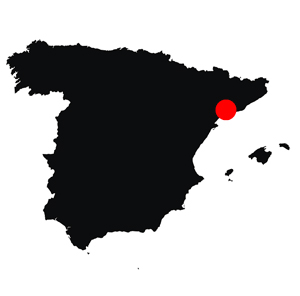
Barcelona is the capital of Catalonia and Spain's second-largest city, layering Gaudí's Modernisme architecture, a Mediterranean beachfront, and a dense walkable urban grid into a single compact metro. Costs run higher than most of Spain — particularly for housing in central neighborhoods like Eixample, Gràcia, and the Gothic Quarter — but the city remains meaningfully cheaper than comparable European capitals like Paris or Amsterdam. El Prat Airport is one of southern Europe's major international hubs, and the metro and regional rail network make car-free living realistic across the entire metro area. The expat community is one of the largest and most diverse in Europe, with strong international school options, English-speaking healthcare, and a substantial digital nomad scene.
When we asked expats in Barcelona about what they like and dislike about life in Barcelona, one replied, "Wow, the culture is quite diverse (many subcultures) here but Catalan culture is impressive because values quality food, books, time with family and friends while in the U.S. most people only care about accumulating capita." Another added, "Some of the things that frustrated me are now what I appreciate. I enjoy the conversation I have with the people at the fruit store or the post office while I am waiting in line. I like the reliance on our own two feet and not using the car. I appreciate that the family is VERY important and everyone takes off Sunday to spend time with them." Another member wrote, "Barcelona is great if you can party and sunbathe all the time and not worry about work and earning a good salary. Choosing a neighbourhood depends on the kind of lifestyle you want to live - Barcelona is one of the most densly populated cities in Europe so negative side is noise, pollution and small living spaces. Plus side is you can walk everywhere and always plenty of places to go out and eat and shop. Suburbs are quieter but more expensive, the wealthier Catalans choose to live in the hills looking down on the city (and the smog)."
If you're moving to Barcelona with kids, our article, International Schools in Barcelona, offers an overview of the most popular International, American and British schools in Barcelona. Included are American School of Barcelona, Kensington School, The British School of Barcelona, St. George School, Barcelona High School, St. Peter's School, Benjamin Franklin International School and Oak House School in Barcelona.
Learn more about living in Barcelona in our Barcelona Guide.
 CitizenM
Learn More
It's impossible to confuse citizenM with any other hotel. We don't look or sound like anyone else. Bold, vibrant, and artistic - that's us. Our rooms cater to modern travelers - enormous ultra-comfortable beds, unlimited free Wi-Fi and 24/7 food and drinks always waiting at canteenM. And best of all, our ambassadors are every guest's best friend.
CitizenMIt's impossible to confuse citizenM with any other hotel. We don't look or sound like anyone else. Bold, vibrant, and artistic - that's us. Our rooms cater to modern travelers - enormous ultra-comfortable beds, unlimited free Wi-Fi and 24/7 food and drinks always waiting at canteenM. And best of all, our ambassadors are every guest's best friend.
Learn More
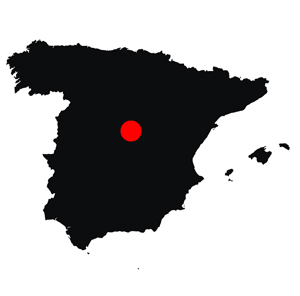
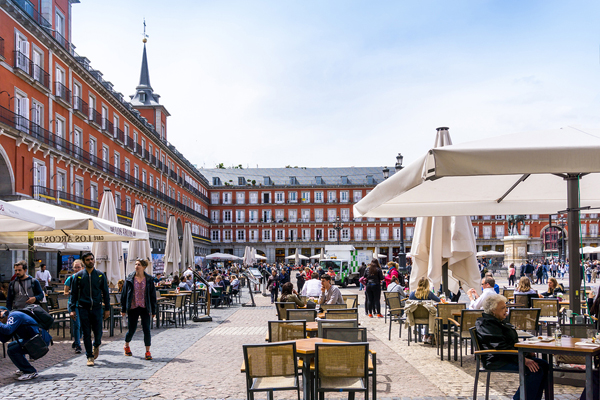
Madrid is Spain's capital and largest city, the country's political, financial, and cultural center, and the rare European capital that's neither coastal nor built on a major river — sitting almost exactly in the geographic center of the Iberian Peninsula. The city is denser with world-class museums than perhaps anywhere outside Paris (the Prado, Reina Sofía, and Thyssen-Bornemisza form the so-called Golden Triangle of Art), while its tapas culture and late-night social rhythm remain genuinely unlike anywhere else in Europe. Costs run high by Spanish standards but lower than Barcelona for comparable neighborhoods. Barajas Airport is Iberia's main hub with global connections, and Madrid's metro is one of the most extensive in Europe — comfortable car-free living is the default rather than the exception.
When we asked expats about the pros and cons of living in Madrid, one replied, "Love Madrid and ease of using metro. Food and wine so cheap!!!! Eating out tapas was great cheap way to have a meal. Loved having my light breakfast in taverns in morning.what a interesting way to start day . Cons: cost of apartment rent." Another wrote, "We love Madrid, it has been more open than a lot cities during COVID times. Food is great, museums are open and public transportation is wonderful. I love I can walk my dog and see people walking and eating. I walk a lot more than in the US, I don t have a car and love it. I want to find a place in the US where where I can walk to many restaurants and stores. I feel safe, I see a lot of police around. The winter was cold, I would prefer a warmer climate."
Learn more about living in Madrid in our Madrid Guide.
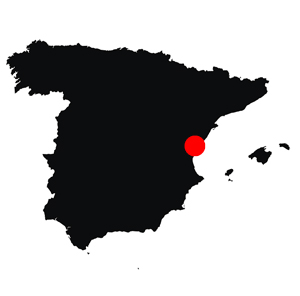
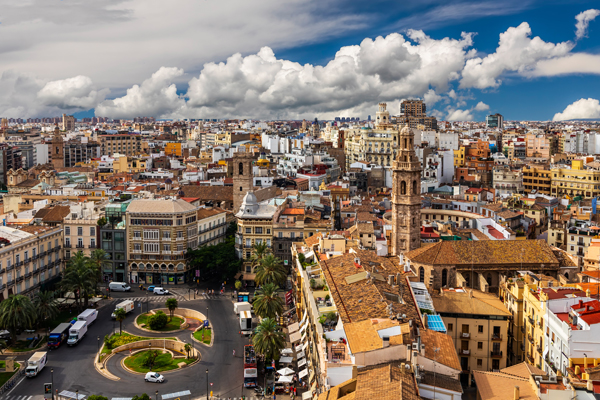
Valencia sits on Spain's central Mediterranean coast and has become, by a notable margin, the most talked-about expat destination in Spain in recent years. The city consistently ranks at the top of international "best cities for expats" surveys, drawing residents who want Barcelona's beach-and-city combination at meaningfully lower cost and with less tourist density. The compact historic center is walkable; the Turia gardens — a 9-kilometer linear park built in the dry riverbed that once flowed through the city — provide green space that few European cities can match; and the City of Arts and Sciences gives Valencia a striking modern architectural anchor. Manises Airport handles direct European flights, and high-speed rail reaches Madrid in under two hours.
"Valencia is a nice city - 1.5 million people, 3rd largest in Spain - but it has a small town feel because of the various neighborhoods. And the old town is small and walkable," described one member. "Lifestyle in Valencia is about family, friends and enjoying the Mediterranean lifestyle," commented one expat in Valencia. When a newcomer asked about Valencia's LGBTQ+ community, another member replied, "As an LGBTQ+ person myself, I found the tolerance and acceptance in Valencia was very accommodating, with lots of social groups to support meeting new folks. It's a small, but active, community."
Learn more about Valencia in our Valencia Guide.
 BlueCross BlueShield Global Solutions
Get Quote
BlueCross BlueShield Global Solutions (BCBS) offers global health plans for international assignments or trips lasting 6 months or longer. With access to over 1.7M medical providers in 190 countries around the world, BCBS provides members with solutions and industry-leading digital services - ensuring top-quality coverage to people who live, work, study and travel internationally.
BlueCross BlueShield Global SolutionsBlueCross BlueShield Global Solutions (BCBS) offers global health plans for international assignments or trips lasting 6 months or longer. With access to over 1.7M medical providers in 190 countries around the world, BCBS provides members with solutions and industry-leading digital services - ensuring top-quality coverage to people who live, work, study and travel internationally.
Get Quote
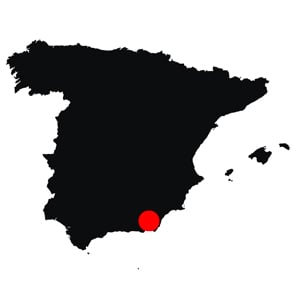
4. AlmeriaPopulation: Approximately 200k Climate: 60s from November through March and 70s to upper 80s April through OctoberLocation: Coastal, Southeast Spain, Andalucia |
|
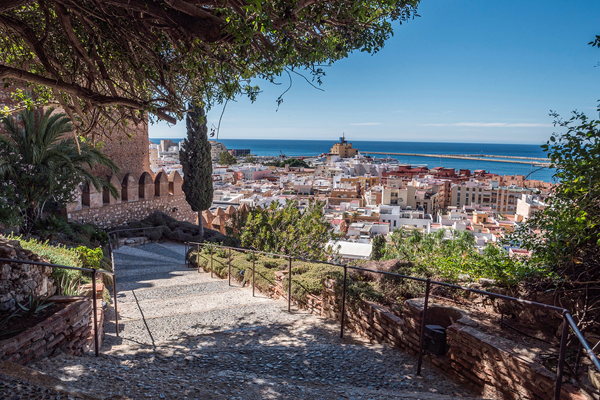
Almería sits at the eastern edge of Andalusia, the driest corner of mainland Spain, and remains one of the country's most underrated coastal regions for expats — affordable, sunny year-round, and meaningfully less crowded than the Costa del Sol just west of it. The province includes the Cabo de Gata-Níjar natural park, one of the most striking protected coastlines in the Mediterranean, alongside whitewashed inland villages and a small but growing expat presence in towns like Mojácar, Vera, and Roquetas de Mar. Almería city offers an international airport with seasonal European routes and a working port, while costs across the province — for both property and daily living — run substantially lower than Spain's better-known coastal regions.
"It would be well worth a visit to the Almeria province, which is down on the South Coast and still part of the autonomous region of Andalucia. My partner and I have lived here for nearly 14 years and haven't looked back. We travelled all around the coast of Spain and constantly came back to this area which is less developed and still has a great air of friendliness and is strikingly beautiful. It is also a lot cheaper in terms of buying a house and the too," wrote one expat in Almeria. Almeria in particular is still a very affordable area which is not over run with expats," wrote one member. Another advised others to "hire a car, tour the area and find the village or town that appeals to you most. Find a good Spanish registered SL or SA estate agency... and spend three days looking at houses in the area of your choice. Make sure that you have a car or access to one because in rural Spain it is essential to have transport."
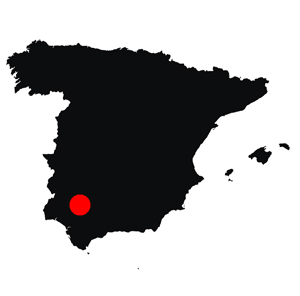
5. SevillePopulation: Approximately 680k Climate: 60s and 70s from October through April and reaches the high 90s in July and AugustLocation: Inland, Southwest Spain |
|
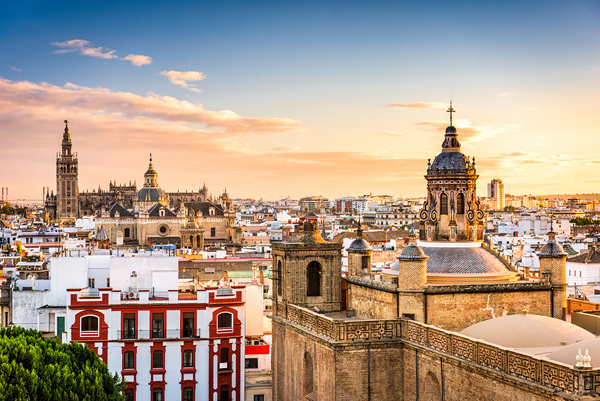
Seville is the capital of Andalusia and the cultural heart of southern Spain, an inland city built along the Guadalquivir River whose Moorish architecture, flamenco tradition, and Holy Week processions give it a distinctive identity that doesn't blur into the broader Spanish coastal experience. The historic center is one of the largest in Europe, anchored by the Cathedral, the Real Alcázar, and the labyrinthine Santa Cruz and Triana neighborhoods. Costs run lower than Madrid or Barcelona for comparable apartment sizes, and the city's small-airport connections to European hubs are supplemented by high-speed rail that reaches Madrid in under three hours. The major adjustment for newcomers is the summer heat — July and August routinely exceed 100°F — but the rest of the year is mild and reliably sunny.
Seville is the capital and largest city of Andalucia and lies on the plain of the river Guadalquivir. An expat who had lived in Seville wrote "In terms of American networks, there are a good percentage of Americans living in Seville, mostly students, but some expats as well. I know there is an American Women's Club with a branch in Seville." One expat added that "in Seville I used to live in Triana and Los Remedios. The later is more stylish and you can find all prices of apartments there."
Learn more about Seville in our Seville Guide.
CitizenM
It's impossible to confuse citizenM with any other hotel. We don't look or sound like anyone else. Bold, vibrant, and artistic - that's us. Our rooms cater to modern travelers - enormous ultra-comfortable beds, unlimited free Wi-Fi and 24/7 food and drinks always waiting at canteenM. And best of all, our ambassadors are every guest's best friend.
CitizenM
It's impossible to confuse citizenM with any other hotel. We don't look or sound like anyone else. Bold, vibrant, and artistic - that's us. Our rooms cater to modern travelers - enormous ultra-comfortable beds, unlimited free Wi-Fi and 24/7 food and drinks always waiting at canteenM. And best of all, our ambassadors are every guest's best friend.
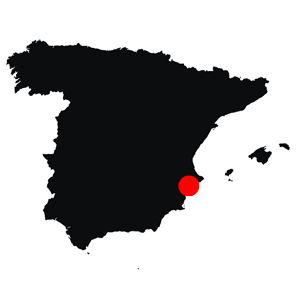
6. Costa BlancaPopulation: Approximately 680k Climate: 60s and 70s from October through April and reaches the high 90s in July and AugustLocation: 200km Coastal Region, Southeastern Spain |
|
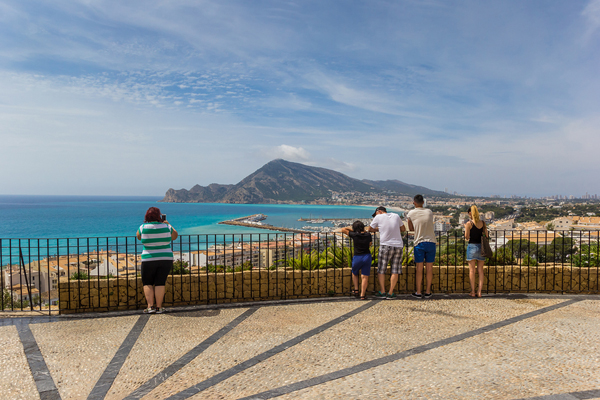
The Costa Blanca stretches roughly 200 kilometers along Spain's southeastern Mediterranean coast in the province of Alicante, and is one of the most established expat regions in Europe — particularly for British, Northern European, and increasingly American retirees. The region's mild winters and the World Health Organization's longstanding recognition of its climate as among the healthiest in the world have made it a default choice for retirement-driven relocations. Alicante anchors the south of the region with its international airport, while Denia, Jávea, Moraira, and Calpe to the north form an established expat belt with English-language services and well-developed infrastructure. Property prices remain meaningfully lower than Spain's larger cities and most of the Costa del Sol.
Costa Blanca is another area popular with expats. A realtor who offered advice to expats wrote the following about Costa Blanca: "Costa Blanca enjoys a typical Mediterranean climate, with cool sea breezes in summer and protection by surrounding mountains against the cold North winds in winter." He also wrote that the WHO cites "the area is one of the most equitable in the world, so, anyone with health issues can be reassured that with this consistent and attractive weather they will be very comfortable in this environment."
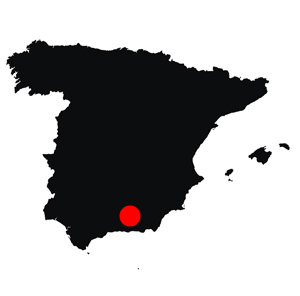
7. GranadaPopulation: Approximately 230k Climate: 50s and 60s November through April, 70s to mid 90s May through OctoberLocation: Inland (1 hr from coast), Foot of the Sierra Nevada mountain range |
|
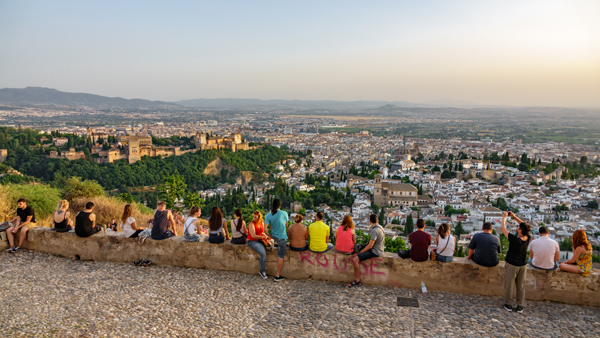
Granada sits at the foot of the Sierra Nevada in inland Andalusia, offering the rare Spanish combination of skiing 45 minutes away and Mediterranean beaches roughly an hour south. The city is dominated visually and culturally by the Alhambra — the Moorish palace complex that is Spain's most-visited UNESCO World Heritage site — and the labyrinthine Albaicín old quarter that climbs the hillside opposite it. Granada is a university city, which gives it a young energy, a remarkably affordable cost of living, and the lingering Andalusian tradition of free tapas with every drink ordered. healthcare in the city is solid, crime rates are low, and the layered Moorish, Christian, and Romani cultural influences give Granada a depth that few Spanish cities match.
Granada's wonderful climate, low cost of living, location (45 minutes from skiing, 1 hour from the beach), good hospitals and very low crime rate make it a destination to add to your living if you're thinking about moving to Spain. When asked why you chose to live in Granada, one member wrote, "There are several reasons - climate, cost of living (it is very cheap to live in Granada), location (access to ski resort in 45 min by bus, and to the beach in an hour), plenty of historical sites to see, plenty of cultural things to do (theater, music, dance, churches, cultural events). Because it's also a university town and has two of UNESCO world Heritage sites."
Learn more about Granada in our Granada Guide.
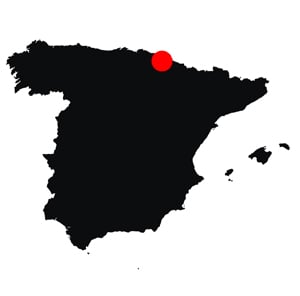
8. San SebastianPopulation: Approximately 185k Climate: Cooler with temps in the 50s in the winter months to the low 70s in summer monthsLocation: Coastal, 20km from French border, Bay of Biscay |
|

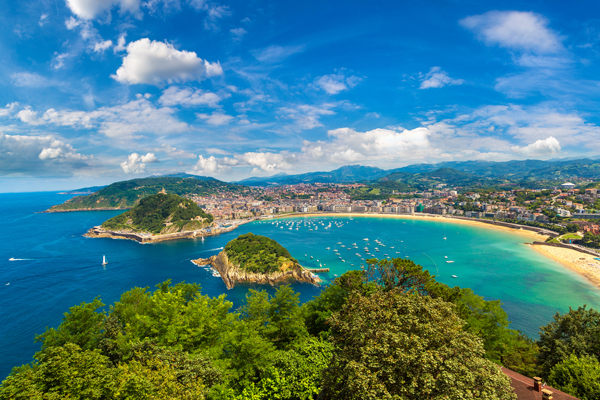
San Sebastian — Donostia in Basque — sits on the Bay of Biscay just 20 kilometers from the French border and is widely regarded as one of the most beautiful small cities in Europe. The crescent-shaped La Concha beach, the Belle Époque architecture along the waterfront, and the medieval Parte Vieja old town give San Sebastian a visual character closer to a French coastal resort than to the rest of Spain. The city is also a global culinary destination — the per-capita concentration of Michelin stars is among the highest in the world — and the pintxos (Basque tapas) culture is a defining feature of daily life. Costs are high by Spanish standards, competing with Barcelona and Madrid for the most expensive housing in the country.
San Sebastian is also known as Donostia-San Sebastian because it is in the Donostia (aka Basque) region of Spain. San Sebastian lies on the Bay of Biscay and is only 20km from the French border. People love San Sebastians cooler climate and beautiful beaches. "San Sebastian is a great place and quite possibly the most beautiful small city in Europe. It's important however to either have a good job set up before you get here or barrels of money as San sebastian vies with Barcelona and Madrid as being Spain's most expensive city, especially as regards housing. Most socializing is done outside the home (in bars, restaurants, clubs). Take part in activities such as sailing courses, cineclubs, sports clubs, language classes. learn a bit of Basque at a Basque language school - the local people will appreciate you making the effort and it's a good way of meeting people," advised one member in San Sebastian.
Learn more about San Sebastian in our San Sebastian Guide.
CitizenM
It's impossible to confuse citizenM with any other hotel. We don't look or sound like anyone else. Bold, vibrant, and artistic - that's us. Our rooms cater to modern travelers - enormous ultra-comfortable beds, unlimited free Wi-Fi and 24/7 food and drinks always waiting at canteenM. And best of all, our ambassadors are every guest's best friend.
CitizenM
It's impossible to confuse citizenM with any other hotel. We don't look or sound like anyone else. Bold, vibrant, and artistic - that's us. Our rooms cater to modern travelers - enormous ultra-comfortable beds, unlimited free Wi-Fi and 24/7 food and drinks always waiting at canteenM. And best of all, our ambassadors are every guest's best friend.
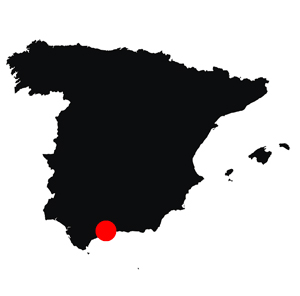
9. MalagaPopulation: Approximately 575k Climate: Cooler with temps in the 60s in the winter months to the upper 80s in summer monthsLocation: Coastal, Costa del Sol, Port City |
|
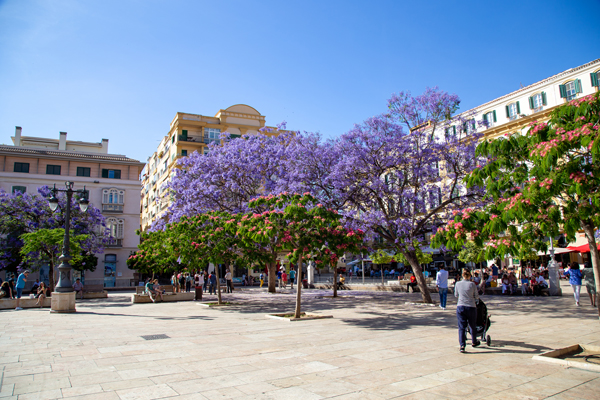
Malaga is the capital of the Costa del Sol and one of Spain's most transformed cities of the past two decades, having reinvented itself from a workaday port into a genuine cultural destination anchored by the Picasso Museum (Picasso was born in Malaga), the Pompidou outpost, and a substantially redeveloped historic center. Malaga's airport is one of Spain's busiest, with direct flights to most major European cities and frequent transatlantic connections — a meaningful advantage for expats with regular international travel. The high-speed AVE rail connects to Madrid in 2.5 hours and Barcelona in roughly six. Costs are notably lower than Barcelona and Madrid, and the climate — with one of the mildest winters on the Spanish mainland — is a year-round draw.
"I came over four years in a row and explored a handful of places before deciding on Malaga. I didn't just focus on cafe/ restaurant culture, but others aspects like history, architecture, natural beauty, etc. What's great about Malaga is that you might as well include the entire Costa del Sol region, from Nerja to Estepona...and beyond, like Ronda, the white mountain villages, Jerez and Cadiz. I usually take a weekend here and there and visit a place, which are all within an hour and a half bus or train ride. I bought a condo outside of Malaga so I can rent it when I'm not there. A direct train to the airport makes that easier," explained one expat in Malaga.
Learn more about Malaga in our Malaga Guide.
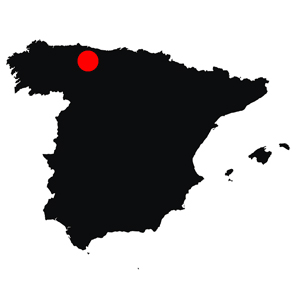
10. OviedoPopulation: Approximately 220k Climate: Temps in the 50s in the winter months to the mid 70s in summer monthsLocation: Inland (30 minutes from coast), Northwest Spain |
|
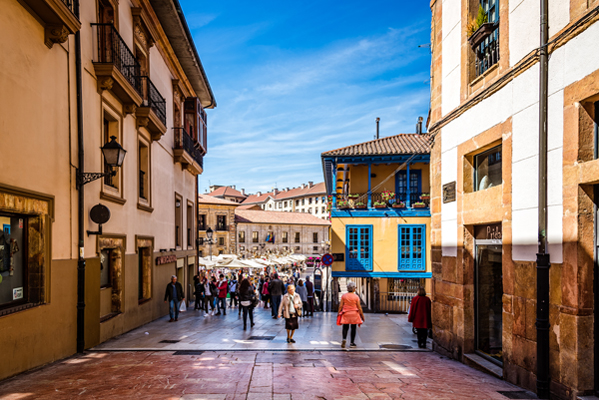
Oviedo is the capital of Asturias in Spain's mountainous, green northwest — a region that looks and feels closer to Ireland or the Pacific Northwest than to the sun-baked Spain most travelers picture. The Picos de Europa mountains rise to the south and the Cantabrian Sea coast sits 30 minutes north, with the Bay of Biscay's fishing villages and surfing beaches an easy day trip. Oviedo's pre-Romanesque churches (a UNESCO World Heritage designation) and its substantial historic center reflect the city's role as the medieval capital of the Kingdom of Asturias. Costs are among the lowest of any provincial capital in Spain, and the cooler, wetter climate makes Oviedo a natural fit for expats who actively dislike the heat of southern Spain. Cider culture and Asturian cuisine — fabada, sidra, queso — give the region a distinct culinary identity.
If you're looking for cooler temperatures, Oviedo in northwest Spain may fit the bill. Campo San Francisco is a beautiful park that was once the garden of the San Francisco Convent. For a local dining experience, La Jamoneria and El Fondin de Trascorrales are great choices. If you're spending the night in Oviedo, we recommend the beautiful, city-center Eurostars Hotel De La Reconquista.
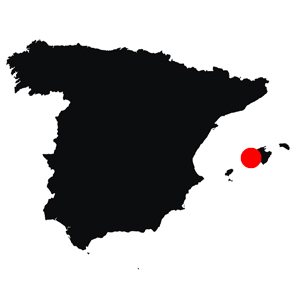

Mallorca is the largest of Spain's Balearic Islands and one of the most established expat destinations in the Mediterranean, with a long-standing German community in particular but substantial British, Scandinavian, and increasingly American populations spread across the island. Palma de Mallorca anchors the south coast as a genuine working city — historic cathedral, international airport, Mediterranean port — while the Serra de Tramuntana mountains along the northwest coast (a UNESCO World Heritage site) include villages like Deià, Sóller, and Valldemossa that have drawn artists, writers, and expat residents for over a century. The island's quieter eastern coast and rural interior offer a substantially different rhythm than the busier south and southwest, and property prices vary dramatically by location. Palma's airport is one of the busiest in Europe, with direct flights across Europe year-round and seasonal long-haul routes.
Mallorca's appeal to expats centers on the combination of island geography, reliable Mediterranean climate, well-developed infrastructure (the kind of services and English-speaking healthcare that smaller Spanish islands lack), and a year-round expat community that doesn't disappear with the summer tourist season. Costs across the island run higher than mainland Spain — particularly for property in the Tramuntana villages and parts of Palma — but remain competitive with comparable Mediterranean destinations in France and Italy.
Learn more about living in Palma in our Palma de Mallorca Guide.
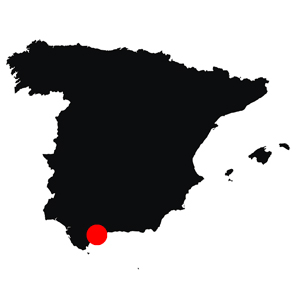
12. MarbellaPopulation: Approximately 150k Climate: 60s November through April, 70s to upper 80s May through OctoberLocation: Coastal, Costa del Sol, Southern Spain |
|
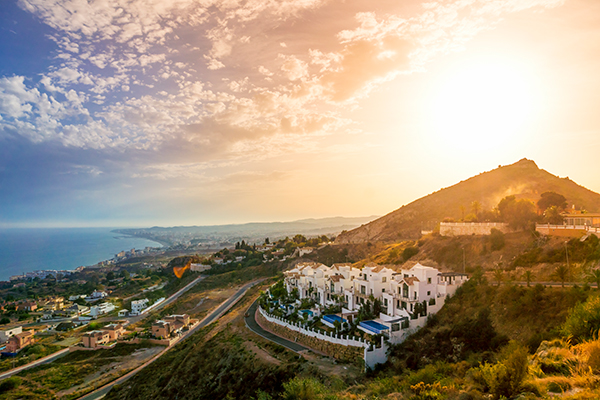
Marbella sits at the heart of the Costa del Sol roughly 50 kilometers southwest of Malaga and is arguably Spain's most internationally established expat city, with a mature, multilingual community of British, Scandinavian, Northern European, and Middle Eastern residents that goes back to the resort's mid-20th-century development. The city pairs a well-preserved Andalusian old town — the Casco Antiguo — with the modern luxury infrastructure that defines the western Costa del Sol: the marina at Puerto Banús, a substantial concentration of international schools, English-speaking healthcare, and one of Spain's highest densities of foreign-owned property. Marbella enjoys a microclimate protected by the Sierra Blanca mountains that delivers some of the mildest winters in mainland Europe, with over 320 days of sunshine annually.
Costs run substantially higher than the wider Costa del Sol, particularly for property in the "Golden Mile" between Marbella and Puerto Banús and in the gated communities of Nueva Andalucía. More moderate-priced options exist further inland or in the smaller surrounding towns like San Pedro de Alcántara, Estepona, and Benahavís. Malaga's international airport is roughly 45 minutes east, putting Marbella within easy reach of most European cities and direct connections to North America.
Learn more about Marbella in our Marbella Guide.
About the Author
 Joshua Wood, LPC joined Expat Exchange in 2000 and serves as one of its Co-Presidents. He is also one of the Founders of Digital Nomad Exchange. Prior to Expat Exchange, Joshua worked for NBC Cable (MSNBC and CNBC
Primetime). Joshua has a BA from Syracuse and a Master's in Clinical and Counseling Psychology from Fairleigh Dickinson University. Mr. Wood is also a licensed counselor and psychotherapist.
Joshua Wood, LPC joined Expat Exchange in 2000 and serves as one of its Co-Presidents. He is also one of the Founders of Digital Nomad Exchange. Prior to Expat Exchange, Joshua worked for NBC Cable (MSNBC and CNBC
Primetime). Joshua has a BA from Syracuse and a Master's in Clinical and Counseling Psychology from Fairleigh Dickinson University. Mr. Wood is also a licensed counselor and psychotherapist.
Some of Joshua's articles include Pros and Cons of Living in Portugal, 10 Best Places to Live in Ireland and Pros and Cons of Living in Uruguay. Connect with Joshua on LinkedIn.
Additional Information:
- Spain Guide
- Healthcare & Health Insurance in Spain
- Members Talk about Healthcare & Health Insurance in Spain
- Best Places to Live in Spain
- Real Estate in Spain
- Guide to Real Estate in Spain
- Pros & Cons of Living in Spain
- Cost of Living in Spain
- Christmas in Spain
- Culture Shock in Spain
- Homeschooling in Spain
- How to Enroll Your Children in School in Spain
- 2026 Guide to Living in Spain
- Pros and Cons of Living in Spain 2026
- 2026 Guide to Moving to Spain