
15 Expats Talk about Health Insurance and Healthcare in Ecuador
Last updated on Jul 02, 2025
Summary:


How are healthcare services Ecuador?
When we asked expats and global nomads about the quality of medical care in Ecuador, they replied:
"Choose carefully where you plan to live. In many Ecuador cities emergency care is often very limited or even non-existent. As we age good quality emergency care can mean to live or die. The same goes with good quality health care in general. Many small cities lack more than one doctor and medicines and supplies can be difficult to obtain in an emergency. This also happens with dentists as well. I suffered an injury to a tooth and had to travel for over an hour to find a dentist that could provide the needed treatment. And as we age we may find that the uneven pavement (or lack of pavement) in most Ecuadorian cities and towns will become a hazard to getting around. Again, choose carefully where you live," wrote one expat.
"Do sign up for IESS national healthcare. Note that as of July 2017 the rate will be based on Verified Income. The rate will be 17.6% and an additional 2.4% per dependent. An expat on $1200 Social Security with one dependent would therefore pay $240 a month for Health coverage," commented one expat who moved to Montanita.
"This is the best medical care in terms of caring for you and really identifying the best way to correct the medical issues of people. Doctors really care for their patients, and spend time talking and testing for the real problem and thus coming up with a real solution to your specific issue. And all done at a bargain price," said one expat.
"If you need medical care and have good knowledge of Spanish, the state system IESS may be your choice, however if you are retired they raised the rates to about 17.5% of retirement income. I have cheap (low quality) insurance which reportedly doesn't pay, which is fine for me because I would rather pay 45 per month for insurance that I can't use than 75/mo for insurance I won't use," remarked one expat in Cuenca.
What are medical services in Ecuador like?
When we asked expats and global nomads about the quality of medical care in Ecuador, they replied:
"Medical services in Ecuador are generally of a good standard, with a wide range of public and private hospitals and clinics available. The public health system is free for Ecuadorian citizens, and there are also a number of private health insurance plans available. The country has a number of highly trained doctors and specialists, and the quality of care is generally good. Ecuador also has a number of specialized medical centers, such as cancer treatment centers, and a number of medical research centers," said one expat living in Ecuador.
"Surprised by the ease in getting doctor's appointments and the speed at which patients are processed - much less waiting time than in the States. No wasted or unnecessary medications or treatments. Doctors and nurses here are for the patients not for profit," mentioned one expat in Machala.

Never worry about paying your medical bills out of pocket again. The innovative PassportCard allows for a stress-free experience for all expat families, remote travelers, and workers. With a 24/7 customer service and an outstanding customer base of over 2 Million clients, it will feel like medical care at home. Get up to 10% off on your policy now.
Never worry about paying your medical bills out of pocket again. The innovative PassportCard allows for a stress-free experience for all expat families, remote travelers, and workers. With a 24/7 customer service and an outstanding customer base of over 2 Million clients, it will feel like medical care at home. Get up to 10% off on your policy now.
Are healthcare and health insurance expensive in Ecuador?
"We didn't use our U.S. insurance because the deductibles would have been more than what we paid for care in Cuenca," remarked one expat in Cuenca.
"I would pay out of pocket if it were still available, because doctors are cheap. With my cheap insurance, I will still have to pay out of pocket and maybe get reimbursement if I'm lucky. Insurance here is a government sponsored racket, as whenever government requires something the drops and prices go up, that's why governments do it. If it were a service people actually wanted it wouldn't be required," remarked one expat living in Cuenca.
 PassportCard Expat Health Insurance
Get Quote
Never worry about paying your medical bills out of pocket again. The innovative PassportCard allows for a stress-free experience for all expat families, remote travelers, and workers. With a 24/7 customer service and an outstanding customer base of over 2 Million clients, it will feel like medical care at home. Get up to 10% off on your policy now.
PassportCard Expat Health InsuranceNever worry about paying your medical bills out of pocket again. The innovative PassportCard allows for a stress-free experience for all expat families, remote travelers, and workers. With a 24/7 customer service and an outstanding customer base of over 2 Million clients, it will feel like medical care at home. Get up to 10% off on your policy now.
Get Quote
What are emergency services like in Ecuador?
When we asked about emergency services, members in Ecuador wrote:
"Emergency services in Ecuador are generally reliable and efficient. In the event of an emergency, you can call 911 to request an ambulance. The emergency services personnel are trained to respond quickly and provide medical assistance. Additionally, the Ecuadorian government has implemented a system of emergency medical centers throughout the country to provide medical care in the event of an emergency," said an expat in Ecuador.
" I am closest to a hospital that is a private hospital, and is less than a mile away. Another hospital about 2 miles away is also a private hospital. A public hospital is about 5 miles away. The quality of care at most hospitals is excellent, yet the public hospitals have a lower grade of care, a higher population waiting for service and because of the high volume of patiensts, a lower class service to the patient and a longer waiting period for service. The level of caring for the patient varies, with the highest level of caring at the private hospitals. The most expensive private hospitals charge a fraction of the price that you would pay in the United States. The level of care and the success of recovery is so much higher than in the United States in my opinion and in the opinion of both the local people and the expat population. In addition, there is a freedom of choice of medical care. So Cancer patients are not only offered Chemo, Radiation and Surgery. There are Natural Health healers, Homeopathy and many other practitioners with successful records of reversing serious life-threatening disease conditions. ," commented one expat living in Cuenca, Ecuador.
"I live in small town 40 min from a major city of Loja. But we have a basic hospital with an emergency room. In Loja we have a public IESS hospital and several private hospitals like: San Agustin and UTPL. You can call national emergency number 911 for any help," wrote one expat.
Never worry about paying your medical bills out of pocket again. The innovative PassportCard allows for a stress-free experience for all expat families, remote travelers, and workers. With a 24/7 customer service and an outstanding customer base of over 2 Million clients, it will feel like medical care at home. Get up to 10% off on your policy now.
Never worry about paying your medical bills out of pocket again. The innovative PassportCard allows for a stress-free experience for all expat families, remote travelers, and workers. With a 24/7 customer service and an outstanding customer base of over 2 Million clients, it will feel like medical care at home. Get up to 10% off on your policy now.
Will I need to travel to see a specialist?
"Guayaquil Cuenca and Quito are world class centers for cardiology and oncology. Specialists: Quito also has an English speaking psychiatrist on staff at Metropolitano. Cuenca has a world reknown plastic reconstruction surgeon Dr. Pablo Salamae. Dr. Salamae provides his skills free of charge for life altering surgery to the children of Ecuador. Cuenca also has an English speaking Multiple Sclerosis specialist, Dr. Piedra. Guayaquil has excellent cardiologists at the Kennedy Norte area," wrote one expat.
"The city of Quito is widely known as a medical hub in Ecuador, boasting a wide range of specialists in the fields of cardiology, orthopedics, neurology, ophthalmology, obstetrics and gynecology, pulmonology, and dermatology. The coastal city of Guayaquil is also home to a vibrant medical community with a diverse selection of medical specialists at its disposal. Additionally, the city of Cuenca is renowned for its high-quality healthcare system and its wealth of top-rated medical professionals. Other notable cities with a strong presence in the medical field are Santo Domingo, Loja, and Manta," commented one expat who moved to Ecuador.
"In my area people go for more specialized services to Cuenca which is 4 hrs away. That would be heart surgeries, hip or knee replacements, etc. I would not return to the US for medical care. I believe I get adequate care here. I had an ovarian cyst surgery 2 years ago and I was very pleased with the quality of care in a private hospital," said one expat.
" I would return to Ecuador for any serious health issues, because of the high level of care and the high level of successfully reversing serious health problems. The lower cost is just another bonus available to the patient. Some specialists here are not only trained and certified here in Ecuador, but have advanced medical certification education in other countries. So you get the benefit of other International modalities. ," remarked one expat in Cuenca.
"We do most of our doctor's visits in Otavalo, or Ibarra depending on the availability of specialists. The system for booking appointments needs work but it's getting better. I've been seen by probably ten different general practitioners and both my wife and I have settled on a couple that we feel very confident with. With a bit of luck and an occasional wait we manage to book appointments with doctors of our choice, though the others would certainly be fine in a pinch. Appointments are usually within a few days of the date when I first did the search. They are very proactive with profalactics, booking a full blood, urine and feces panel twice a year. A yearly EKG. I had a lung issue during the pandemic and had three different chest x-rays with no wait. An ongoing uncomfortable but not disabling knee issue led to an x-ray and a visit to the orthopod within a week or so. My wife gets annual pap smears and mammograms and is regularly seen by her gynecologist, who also a doctor we both feel very sure of. I do have northern=transplant friends who have had major surgeries and they all feel they got excellent care," remarked one expat living in Cotacachi.
Are common prescription medications available in Ecuador?
"Most medication is available over the counter. Medication that is narcotic, sedative, opiod, such as anti anxiety drugs and pain medication is restricted to severely restricted. Medications such as antidepressants (SSRI & NSRI), thyroid medications, insulin, and NSAID are available though not every type or formulation. At certain times basic drugs may be embargoed. An example is embargo on NSAID drugs (ibuprofen, naprosyn, aspirin) during a mosquito borne virus outbreak. Benadryl (diphenhydramine) is a common antihistamine in the USA that is not available in Ecuador," mentioned one expat in Montanita.
"Many common meds are available without prescription for a fraction of the price. New meds may not be available and can be expensive if they have to be imported. Names of meds are different than in the U.S., and you may have to go to a doctor initially to get them translated. Bringing your prescription forms from home will help," commented one expat who moved to Cuenca, Ecuador.
"Yes, common prescription medications are available in Ecuador. Most medications can be purchased at pharmacies without a prescription, although some require a prescription from a doctor. Prices for medications in Ecuador are generally lower than in other countries, making them more accessible to the general population. Additionally, the Ecuadorian government provides subsidies for certain medications, making them even more affordable," remarked one expat living in Ecuador.
"Yes, common medicines are found at the pharmacies and are often available without prescriptions. Medicine is fairly cheap," commented one person.
"Pharmacies in Ecuador have most medications. Some like antibiotics and others are available without prescription. I take Eutirox pill for my thyroid and buy it without prescription. The cost is about $2-$3 for a month supply," said one expat living in Loja.
Do you have anything more to add about local medical facilities in Ecuador?
"There is a Basic Hospital with an Emergency Room in our town. More series cases are taken to Loja, 40 min away. The local hospital is public and offers free healthcare. There are several public and private hospitals in Loja, well equipped with quality of medical care," remarked one expat living in Vilcabamba.
"There is an emergency clinic 5 minutes from my house but the hospitals are in Salinas (45 minutes) or Guayaquil (3 hours) away. Fortunately, I've not had much need for health care but my friends and neighbors have been very pleased at both the quality and the price of procedures here. Although you can find English speaking doctors, it really helps in crisis situations to speak Spanish," said one expat living in Rio Chico.
"There are no hospitals in the town and the nearest quality hospital is in Manta one hour away. There are smaller hospitals in Bahia and Portoviejo I have heard. I have only used a local doctor for stomach issues so I am pretty unfamiliar with the medical care," mentioned one expat in San Clemente.
As a foreigner living in Ecuador, will I have access to public healthcare? What is it like?
"Just want to tell about my experience with IESS during covid. I was diagnosed with high risk prostate cancer in January 2021. As no so called elective surgeries were being done by IESS I had a catheter for 5 plus months until I paid out of pocket for what is called TURP surgery. Even before that I started hormone therapy at IESS. So it took about 4.5 months for me to start treatment. After that it was about another month before I started radiation treatments. I know a lot of folks rag on IESS but to be honest considering covid and full hospitals I was satisfied with the time frame. I stayed in Quito and received 38 radiation treatments, treatment everyday 5 days a week. I was treated with respect and never met anyone who wasn't professional and very friendly. All questions I had were answered and they made sure that I understood what was happening with my treatment. So I just want to give a shout out to IESS and let expats know that you can have a good experience if you just show a little patience and stay on top of things. I won't know my prognosis for about 4 more months but feel the complete experience was very positive," commented one expat living in Ecuador.
"Permanent residents in Ecuador can enroll in public healthcare system or get private insurance at any age. The cost for public system is about $80 a month and pre-existing conditions are covered after 2 months. There are public hospitals in major cities and some smaller towns. The quality care may depend on the area but many expats in Ecuador enroll in the system due to low cost," wrote one expat.
What have your experiences during the pandemic with the local healthcare system been like?
We asked expats in Ecuador if they have access to public healthcare in Ecuador. And, if they do have access, what is it like. They wrote...
"Have not had any need but each time I have had to go to a doctor or for a test, every patient is given a questionaire and has their temperature taken. Those with symptoms receive a much more thorough screening," wrote an expat living in Machala.
"The pandemic has had a significant impact on the healthcare system in Ecuador. Many hospitals and clinics have been overwhelmed with the influx of patients, leading to long wait times and limited access to medical care. Additionally, the government has implemented strict measures to limit the spread of the virus, such as closing borders and restricting movement. This has made it difficult for people to access medical care, especially in rural areas. Despite these challenges, the healthcare system in Ecuador has been able to provide adequate care to those in need. The government has also implemented various initiatives to ensure that people have access to the necessary medical supplies and treatments," said an expat in Ecuador.
What advice do you have for expats having a baby in Ecuador?
We asked expat moms who gave birth in Ecuador about their experiences and advice they have for other moms to be. They said:
"Make sure to research the medical facilities in the area beforehand and select one with a good reputation. Visit the medical facility before your due date to familiarize yourself with the policies and procedures. Consider registering in a pre-natal class and hiring a doula or private midwife to increase your chances of having the birth experience you want. Be aware of cultural differences between what you may be used to and what is done in Ecuador. Make sure you have the necessary paperwork in place prior to the birth such as your Ecuadorian residency documents, insurance paperwork, and other birth documents. Lastly, be prepared for a few surprises along the way as every birth is unique," remarked one in Ecuador.
"Insist on taking a tour of the places where you could possibly have your child. Even if they refuse, (it's not Ecuadorian culture to allow tours in hospitals) try your best to see everything first and understand the conditions before your decision. All public hospitals offer free service for deliveries and C-sections, but since it's free they're usually packed with people. Be prepared ahead of time with everything you will need, but keep a close eye on what you bring in and what's going on around you. Things like baby shampoo, soap, a towel, and clothes are a MUST, because public hospitals won't provide any of it. If you don't bring soap or a towel, you will go home with a dirty baby with wet clothes because you had to dry it off with them. If you go to a clinic, be sure to know the circumstances of your labor and if it's absolutely necessary to have a C-Section if the doctor suggests it, because many have been deceived into the operation unnecessarily because it costs more than a normal delivery. Many doctors are just looking for more money. I'm not sure about the clinics in other cities, but at least in Otavalo, pain medication isn't given in clinics or in the hospital. Be prepared," explained one expat.
Are healthcare services good in Ecuador?
We asked people if they have access to good medical care in Ecuador. They wrote:
"In Ecuador, healthcare services exist throughout the country, with primary health care clinics, private clinics and hospitals, and public hospitals all providing healthcare to citizens. Access to healthcare is provided on a sliding scale, with fees being assessed based on income. Primary health care clinics emphasize preventive medicine, but also provide diagnosis, treatment, immunizations and referrals to specialists in the public health system. Private clinics and hospitals provide higher quality services, but often at a much higher cost. Public hospitals generally do not provide healthcare services for free, but may offer subsidized services depending on the situation. Access to specialized and hospital-based care is limited, but increasing as Ecuador invests in greater access and quality of care," remarked one expat in Ecuador.
"Your choice of the free hospital or higher cost facilities. Also qualify for the Social Security hospital here 100% coverage for $72 a month," explained one expat living in Cuenca.
About the Author
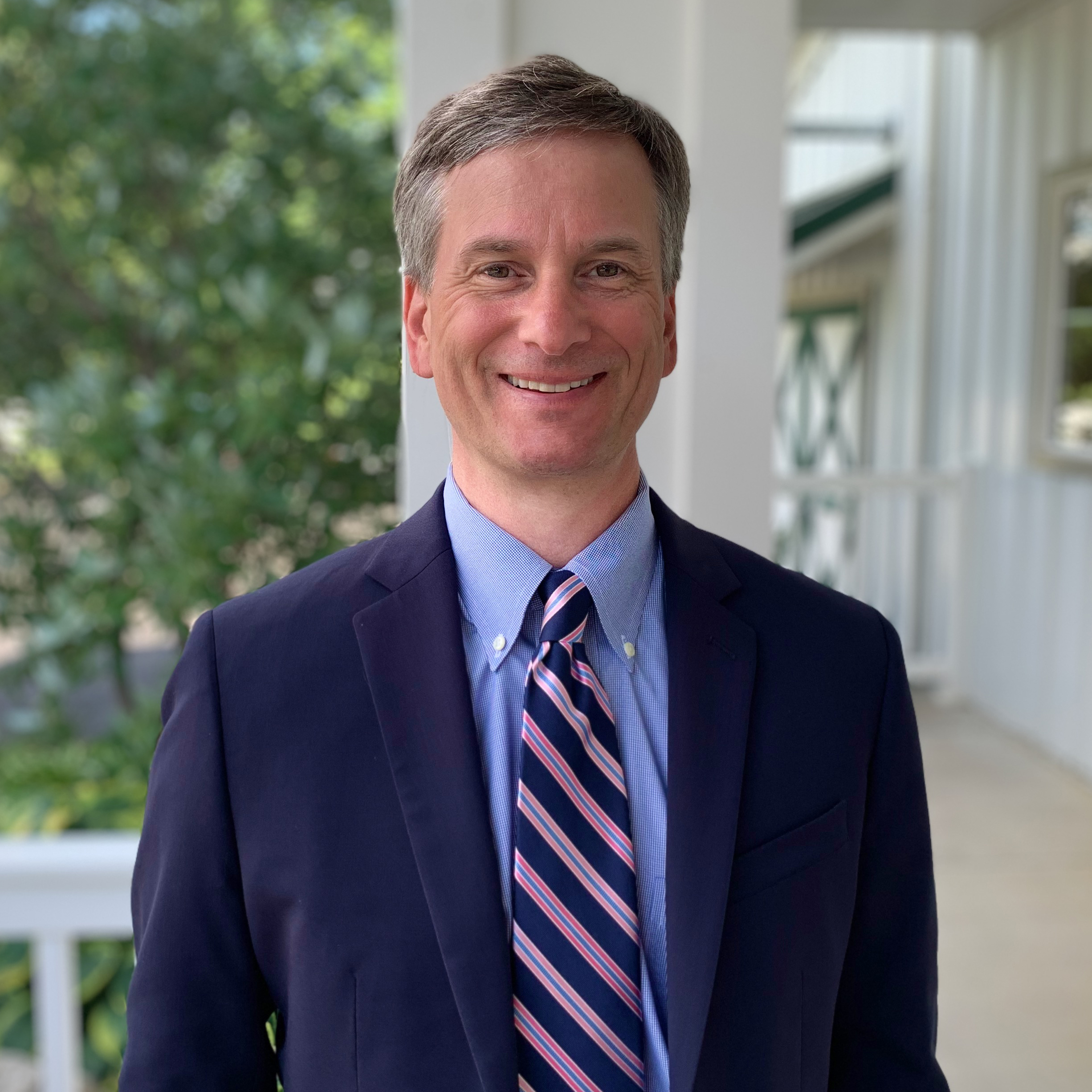 Joshua Wood, LPC joined Expat Exchange in 2000 and serves as one of its Co-Presidents. He is also one of the Founders of Digital Nomad Exchange. Prior to Expat Exchange, Joshua worked for NBC Cable (MSNBC and CNBC
Primetime). Joshua has a BA from Syracuse and a Master's in Clinical and Counseling Psychology from Fairleigh Dickinson University. Mr. Wood is also a licensed counselor and psychotherapist.
Joshua Wood, LPC joined Expat Exchange in 2000 and serves as one of its Co-Presidents. He is also one of the Founders of Digital Nomad Exchange. Prior to Expat Exchange, Joshua worked for NBC Cable (MSNBC and CNBC
Primetime). Joshua has a BA from Syracuse and a Master's in Clinical and Counseling Psychology from Fairleigh Dickinson University. Mr. Wood is also a licensed counselor and psychotherapist.
Some of Joshua's articles include Pros and Cons of Living in Portugal, 10 Best Places to Live in Ireland and Pros and Cons of Living in Uruguay. Connect with Joshua on LinkedIn.
Additional Information:
- Ecuador Guide
- Healthcare & Health Insurance in Ecuador
- Members Talk about Healthcare & Health Insurance in Ecuador
- Best Places to Live in Ecuador
- Guide to Real Estate in Ecuador
- Pros & Cons of Living in Ecuador
- Cost of Living in Ecuador
- Zika Virus in Ecuador
- How to Rent a Home in Ecuador
- How to Enroll in the Public Healthcare System in Ecuador
- 10 Best Places for Families to Live in Ecuador
- 2026 Guide to Living in Ecuador
- Pros and Cons of Living in Ecuador 2026
- 2026 Guide to Moving to Ecuador