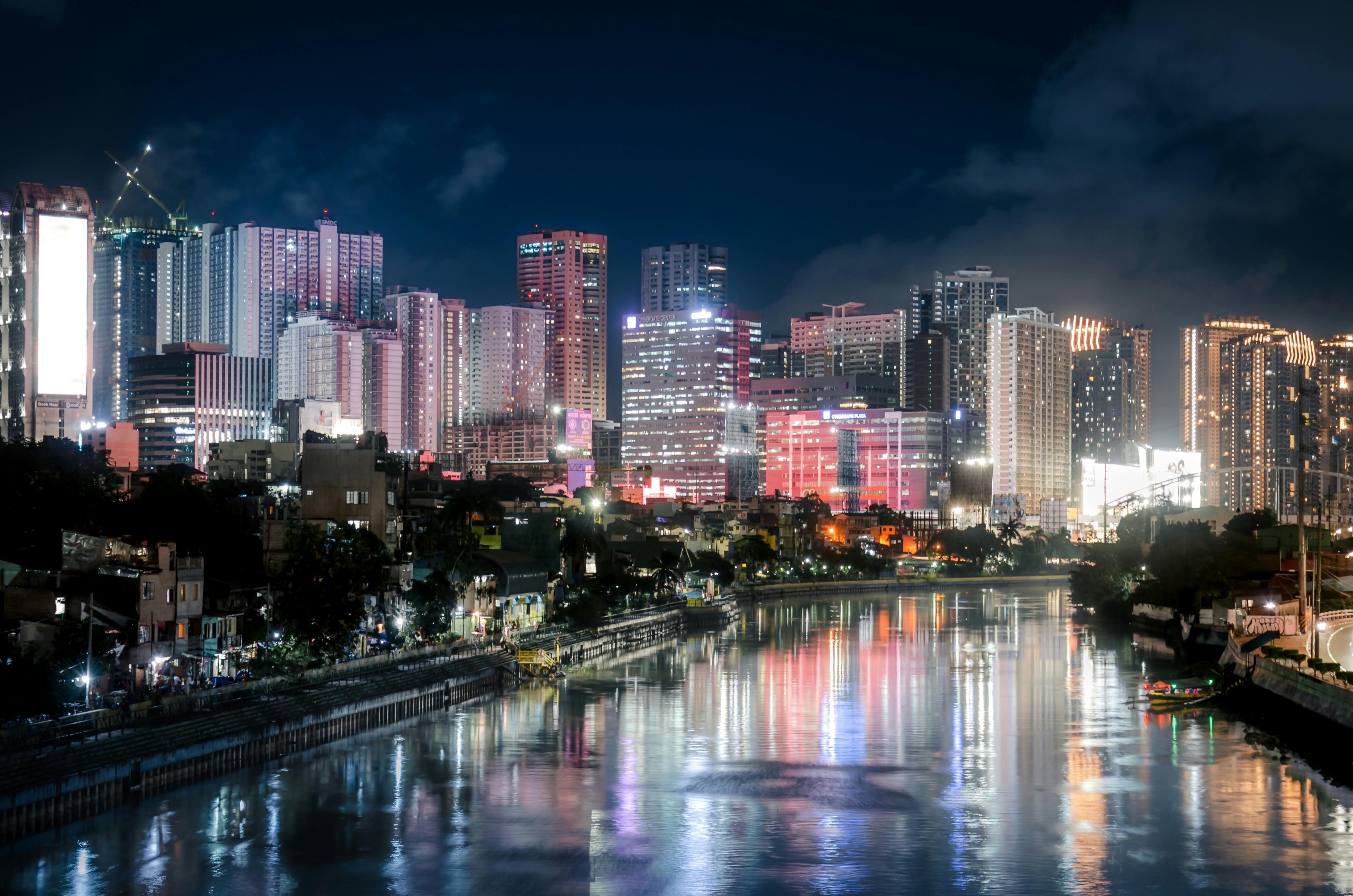
10 Things to Know Before Moving to Philippines


Summary: If you're planning a move to Philippines, here are 10 things expats living there wish they had known before moving to Philippines.
Are you considering a move to the Philippines? This archipelago of over 7,000 islands is a blend of vibrant cultures, stunning landscapes, and warm hospitality. But before you pack your bags, there are a few things you should know to make your transition to expat life as smooth as possible. Here are ten essential tips to help you navigate the beautiful, bustling Philippines.
1. Understanding the Climate: Prepare for Heat and Rain
The Philippines has a tropical maritime climate, which means it's hot and humid year-round. Temperatures rarely dip below 25°C (77°F), and the humidity can make it feel even warmer. The country has two main seasons: the dry season (November to May) and the wet season (June to October). Typhoons are common during the wet season, so it's crucial to have a plan in case of severe weather. Expect to shed layers and embrace the warmth—or ensure your accommodation has adequate air conditioning.
2. Navigating the Language: English is Widely Spoken
While Filipino (based on Tagalog) is the national language, English is widely spoken and understood, especially in urban areas and business settings. This bilingual environment makes it easier for expats to communicate and integrate. However, learning a few phrases in the local dialect can endear you to locals and enhance your experience. For instance, 'Magandang umaga' (good morning) and 'Salamat' (thank you) are great starting points.
3. Embracing the Culture: A Blend of East and West
The Philippines is a fascinating blend of Eastern and Western cultures, thanks to its history of Spanish and American influences. This mix is evident in architecture, cuisine, and traditions. Filipinos are known for their hospitality and warmth, with strong family values and a deep respect for elders. Understanding and appreciating these cultural nuances will help you build strong relationships and feel more at home.
4. Exploring the Cuisine: A Food Lover's Paradise
Filipino cuisine is a delightful fusion of Malay, Chinese, Spanish, and American influences. Must-try dishes include adobo (a savory stew made with vinegar and soy sauce), lechon (roasted pig), and pancit (noodle dishes). Street food is also a big part of the culinary scene, with delicacies like balut (boiled duck embryo) and isaw (grilled chicken intestines) for the adventurous. Be prepared to indulge in a world of flavors, from sweet to savory to sour.
5. Understanding Transportation: Jeepneys and Tricycles
Public transportation in the Philippines can be an adventure. Jeepneys, colorful and uniquely decorated minibuses, are a common mode of transport. Tricycles, motorcycles with sidecars, are also ubiquitous. While these options are cheap and plentiful, they can be crowded and uncomfortable. For more comfort, consider using ride-hailing apps like Grab, which are popular in major cities. Traffic congestion, especially in Manila, is notorious, so plan your commute accordingly.
6. Managing Finances: and Banking
The cost of living in the Philippines is generally lower compared to many Western countries. However, prices can vary significantly between urban and rural areas. Manila, the capital, is more expensive than smaller cities or provincial areas. ATMs and banks are widely available, but be aware of withdrawal fees and exchange rates. It's also a good idea to have a local bank account for convenience. Many expats find that they can live comfortably on a moderate budget, especially if they adapt to local spending habits.
7. Staying Connected: Internet and Mobile Services
Internet and mobile services in the Philippines have improved significantly in recent years, but they can still be slower and less reliable than in some Western countries. Major cities generally have good connectivity, while rural areas may have limited access. Prepaid SIM cards are widely available and affordable, making it easy to stay connected. Popular providers include Globe and Smart. Consider getting a local SIM card and data plan to stay connected on the go.
8. Healthcare: Private vs. Public
The healthcare system in the Philippines includes both public and private options. Public healthcare is generally more affordable but can be crowded and under-resourced. Private healthcare, on the other hand, offers higher quality services but at a higher cost. Many expats opt for private healthcare and health insurance to ensure they receive top-notch care. It's also a good idea to have travel insurance that covers medical emergencies, especially if you plan to explore the islands.
9. Safety and Security: Common Sense Precautions
The Philippines is generally safe, but like any country, it has its share of petty crime and scams. Common sense precautions, such as avoiding isolated areas at night, keeping valuables secure, and being cautious with strangers, can help you stay safe. Political unrest and terrorist activities are concerns in some regions, particularly in Mindanao. Stay informed about local conditions and follow any travel advisories issued by your home country.
10. Building a Community: Connecting with Expats and Locals
Building a social network is crucial for a successful expat experience. Joining expat groups and attending local events can help you meet like-minded individuals and make friends. Websites and social media platforms often have groups dedicated to expats in the Philippines, where you can ask questions, share experiences, and find support. Additionally, engaging with the local community can enrich your experience and help you feel more connected to your new home.
Moving to the Philippines can be an exciting and rewarding adventure. By understanding the climate, culture, transportation, and other key aspects, you'll be well-prepared to embrace your new life as an expat in this vibrant and diverse country.
Expats talk about moving to Philippines
"I was lucky because my wife is from the Philippines so as far as learning the customs and so on that part was easy. Even so I made several trips of three to four weeks each over a three year period before I made the decision to move and retire here. Your US Dollars go very far here. My advice is to do your home work on any place you may want to move. There is much to learn. Visas for long term stay is most important. I am married to a local citizen so I only need to leave the country every 12 months for an overnight stay if I wanted and this visa is free. There permanent visas with a fee. There is top notch health care available here at a fraction on USA cost. As I stated before do your home work and you will have much happier results," said one expat living in Isabel.
"I have lived on Palawan for over 20 years and that information is not up to date. We have fine hospitals unless you are looking replacements then go to Cebu. Shopping in 3 large centers plus the usual. I have never had any trouble except minor stuff. The police were good. Great place; for me at least," said one expat living in Palawan Island.
"Electricity still the major issue - install a solar panel. Communication and internet is improving - StarLink is already available. Road Network is improving - new roads open and cemented," wrote a member in El Nido.
About the Author
 Betsy Burlingame is the Founder and President of Expat Exchange and is one of the Founders of Digital Nomad Exchange. She launched Expat Exchange in 1997 as her Master's thesis project at NYU. Prior to Expat Exchange, Betsy worked at AT&T in International
and Mass Market Marketing. She graduated from Ohio Wesleyan University
with a BA in International Business and German.
Betsy Burlingame is the Founder and President of Expat Exchange and is one of the Founders of Digital Nomad Exchange. She launched Expat Exchange in 1997 as her Master's thesis project at NYU. Prior to Expat Exchange, Betsy worked at AT&T in International
and Mass Market Marketing. She graduated from Ohio Wesleyan University
with a BA in International Business and German.
Some of Betsy's articles include 12 Best Places to Live in Portugal, 7 Best Places to Live in Panama and 12 Things to Know Before Moving to the Dominican Republic. Betsy loves to travel and spend time with her family. Connect with Betsy on LinkedIn.
Additional Information:
- Philippines Guide
- Healthcare & Health Insurance in Philippines
- Members Talk about Healthcare & Health Insurance in Philippines
- Best Places to Live in Philippines
- Real Estate in Philippines
- Guide to Real Estate in Philippines
- Pros & Cons of Living in Philippines
- Cost of Living in Philippines
- Top Hospitals in Philippines by Specialty
- Best Places to See While on a Look-See Trip to Philippines (Plus, Itineraries)
- Moving to Philippines with a Pet
- Understanding Mental Health in Philippines
- 2026 Guide to Living in Philippines
- Pros and Cons of Living in Philippines 2026
- 2026 Guide to Moving to Philippines