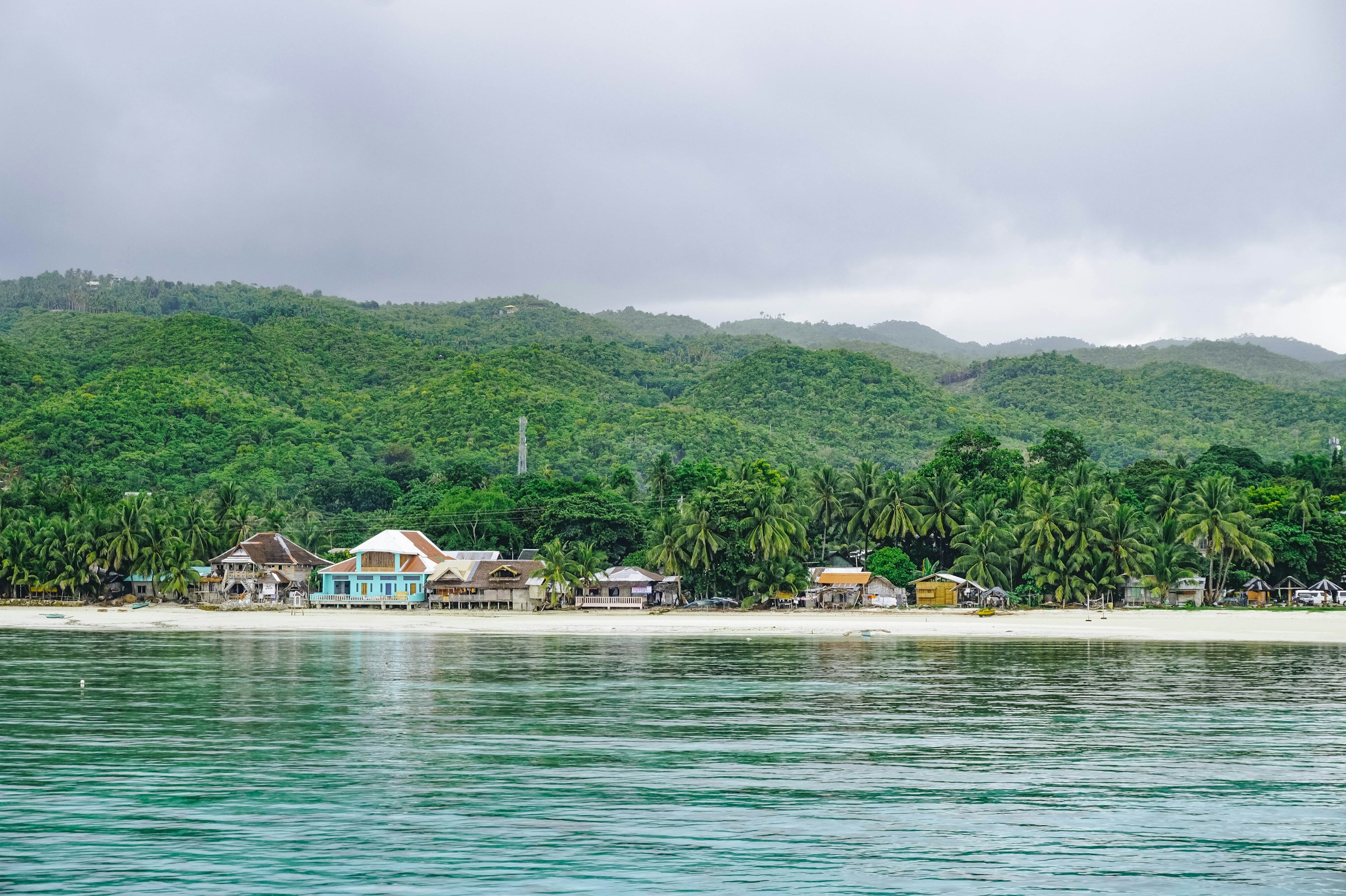
Understanding the Health System in Philippines


Summary: Gain insight into the health care system in Philippines. Explore its accessibility and limitations for expatriates, remote workers, retirees, and others who choose to live in Philippines.
Are you considering a move to the Philippines? This archipelago of over 7,000 islands is a blend of vibrant cultures, stunning landscapes, and warm hospitality. But before you pack your bags, there are a few things you should know to make your transition to expat life as smooth as possible. Here are ten essential tips to help you navigate the beautiful, bustling Philippines.
1. Understanding the Climate: Prepare for Heat and Rain
The Philippines has a tropical maritime climate, which means it's hot and humid year-round. Temperatures rarely dip below 25°C (77°F), and the humidity can make it feel even warmer. The country has two main seasons: the dry season (November to May) and the wet season (June to October). Typhoons are common during the wet season, so it's crucial to have a plan in case of severe weather. Expect to shed layers and embrace the warmth—or ensure your accommodation has adequate air conditioning.
2. Navigating the Language: English is Widely Spoken
While Filipino (based on Tagalog) is the national language, English is widely spoken and understood, especially in urban areas and business settings. This bilingual environment makes it easier for expats to communicate and integrate. However, learning a few phrases in the local dialect can endear you to locals and enhance your experience. For instance, 'Magandang umaga' (good morning) and 'Salamat' (thank you) are great starting points.
3. Embracing the Culture: A Blend of East and West
The Philippines is a fascinating blend of Eastern and Western cultures, thanks to its history of Spanish and American influences. This mix is evident in architecture, cuisine, and traditions. Filipinos are known for their hospitality and warmth, with strong family values and a deep respect for elders. Understanding and appreciating these cultural nuances will help you build strong relationships and feel more at home.
4. Exploring the Cuisine: A Food Lover's Paradise
Filipino cuisine is a delightful fusion of Malay, Chinese, Spanish, and American influences. Must-try dishes include adobo (a savory stew made with vinegar and soy sauce), lechon (roasted pig), and pancit (noodle dishes). Street food is also a big part of the culinary scene, with delicacies like balut (boiled duck embryo) and isaw (grilled chicken intestines) for the adventurous. Be prepared to indulge in a world of flavors, from sweet to savory to sour.
5. Understanding Transportation: Jeepneys and Tricycles
Public transportation in the Philippines can be an adventure. Jeepneys, colorful and uniquely decorated minibuses, are a common mode of transport. Tricycles, motorcycles with sidecars, are also ubiquitous. While these options are cheap and plentiful, they can be crowded and uncomfortable. For more comfort, consider using ride-hailing apps like Grab, which are popular in major cities. Traffic congestion, especially in Manila, is notorious, so plan your commute accordingly.
6. Managing Finances: and Banking
The cost of living in the Philippines is generally lower compared to many Western countries. However, prices can vary significantly between urban and rural areas. Manila, the capital, is more expensive than smaller cities or provincial areas. ATMs and banks are widely available, but be aware of withdrawal fees and exchange rates. It's also a good idea to have a local bank account for convenience. Many expats find that they can live comfortably on a moderate budget, especially if they adapt to local spending habits.
7. Staying Connected: Internet and Mobile Services
Internet and mobile services in the Philippines have improved significantly in recent years, but they can still be slower and less reliable than in some Western countries. Major cities generally have good connectivity, while rural areas may have limited access. Prepaid SIM cards are widely available and affordable, making it easy to stay connected. Popular providers include Globe and Smart. Consider getting a local SIM card and data plan to stay connected on the go.
8. Healthcare: Private vs. Public
The healthcare system in the Philippines includes both public and private options. Public healthcare is generally more affordable but can be crowded and under-resourced. Private healthcare, on the other hand, offers higher quality services but at a higher cost. Many expats opt for private healthcare and health insurance to ensure they receive top-notch care. It's also a good idea to have travel insurance that covers medical emergencies, especially if you plan to explore the islands.
9. Safety and Security: Common Sense Precautions
The Philippines is generally safe, but like any country, it has its share of petty crime and scams. Common sense precautions, such as avoiding isolated areas at night, keeping valuables secure, and being cautious with strangers, can help you stay safe. Political unrest and terrorist activities are concerns in some regions, particularly in Mindanao. Stay informed about local conditions and follow any travel advisories issued by your home country.
10. Building a Community: Connecting with Expats and Locals
Building a social network is crucial for a successful expat experience. Joining expat groups and attending local events can help you meet like-minded individuals and make friends. Websites and social media platforms often have groups dedicated to expats in the Philippines, where you can ask questions, share experiences, and find support. Additionally, engaging with the local community can enrich your experience and help you feel more connected to your new home.
Moving to the Philippines can be an exciting and rewarding adventure. By understanding the climate, culture, transportation, and other key aspects, you'll be well-prepared to embrace your new life as an expat in this vibrant and diverse country.
Insider Tips from Expats in Philippines: How to Navigate the Health System
"If you can afford it, get health insurance, but the rates are higher the older you are, and if your over 60 they go through the roof, that's if they will insure you. Be aware that many doctors here, who will charge you in excess of the regular charge as a "skin tax" as we are perceived to be able to afford it. Also hospitals will add on extra's not necessary, ie, they always insist on a drip, but it only contains saline solution. Extras like artificial limbs are difficult to have maintained here, its only in Manila or Cebu where there are facilities to have these repaired or replaced, but the quality and expertise is poorer, usually using 2nd hand appliances from abroad. In Manila there is a private house where European standards are maintained, but it is the most expensive you will encounter," commented one expat living in Philippines.
"I live in a rural area of the Philippines, and I have found the provincial and municipal hospitals to be of excellent quality for all my ordinary health care needs," mentioned one expat living in Philippines.
"Healthcare services in the Philippines are provided by both public and private institutions. The public healthcare system is funded by the government and is available to all citizens and legal residents. The quality of public healthcare varies depending on the region, but generally it is considered to be of a lower standard than private healthcare. Foreign residents are able to access the public healthcare system, but they may need to pay for some services. Expats in the Philippines typically use private healthcare services, as they are more reliable and of a higher quality. However, some expats may choose to use the public healthcare system if they are unable to afford private healthcare," said an expat in Philippines.
"Depending where you live or want to live, there are great hospitals. Such as the ACE hospital system which is jayhco certified. Not sure if the spelling. They are up to date and modern hospital. You can actually invest in this hospital system like in the United States and get great service. ," remarked one member living in Philippines.
"It's very important to have cash ready, or to be on one of the many local medical insurances available. Without money, you are doomed," said one expat living in Philippines.
"Emergency/outpatient care is available 24/7. I seldom have to wait much for care. For an emergency requiring any sort of high-tech equipment, we would have to be transported to Baguio City, a six-hour drive. However, the human, professional care here is very high quality," commented one expat living in Bontoc, Philippines.
"In the Philippines, emergency services are available to provide medical assistance, firefighting, and rescue operations. To call for an ambulance, you can dial the emergency hotline number, 911, or contact the local emergency services. The Philippine Red Cross also provides emergency medical services and can be contacted through their hotline number, 143," mentioned one expat living in Philippines.
"Local Emergency hospitals are normally for maternity so no xray's just a bed and a couple of nurse. Broken arms etc are transferred to nearest public hospital, but their conditions are very, very 3rd world and you could wait for hours to be attended. Also you must have cash up front before anything is done ie, xrays etc. Private hospitals are faster and better conditions, but are expensive, and again cash or credit card is necessary up front. You will not be allowed to leave the hospital until full payment is made. Locals can leave after signing promissory notes. This is breaking the law, but hospitals still carry on this practice regardless. Also doctors here carry drugs given by reps' they will sell you these, and also try to sell drugs that are not available from the drugs store. These are expensive, and I suspect some are ersatz. If you are unfortunate to be involved in an accident, they will send you to the nearest hospital, if you are not coherent, they will not treat you until a family member comes up with the payment details. You could die while waiting, but that is not their concern. The doctors Hippocratic oath only applies in the Philippines if you can pay for the services, doctors says they did this as its an investment to a comfortable life. The standards of their training is not so good either, that's why when they go abroad to work its usually as nurses, but only after they did some retraining," said an expat in Philippines.
"5 minutes - Batangas Emergency Care (hospital) - YES all services - Excellent care hospital - Public hospital," remarked one expat in Philippines.
About the Author
 Joshua Wood, LPC joined Expat Exchange in 2000 and serves as one of its Co-Presidents. He is also one of the Founders of Digital Nomad Exchange. Prior to Expat Exchange, Joshua worked for NBC Cable (MSNBC and CNBC
Primetime). Joshua has a BA from Syracuse and a Master's in Clinical and Counseling Psychology from Fairleigh Dickinson University. Mr. Wood is also a licensed counselor and psychotherapist.
Joshua Wood, LPC joined Expat Exchange in 2000 and serves as one of its Co-Presidents. He is also one of the Founders of Digital Nomad Exchange. Prior to Expat Exchange, Joshua worked for NBC Cable (MSNBC and CNBC
Primetime). Joshua has a BA from Syracuse and a Master's in Clinical and Counseling Psychology from Fairleigh Dickinson University. Mr. Wood is also a licensed counselor and psychotherapist.
Some of Joshua's articles include Pros and Cons of Living in Portugal, 10 Best Places to Live in Ireland and Pros and Cons of Living in Uruguay. Connect with Joshua on LinkedIn.
Additional Information:
- Philippines Guide
- Healthcare & Health Insurance in Philippines
- Members Talk about Healthcare & Health Insurance in Philippines
- Best Places to Live in Philippines
- Real Estate in Philippines
- Guide to Real Estate in Philippines
- Pros & Cons of Living in Philippines
- Cost of Living in Philippines
- Understanding the Health System in Philippines
- Guide to Residency in Philippines
- 11 Best Places to Live in The Philippines in 2022
- Pros and Cons of Living in the Philippines
- 2026 Guide to Living in Philippines
- Pros and Cons of Living in Philippines 2026
- 2026 Guide to Moving to Philippines