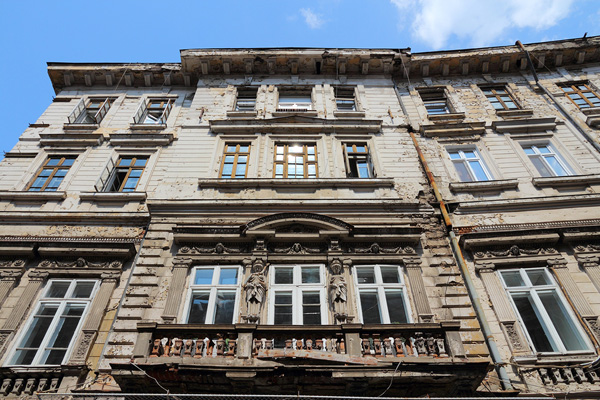
How to Buy a Home in Romania


Summary: The one tip that you hear expats living in Romania repeatedly sharing with newcomers is not to buy a home when you first move to Romania. Rent for a few months or longer so that you have time to find the right neighborhood. Give yourself time to ensure that Romania is right for you for the long term. If you've already taken time to do those things and are ready to take the plunge and become a property owner, here are tips about buying a home in Romania.
Embarking on the journey of buying a home in Romania as an expat can be both exciting and challenging. Romania, with its rich history and diverse landscapes, offers a variety of properties at competitive prices. However, understanding the local real estate market and legal processes is crucial for a successful and hassle-free experience. This guide will walk you through the essential aspects of buying a home in Romania, from finding properties to navigating legal requirements.
How do I find houses for sale in Romania?
Finding houses for sale in Romania can be accomplished through various methods. Online real estate platforms are a popular starting point, offering a wide range of properties. Local real estate agencies can also provide personalized assistance and local market insights. Additionally, exploring neighborhoods and looking for "de vânzare" (for sale) signs can lead to potential opportunities. Networking with locals and other expats can also uncover hidden gems.
Are there restrictions on foreigners owning property in Romania?
Romania has certain restrictions on foreigners owning property. Non-EU citizens cannot own land in Romania, but they can own buildings. To legally circumvent this restriction, foreigners can set up a Romanian company to purchase the land. EU citizens and stateless persons residing in Romania can own both land and buildings without restrictions. It's essential to consult with a legal professional to understand the latest regulations and how they apply to your specific situation.
Does Romania have an MLS type system?
Romania does not have a centralized Multiple Listing Service (MLS) system like those found in some other countries. Real estate listings are spread across various platforms and agencies. This lack of centralization can make the property search process more time-consuming. Working with a reputable real estate agent can help streamline the search and provide access to more listings.
Do brokers have licenses and how do I know if they are licensed?
Real estate brokers in Romania are required to have a license issued by the National Association of Real Estate Agencies (ANI). To verify if a broker is licensed, you can ask for their ANI license number and check it on the ANI website. It's crucial to work with licensed brokers to ensure professionalism, legal compliance, and protection of your interests.
What documents are required when buying a home?
When buying a home in Romania, several documents are required. These include a valid ID or passport, a fiscal identification number (Cod Numeric Personal or CNP), a certificate from the Land Registry (Cadastru) confirming the property's ownership and any encumbrances, a notarized sales agreement, and proof of payment for the property. Additionally, a building technical expertise report and an energy performance certificate may be required. Ensure all documents are translated into Romanian if they are in another language.
Do I need a lawyer when buying a home in Romania?
Hiring a lawyer when buying a home in Romania is highly recommended. A lawyer can guide you through the legal process, verify the property's legal status, draft and review contracts, and ensure compliance with Romanian laws. Legal fees vary, but typically range from 1% to 3% of the property value, plus VAT. Engaging a lawyer can help prevent legal pitfalls and protect your investment.
Do people typically buy a property with all cash or take out a mortgage?
In Romania, both cash purchases and mortgages are common. Mortgages are available from local banks, with interest rates and terms varying depending on the lender and the borrower's financial situation. Cash purchases can simplify the process and provide more negotiating power. Consulting with a financial advisor or a mortgage specialist can help determine the best option based on your individual circumstances.
Are there inspections that take place, and if so what is that process like?
Property inspections in Romania are not as standardized as in some other countries, but they are still important. Buyers can hire a professional inspector or surveyor to assess the property's condition. The inspection process typically involves a visual examination of the property's structure, systems, and overall condition. The inspector will provide a report detailing any issues or necessary repairs. It's crucial to arrange inspections before finalizing the purchase agreement.
What are some of the pitfalls to avoid when buying property in Romania?
Buying property in Romania can present several pitfalls that buyers should be aware of. These include title issues, hidden debts or encumbrances, unclear property boundaries, and building code violations. Additionally, buyers should be cautious of inflated prices, unscrupulous sellers, and unlicensed agents. Conducting thorough due diligence, engaging a lawyer, and working with reputable professionals can help mitigate these risks and ensure a smoother buying process.
Expats Talk about Real Estate in Romania
"I enjoy the Obor area, because it has all I need, including the biggest grocery market in the city, but has fair prices for the accommodation. I would suggest searching for a place both next to metro stations and parks. Because public transport is doomed to be trappet in rush hour trafic and parks, such as Herastrau, grant an escape from the busy streets, especially for those who come from smaller cities. The far North of the city, above Herastrau park, has the richest area with new apartments. The rest of the city is filled with communistic buildings with simple flats," said one expat living in Bucharest.
About the Author
 Joshua Wood, LPC joined Expat Exchange in 2000 and serves as one of its Co-Presidents. He is also one of the Founders of Digital Nomad Exchange. Prior to Expat Exchange, Joshua worked for NBC Cable (MSNBC and CNBC
Primetime). Joshua has a BA from Syracuse and a Master's in Clinical and Counseling Psychology from Fairleigh Dickinson University. Mr. Wood is also a licensed counselor and psychotherapist.
Joshua Wood, LPC joined Expat Exchange in 2000 and serves as one of its Co-Presidents. He is also one of the Founders of Digital Nomad Exchange. Prior to Expat Exchange, Joshua worked for NBC Cable (MSNBC and CNBC
Primetime). Joshua has a BA from Syracuse and a Master's in Clinical and Counseling Psychology from Fairleigh Dickinson University. Mr. Wood is also a licensed counselor and psychotherapist.
Some of Joshua's articles include Pros and Cons of Living in Portugal, 10 Best Places to Live in Ireland and Pros and Cons of Living in Uruguay. Connect with Joshua on LinkedIn.
Additional Information:
- Romania Guide
- Healthcare & Health Insurance in Romania
- Members Talk about Healthcare & Health Insurance in Romania
- Best Places to Live in Romania
- Real Estate in Romania
- Guide to Real Estate in Romania
- Pros & Cons of Living in Romania
- Cost of Living in Romania
- Getting a Driver's License in Romania
- 15 Best Places to Live in Romania
- Understanding the Health System in Romania
- Guide to Residency in Romania
- 2026 Guide to Living in Romania
- Pros and Cons of Living in Romania 2026
- 2026 Guide to Moving to Romania