The Philippines
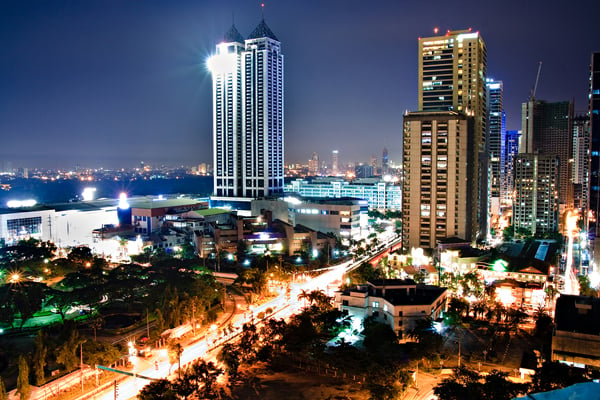
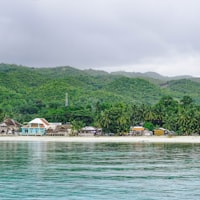
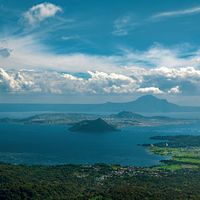
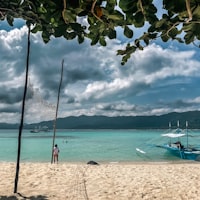
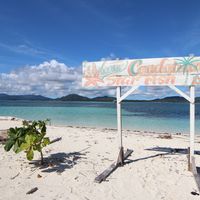
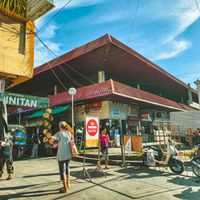
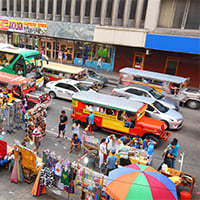
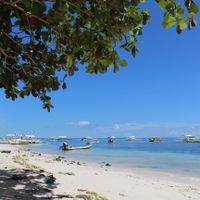
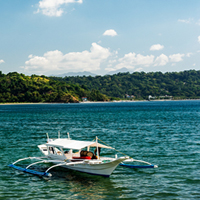
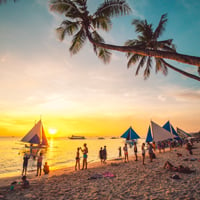
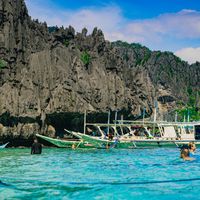
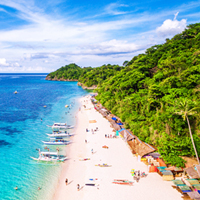
Coastal BeachesThe Philippines is an archipelago of over 7,600 islands located in Southeast Asia, known for its diverse landscapes, vibrant culture, and warm, hospitable people. The country has a rich history blending indigenous traditions with Spanish and American influences, reflected in its language, religion, and architecture. The economy is one of Asia's fastest-growing, driven by business process outsourcing, remittances, agriculture, and tourism. Life in the Philippines offers a relaxed pace outside major cities, strong family-oriented communities, and affordable living costs. The capital, Manila, is a bustling metropolis, while provincial areas offer quieter, more rural experiences. English is widely spoken, making it accessible for international relocators.
 SJB Global
Connect
SJB-Global is a top-rated financial advisory firm specializing in expat financial advice worldwide, offering retirement planning & tax-efficient solutions with a regressive fee model. Our clients benefit from their country’s most favorable tax environment by utilizing the efficient investment vehicles we offer. Our commitment to quality service is reflected in our stellar reviews, with over 300 testimonials boasting 95% five-star ratings.
Click connect to have our partner contact you via e-mail and/or phone.
SJB GlobalSJB-Global is a top-rated financial advisory firm specializing in expat financial advice worldwide, offering retirement planning & tax-efficient solutions with a regressive fee model. Our clients benefit from their country’s most favorable tax environment by utilizing the efficient investment vehicles we offer. Our commitment to quality service is reflected in our stellar reviews, with over 300 testimonials boasting 95% five-star ratings.
Connect
Click connect to have our partner contact you via e-mail and/or phone.


Podcasts
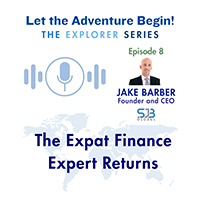
Episode 8: Jake Barber - The Expat Finance Expert Returns


Episode 6: Jake Barber - Expat Finance Expert and Lifelong Expat
Living in Philippines
Best Places to Live in Philippines
Visa & Residency
The process of obtaining a residency in the Philippines varies depending on the type of visa applied for. The Special Resident Retiree's Visa (SRRV) is a popular option for expatriates and retirees. To qualify for the SRRV, applicants must meet certain age and deposit requirements, which vary depending on the chosen SRRV option. For instance, the SRRV Smile requires a deposit of $20,000 in a Philippine bank for applicants 35 years old and above. The SRRV Classic, on the other hand, requires a deposit of $10,000 for those 50 years old and above with a pension, or $20,000 without a pension. This visa grants indefinite stay with multiple-entry privileges as long as the deposit is maintained. Another common visa for expatriates working in the Philippines is the 9(g) Pre-arranged Employment Visa, which is tied to an offer of employment from a Philippine-based company. The process involves securing an Alien Employment Permit, a No Objection Certificate, and other clearances before the visa application can be filed with the Bureau of Immigration. The 9(g) visa is typically valid for one to three years and is extendable as long as the employment persists. The application process for residency visas in the Philippines can be average in terms of difficulty. It involves gathering various documents, such as police clearances, medical certificates, and proof of financial capacity. The applicant must also attend a hearing and interview at the Bureau of Immigration. The processing time can vary, and it is advisable to seek assistance from a legal professional or a visa agent to navigate the complexities of the process. Overall, while there are several steps involved, the Philippines offers a range of visa options to suit different needs, and with proper guidance, obtaining a residency visa can be a manageable task.
Healthcare in Philippines
The healthcare system in the Philippines is a mixed public-private system. The public healthcare is managed by the Philippine health insurance Corporation (PhilHealth), which provides universal health coverage to Filipinos, although the quality and accessibility can vary greatly, especially between urban and rural areas. Private healthcare in the Philippines is generally of higher quality, with better facilities and shorter waiting times, but it is also more expensive. Expats and digital nomads can access public healthcare by becoming members of PhilHealth, either through formal employment or voluntary enrollment. However, many expats and digital nomads opt for private health insurance to cover services in private hospitals and clinics, which offer a higher standard of care. The cost of healthcare in the Philippines is relatively low compared to Western countries, but can still be a significant expense for serious conditions or long-term care.
Cost of Living
The cost of living in the Philippines is generally low compared to Western countries and many developed Asian nations. Housing costs vary significantly by location; Manila and popular expat areas like Cebu command higher prices, with modern condominiums ranging from $400-1,200 USD monthly for mid-range units, while provincial areas offer rentals for $200-500 USD. Daily expenses including food, transportation, and utilities are affordable, with a comfortable lifestyle possible on $1,000-1,500 USD monthly outside major cities.
Weather
The Philippines has a tropical climate with two main seasons: the dry season (November to May) and the wet/monsoon season (June to October). Temperatures remain warm year-round, typically ranging from 25-32°C (77-90°F), with higher humidity during the wet season. Typhoons are common during the monsoon months, particularly from July to September, affecting some regions more than others. The dry season is generally considered the best time to visit or relocate, with more stable weather conditions.
Educational System in Philippines
The educational system in the Philippines is influenced by its American colonial past and is structured in a similar fashion to the United States. Education is compulsory for children aged 5 to 18, which includes kindergarten to grade 12. The system is divided into four levels: kindergarten, elementary school (grades 1-6), junior high school (grades 7-10), and senior high school (grades 11-12). Children typically start kindergarten at the age of five. Elementary and high school education are provided free in public schools, and there are also numerous private schools across the country. The K-12 program, implemented in 2013, aims to provide sufficient time for mastery of concepts and skills, develop lifelong learners, and prepare graduates for tertiary education, middle-level skills development, employment, and entrepreneurship. The quality of education varies widely, with private schools and prestigious public schools generally offering higher quality education, while underfunded public schools in rural areas may struggle with resources. English is one of the mediums of instruction, which can be beneficial for children from English-speaking families.
Living in Philippines
Healthcare in Philippines
Best Places to Live in Philippines
Moving to Philippines