
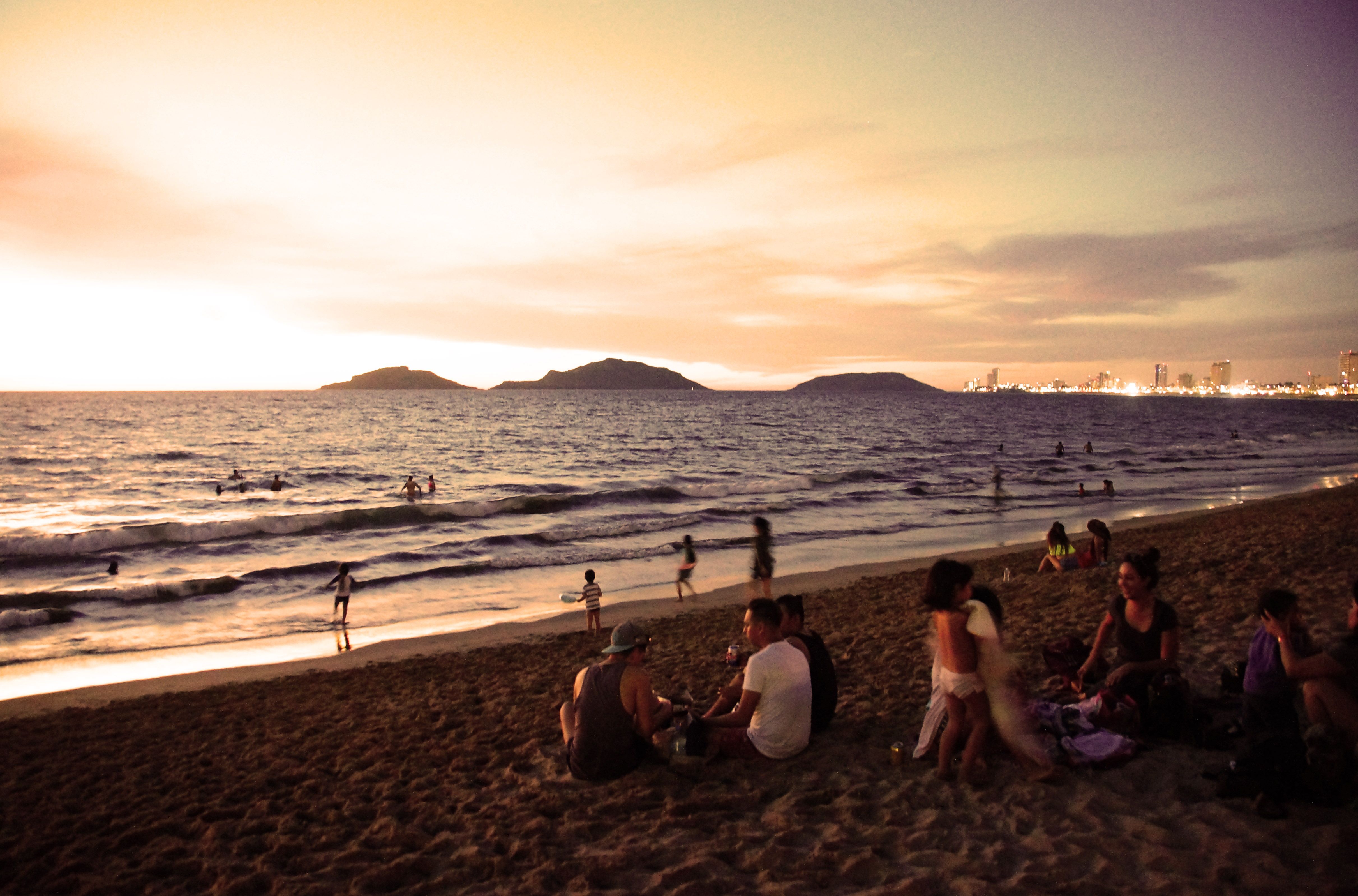


14 Best Places to Live in Mexico (2026 Update)


Summary: Updated for 2026, this guide brings expat-tested recommendations for the 14 best places to live in Mexico — including Cabo San Lucas, Puerto Vallarta, Playa del Carmen, Tulum, Mexico City, Merida, San Miguel de Allende, and Lake Chapala. Each section covers climate, cost of living, and what daily life is actually like, along with current context on Mexico's Temporary and Permanent Resident Visas and the Fideicomiso vs. fee simple property ownership distinction. New for 2026: dedicated sections on Oaxaca and Querétaro.
Mexico has been a popular destination among a wide variety of expats, digital nomads, and retirees for years, and its popularity continues to be on the rise. The low cost of living, quality healthcare (varies by city and region), good schools, blue seas, white sandy beaches and beautiful weather are among the laundry list of reasons why people love living in Mexico. Safety is one issue that causes concern among people thinking about moving to Mexico. We've taken that into account when putting together our list of the 14 best places to Live in Mexico (2026 Update), but we recommend that you do your own due diligence. Tips: Visit before you move, rent before you buy and enjoy the process of finding your dream destination in Mexico.
Mexico has also become more accessible to a broader range of expats through clearer residency pathways. The Temporary Resident Visa allows foreigners to live in Mexico for up to four years and is the most common starting point for expats — it requires meeting an income or savings threshold (figures vary year to year and by consulate, so verify with the nearest Mexican consulate before applying). After four years on a Temporary Resident Visa, expats can apply for the Permanent Resident Visa, which has no expiration and allows indefinite residency. Property purchases by foreigners in coastal and border zones are held via a bank trust called a Fideicomiso, while properties in interior cities (San Miguel de Allende, Mexico City, Querétaro, Oaxaca, Merida, and Guadalajara) can be owned outright by foreigners in fee simple — an important distinction worth understanding before buying.
- Baja California Peninsula
- 1. Ensenada
- 2. Cabo San Lucas
- Pacific Coast Area
- Caribbean Coast Area
- 6. Playa del Carmen
- 7. Cozumel
- 8. Tulum
- Capital City
- 9. Mexico City
- Popular Inland Cities & Lake Region
- 10. Merida
- 11. San Miguel de Allende
- 12. Lake Chapala
- 13. Oaxaca
- 14. Querétaro
Baja California Peninsula
The Baja California peninsula is a popular tourism region thanks to its proximity to Southern California. The Pacific Ocean is on one side of the Baja California peninsula and the Sea of Cortez (aka Gulf of California) is on the other. "Baja Sur and Baja California are different areas. The northern part of the peninsula is Baja California, while the southern part is Baja California Sur," explained one member. Some people refer to the northern part as Baja California Norte.
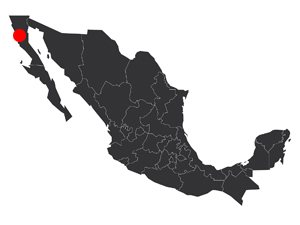
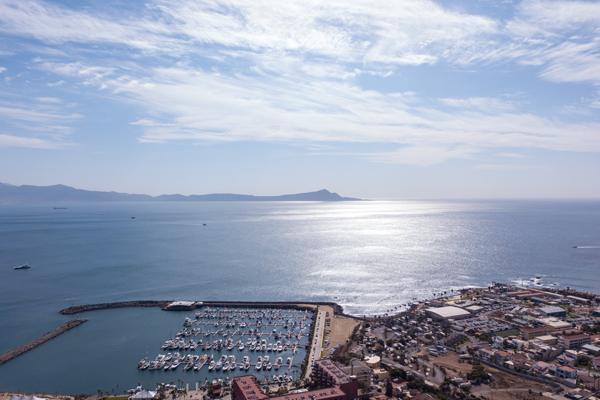
Ensenada sits on the Pacific coast of Baja California about two hours south of the San Diego border, making it one of the most accessible Mexican expat destinations for residents of the western United States. The city anchors Mexico's Valle de Guadalupe wine region — the country's largest and most established wine country — and combines a working port economy with a temperate Mediterranean-style climate that's almost identical to San Diego's, kept mild year-round by the Pacific marine layer. An established expat community has developed in Punta Banda just south of the city, with smaller pockets in Bajamar to the north. runs significantly lower than Southern California, and a number of expats have reported manageable budgets under $1,500 per month.
"Ensenada is just 3-5 degrees warmer at most than San Diego. Nice in winter and not even noticeable in summer as we always have a very strong breeze coming off the Pacific in the afternoons. There is a large expat community just south of town at Punta Banda," said one expat in Baja. Another expat described Ensenada saying, "But as soon as I arrived I loved it. It has lots of culture, great restaurants many Americans & Canadians, Germans etc..." Some expats are able to live in Ensenada have said they can live there for under $1500 per month.
More about Ensenada: Mexico Tourism Board's Ensenada Page.
AGS Worldwide Movers
Relocating abroad soon? Make your move with AGS! AGS Worldwide Movers is a leader in the international moving industry. Our experience and expertise allows us to guarantee our clients the best quality moving services.
AGS Worldwide Movers
Relocating abroad soon? Make your move with AGS! AGS Worldwide Movers is a leader in the international moving industry. Our experience and expertise allows us to guarantee our clients the best quality moving services.
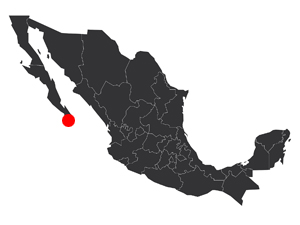
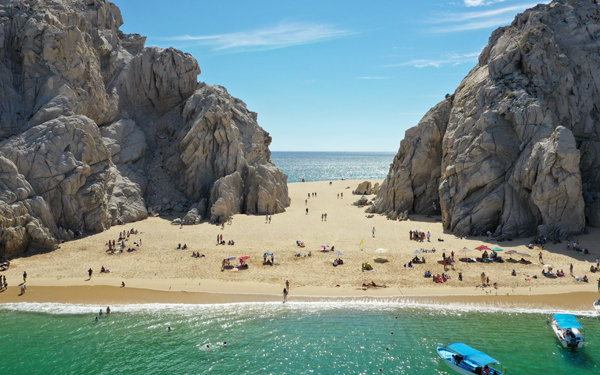
Cabo San Lucas sits at the southern tip of the Baja California Sur peninsula and is what most expats actually mean when they say "Los Cabos" — the broader municipality that includes Cabo San Lucas, San Jose del Cabo, and the 20-mile resort corridor that connects them. The region has one of the longest-established expat scenes in Mexico, particularly among American and Canadian residents, with European numbers growing steadily over the past several years. Los Cabos is consistently described as the most expensive expat destination in Mexico outside of upper-tier neighborhoods in Mexico City, Guadalajara, and San Miguel de Allende — a reflection of strong year-round demand, limited supply, and the area's resort-driven economy. The Los Cabos International Airport handles direct flights to most major North American cities, and the climate runs hot from July through October but is otherwise mild and dry.
What many people describe as "Cabo San Lucas" is actually Los Cabos, which is at the southern end of the Baja California peninsula. The two towns of San Jose del Cabo and Cabo San Lucas and the 20 mile "resort corridor" that links the two.
"We live in the town of San Jose Del Cabo and enjoy its many benefits excluding the hot spell (July to October) although tempered with the ocean breezes most of the time.. It is a family oriented town away from the hubbub of Cabo San Lucas. Great world class restaurants, sporting events, international shows, great art galleries, not to forget the wonderful beaches everywhere, and the list goes on. If relaxed ocean living appeals to you then it is a place worthy of consideration. I can say that many of my friends who travel throughout other areas in Mexico comment that our area is by far the most expensive in Mexico excluding those communities that are within the upper class areas of Mexico City, Guadalajara and San Miguel Allende. I have my INAPAM card so my water, property taxes and drivers license are 50% less which makes them reasonable.. The many locally owned mom and pop restaurants are very inexpensive but as expected, the resort dining is pricey. The grocery stores including La Comer, Soriana, Chedraui are not anymore expensive than anywhere else in Mexico I am told. Best to spend a week or so and determine the viability for ones budget," wrote one member.
"Los Cabos has a strong English influence and has had for over 30 years. Mainly American and Canada, however over the lat couple of years we have seen a European influx. The local Mexican population embraces the growth knowing it strengthen their economic future. Over the past 5 years I have noticed the Mexican youth, 25-35 are showing up at the more expensive places to hang out. This tells me there is a growth in the middle class sector of their population, which is great," explained one person living in Cabos.
The area in and around Los Cabos is able to deliver on so many aspects of living abroad that expats find desirable - climate, entertainment, activities - that those considering living there that it does come at a cost. Clearly, a large number of expats find it's worth the price tag.
More about Cabo San Lucas: Living in Cabo San Lucas, Retiring in Cabo San Lucas.
Pacific Coast
Mexico's Pacific Coast stretches approximately 1,200 miles with hundreds of places to consider from bustling resort cities to quiet, remote fishing villages. The Pacific Coast enjoys less humid weather than the Caribbean coast. In addition to the cities listed below, our article, 9 Best Places to Live on Mexico's Pacific Coast includes several other places popular with expats, retirees and digital nomads.
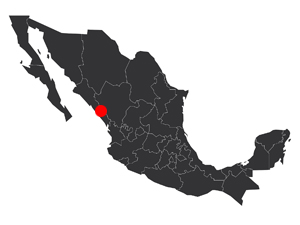
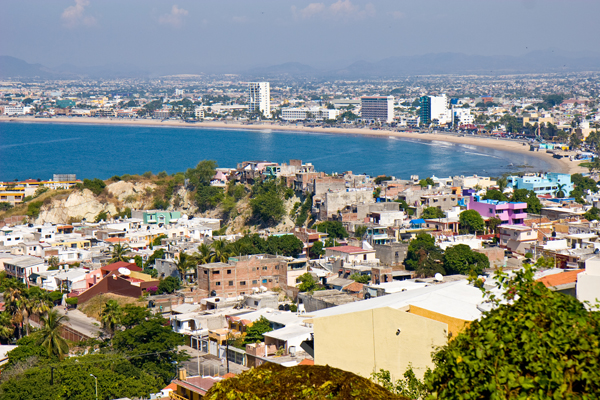
Mazatlan sits on the Pacific coast in the state of Sinaloa and combines a working port economy with a substantial expat community that's grown steadily over the past two decades. The Centro Histórico has been progressively restored — particularly the Plaza Machado area — giving the historic core a cultural depth that distinguishes Mazatlan from purely resort-driven Pacific destinations. The Malecón, one of the longest seaside promenades in the world, anchors daily life for many residents. Annual Carnaval is among the largest in Mexico, and the city's lower cost of living relative to Cabo or Puerto Vallarta has made it a notably accessible Pacific destination for retirees on fixed budgets. An international airport handles direct flights to most major North American cities.
"Mazatlan is a wonderful place to live! We have annual Carnaval and Motorcycle Week celebrations, and there is always some activity going on. There is drug violence, but it is extremely rare for expats to be affected in any way by it. Use the same cautions you would use in any large city. Bring only your electronics, clothes, and things you absolutely can't live without, because moving your goods is very expensive, and prices for replacing them here are very reasonable. Learn as much Spanish as you can (of course!); for a tourist city there were not as many English speaking merchants and service people as I thought there would be. Make an effort to speak Spanish to the people, even if you mangle the language, they will think much more highly of you for trying," wrote one expat in Mazatlan.
"For expats, Mazatlan is a very small town in a large city! It is easy to meet other expats, and we look out for one another. Walk through Centro, the tourist zone, or down the Malecon and odds are good that you'll see someone you know! Most of us are involved in at least one volunteer effort, trying to help make the lives of our gracious hosts just a little better. The citizens of Mazatlan are great people! Family is the most important thing, but people are very involved in earning a living, watching our baseball team (Venados), and enjoying life by the ocean," explained another member.
More about Mazatlan: Living in Mazatlan, Retiring in Mazatlan, Healthcare in Mazatlan, Pros & Cons of Living in Mazatlan and Moving to Mazatlan.
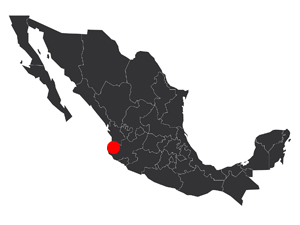
4. Puerto Vallarta & Nuevo VallartaPopulation: 220,000 Puerto Vallarta, 1,300 Nuevo Vallarta Location: Pacific Coast, State of Jalisco |
|
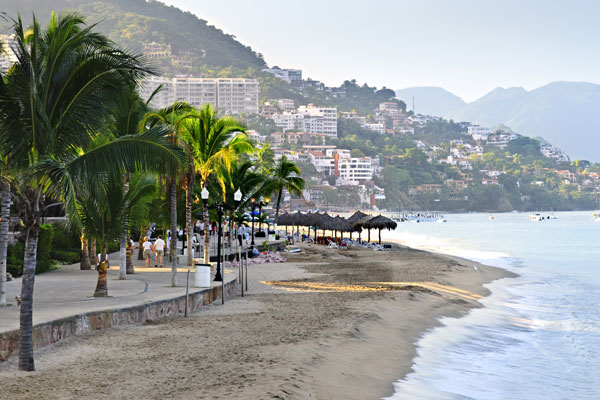
Puerto Vallarta sits on Banderas Bay on Mexico's Pacific coast and is one of the most established expat destinations in the country — particularly well known for its long-standing LGBTQ+ community, its tropical-mountain-meets-beach geography, and a winter climate that consistently ranks among the most comfortable in Mexico. The city is divided into distinct character zones: the Hotel Zone (resort-heavy, modern), Centro (the historic core with the iconic Malecón), Old Town/Zona Romántica (cobblestone streets, the heart of the LGBTQ+ scene, increasingly stylish), and Mismaloya to the south (luxury villas overlooking private beaches). Nuevo Vallarta, just north in the state of Nayarit, has become a major expat hub in its own right with gated beachfront communities, the Nuevo Vallarta Marina, and easy access to neighboring towns like Bucerías, La Cruz, and Punta de Mita. Property prices in expat areas run higher than most Mexican destinations, but remain meaningfully below comparable U.S. coastal markets.
"PV is beautiful. Tropical mountains and beaches. The winters have perfect weather, but the summers are difficult because of the heat and humidity. The Mexican people are happy and friendly, and Mexico is much safer than its reputation. Rental prices and home prices in the expat areas are only somewhat less expensive than the U.S. because it's a very popular town," explained one expat in PV. "The Hotel Zone is a strip of resorts and modern shopping centers. These two areas resemble southern California or Florida. Centro is downtown Puerto Vallarta where the famous malecon boardwalk is located- loud, popular with tourists, fast paced Old Town Puerto Vallarta is slower paced, trendy, more traditional with cobblestone streets, residences, bars/clubs- this is also the popular gay area and has become quite stylish. Mismaloya is farthest south with different areas along the way, marked by "the crescent beaches." This area is lush in tropical jungle and lined with villas and luxury condominiums overlooking private beaches and the ocean," added another member.
Nuevo Vallarta is a popular expat area just north of Puerto Vallarta. "We have a beachfront condo in the north end of Nuevo Flamingos and love it. The area is continuing to grow, is gated and safe, and has easy access to medical, grocery, banks, restaurants, both inside Neuvo and 1 mile away in Bucerias. Restaurant food is very good and reasonable. Nuevo beach is the best -- flat and good for swimming and some boogyboarding. Nuevo Marina has water ferry to downtown and Rythyms of the Night, plus whale watch. Las Cruces, and Punta de Mita are close and have good restaurants and watersports. Love it all," described one expat living in Nuevo Vallarta.
More about Puerto Vallarta & Nuevo Vallarta: Living in Puerto Vallarta, Retiring in Puerto Vallarta, Cost of Living in Puerto Vallarta, Healthcare in Puerto Vallarta, Pros & Cons of Living in Puerto Vallarta, Moving to Puerto Vallarta and Real Estate in PV.
AGS Worldwide Movers
Relocating abroad soon? Make your move with AGS! AGS Worldwide Movers is a leader in the international moving industry. Our experience and expertise allows us to guarantee our clients the best quality moving services.
AGS Worldwide Movers
Relocating abroad soon? Make your move with AGS! AGS Worldwide Movers is a leader in the international moving industry. Our experience and expertise allows us to guarantee our clients the best quality moving services.
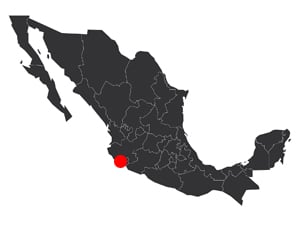
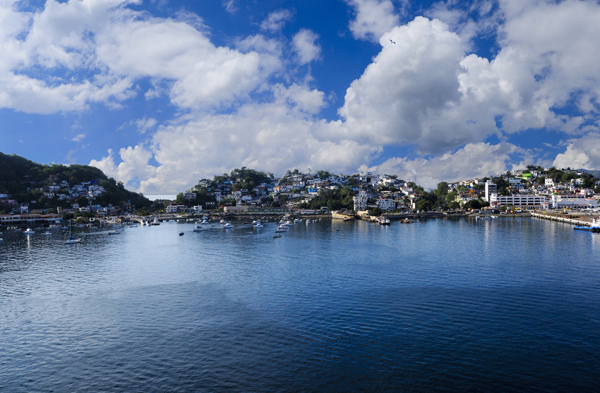
Manzanillo sits on the Pacific coast in the state of Colima, anchoring Mexico's largest commercial port while maintaining the feel of a working coastal town rather than a resort destination. This is the appeal for many expats: a small but active expat community without the saturation of foreigners that defines Cabo or Puerto Vallarta, an authentic Mexican daily life, and meaningfully lower costs than the better-known Pacific destinations. Summers run hot, but the rest of the year delivers reliably warm coastal weather. The city has an international airport with seasonal connections to the U.S. and year-round service to Mexico City. Expat life centers on social groups — monthly ladies' lunches, weekly couples' dinners, golf and tennis groups, and English-language church services — that make the smaller community easy to plug into.
Expats in Manzanillo enjoy a life by the Pacific Ocean in the Mexican state of Colima. While hot in the summer, the number of activities available year round make this a destination enjoyed by expats but not overrun by too many foreigners to ruin an authentic Mexican experience by the sea. "We have a small but active ex-pat community. We have a ladies lunch group once a month to hear speakers on local issues and meet other expats, plus keep up on what is happening in town. We have a couples group that has dinners every Thursday at different restaurants also to meet the other ex-pats. We have golf groups, tennis, bridge, cards, a church service or two in English. We also have a new Gold's gym. The university of Colima has a great music department that has brought us some classical music concerts the last few years. We have many great restaurants and most have live music and dancing. We live in a house on the beach. Many ex-pats live in houses and condos on or close to the beach. The costs of living are going up, but we still have a much better life style here for less money. Our expectations have been met and everytime we go north it is sticker shock in the grocery store and restaurants. The town is mainly Catholic, with some other Christian thrown in. There are a couple of English services of the non denominational Christian belief. The Mexicans are very accepting of us foreigners and very patient with us," described one expat.
More about Manzanillo: Living in Manzanillo, More about Living in Manzanillo, Retiring in Manzanillo, Healthcare in Manzanillo, Moving to Manzanillo and Cost of Living in Manzanillo.
Riviera Maya
Riviera Maya is a gorgeous stretch of Caribbean coastline in the Mexican state of Quintana Roo. In addition to the cities listed below, our article, Best Places to Live in Riviera Maya includes several other places popular with expats, retirees and digital nomads.
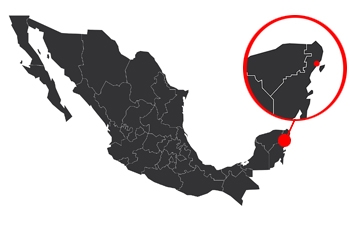
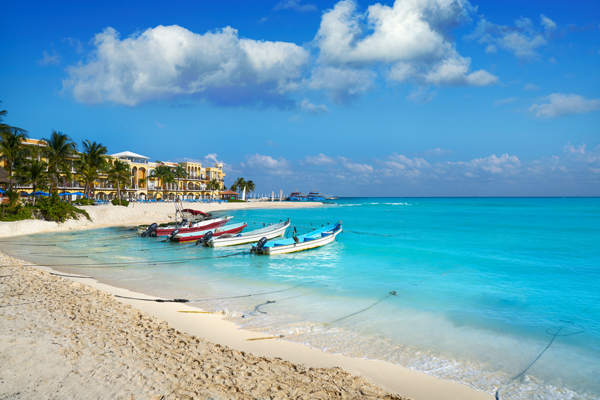
Playa del Carmen ("Playa" to anyone who lives there) sits on the Riviera Maya about 40 minutes south of Cancun International Airport and directly across from the island of Cozumel — a geographic position that gives it some of the most extensive international flight connectivity of any expat destination in Mexico. The city has grown rapidly over the past two decades from a small fishing town to a substantial expat and digital nomad hub of 300,000, with white-sand beaches, turquoise Caribbean water, and a walkable urban core anchored by Quinta Avenida (Fifth Avenue), the pedestrian shopping and dining strip that runs parallel to the beach. The expat community is more international than most Mexican destinations — substantial American, Canadian, Italian, French, and Argentine populations — and the cost of living, while higher than inland Mexico, remains meaningfully below Caribbean alternatives in the U.S., Bahamas, or western Europe.
Playa del Carmen (many simply say, "Playa") is a popular destination for expats, retirees and digital nomads. Playa is 40 minutes south of Cancun and on the coast across from the island of Cozumel. "This is a very popular expat community for a number of reasons. The first and foremost...the sun and the beaches! We have white sand and turquoise water. It is an amazing sight. Of course another reason is the cost of living is much less than in the US, Canada, or Europe. We are only about an 1.5 plane ride from Miami, so many expats like the fact that it is easy to get back if necessary," wrote one expat living in Playa Del Carmen.
"Yes, Playa del Carmen is a busy town and expanding, but we love the North end, and we bought in a quieter area where we can drive to Playa and ferry to Cozumel and Belize. But there are many options right in Playa where everything is within walking distance. The north end of 5th Avenue is a very nice area with nice shopping and fabulous restaurants (and 2 blocks to a gorgeous beach). Playa offers the best of everything IMHO. So Playa offers not only the conveniences but many great dining options and bars. But it is a busier city now with a vibrant vibe and you may want something more colonial. If it gets too busy we'll move to another area, so many to choose from," explained another member in Playa.
More about Playa del Carmen: Living in Playa del Carmen, More about Living in Playa del Carmen, Retiring in Playa del Carmen, Healthcare in Playa del Carmen, Moving to Playa del Carmen and Real Estate in Playa.
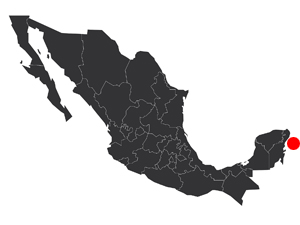
7. CozumelPopulation: Approximately 100,000Location: Island off Coast (Next to Playa del Carmen), Riviera Maya |
|
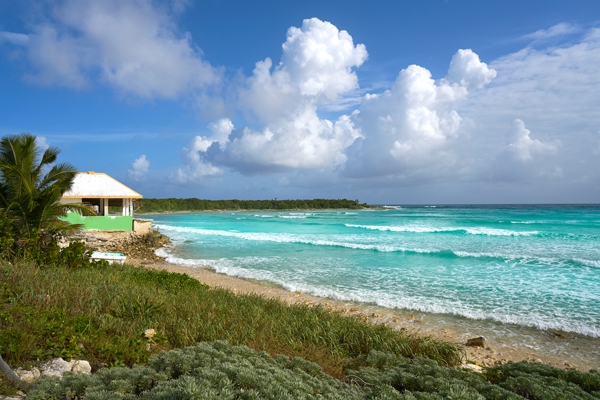
Cozumel is a Caribbean island off the Riviera Maya coast directly opposite Playa del Carmen, internationally known among divers as one of the top scuba destinations in the world — protected by the second-largest barrier reef on Earth. Most of Cozumel's 100,000 residents live in the city of San Miguel on the western side facing the mainland. Three competing high-speed ferry companies run frequently between Playa del Carmen and Cozumel (about 40 minutes), and a separate car ferry connects the island to Calica (about 1 hour 15 minutes). Cozumel's appeal for expats centers on the genuine island lifestyle without the isolation — Playa del Carmen and Cancun's services and airports are easily accessible by ferry — paired with one of the more established expat communities in the Yucatán region. Cruise ship traffic peaks on Tuesdays and Wednesdays, which longtime residents simply work around rather than against.
"As my tag implies we live on the island of Cozumel... bought in 2001. No regrets, safe, secure and absolutely beautiful sunsets. All areas have grown which can be good or bad. CZM has good ex-pat community... best advice decide what is most important to u," advised one expat. "Cozumel in our opinion is just right, good restaurants, good ex-pat community, of course world class diving and snorkeling... Some people look at cruise boats as an issue, we don't because it brings revenue to the island... Tues & Wed are big boat days, simple don't go to town those days," wrote an expat in Cozumel.
More about Cozumel: Culture Shock in Cozumel
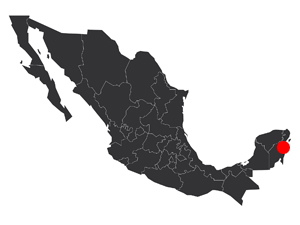
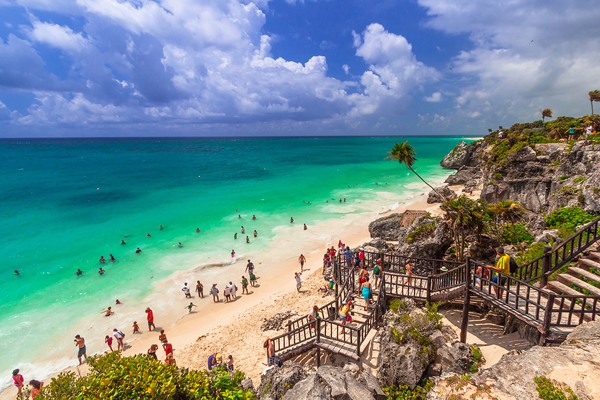
Tulum sits about an hour south of Playa del Carmen on the southern Riviera Maya and has transformed dramatically over the past decade — from a quiet bohemian beach town into one of the most internationally recognized expat and digital nomad destinations in Mexico. The town centers on the famous Mayan ruins overlooking the Caribbean, a beach hotel zone known for its boutique-luxury aesthetic and yoga-and-wellness culture, and an inland "Tulum Pueblo" that handles most year-round residential life. The new Tulum International Airport, which opened in late 2023, has made the destination significantly more accessible — direct flights from major North American cities now eliminate the previous two-hour drive from Cancun. Tulum's appeal centers on its food scene, its eco-conscious design culture, and the cenote-and-jungle landscape inland, though the rapid growth has brought legitimate challenges around housing costs, utilities reliability, and beach access.
Tulum was one of the last cities built by the Maya. It's population has been growing dramatically. Today, Tulum is a popular expat destination for divers, yoga lovers and those seeking unspoiled beaches and a laid-back lifestyle. Tulum is also known for its foodie scene. Tulum's restaurants serve fresh seafood, traditional Mexican food, vegan fare and more.
"You can live a nice lifestyle on 50k usd's a year in Tulum. There are a lot of people moving here. There is a huge housing shortage, which makes lower end rents, high priced compared to the rest of the area. The good thing is that there is a lots of construction happening and newer rentals are coming on line all the time," advised one member.
There are some drawbacks to Tulum. One member explained, "We decided against Tulum because of two things: the utilities are spotty the closer you get to the beach, and reliable internet service is hard to get. Most of the beaches in the main 'strip' are monopolized by private hotels that will not allow you to access the beaches, or try to chase you away if you are not a hotel guest. We just heard so many great things about Tulum and then when we actually got there it was a bit of a let-down. It's relatively cheap to live there, but only if you live away from the beach. While the beaches are lovely, the main town of Tulum is rather dirty. Hence, there's not a lot of 'middle' ground with regards to rentals in tulum. You will pay thousands to live on the beach, or you can pay a few hundred and live in town, away from the beaches. But you might love it. I strongly suggest an extended visit to see if it's for you."
Mexico City (Ciudad de Mexico)
If you're moving to Mexico for professional reasons, chances are you may end up living in Mexico's capital city. Depending upon which list you reference, Mexico City is the 4th or 5th largest city in the world. Many people hear about crime problems in Mexico City. Our article, Is Mexico City Safe?, offers insight on crime and safety from expats, digital nomads and retirees living in Mexico City.
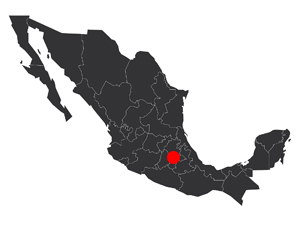
9. Mexico CityCiudad de MexicoPopulation: 9.2 Million (22+ M metropolitan area) Location: Valley of Mexico, Capital City of Mexico |
|
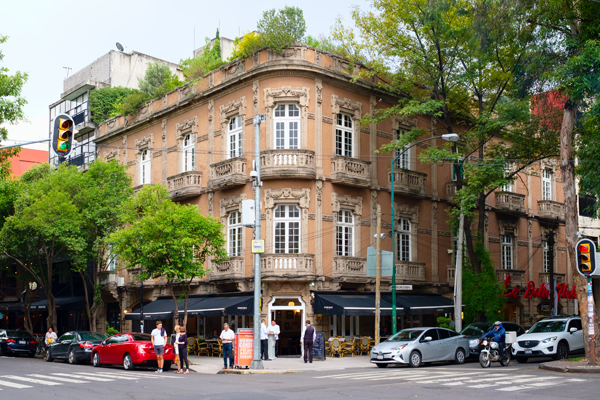
Mexico City (Ciudad de México, abbreviated CDMX) is the cultural, financial, and political heart of the country and has emerged as one of the most prominent digital nomad destinations in the world over the past several years. The city's altitude (7,350 feet) gives it a famously mild year-round climate that surprises many newcomers — daytime highs typically run in the 70s with cool evenings, regardless of season. Expat life concentrates in a handful of neighborhoods: Polanco (upscale, embassy-heavy, comparable to Manhattan's Upper East Side), Roma Norte and Roma Sur (early 20th-century architecture, café culture, the heart of the digital nomad scene), Condesa (parks, restaurants, walkability), and Coyoacán (historic, cobblestone, Frida Kahlo's neighborhood). Mexico City Benito Juárez International Airport is one of Latin America's largest hubs, and the Metro system, while crowded, makes car-free living realistic. The cost of living is dramatically lower than U.S. or European capital cities, though the post-COVID surge in remote workers has pushed rents in the expat-popular neighborhoods up significantly.
"Mexico City is a fascinating, vibrant, enchanting, culturally rich location that is simultaneously very violent and dangerous and has pockets of crushing poverty and horrific criminality... it is a place of extremes in a culture of extremes," said one member. Another said, "We moved to Mexico City. None of the expats guides suggest CDMX as a retirement location, but there are incredible reasons to live here, even if it is not for everyone."
"I lived in DF [Mexico City] for 26 months near the Archangel in Colonia Cuahetomec. This is behind the American embassy on Paseo Reforma. There really isn't a gringo community in DF, but the greatest sprinkling is where I lived, Roma Sur and Norte, and Condesa. When I say sprinking, I mean you are in neighborhoods that are 200 Mexicans to 1 gringo," wrote one member.
More about Mexico City: Living in Mexico City, Living in Mexico City, Is Mexico City Safe?, International Schools in Mexico City, Retiring in Mexico City, Healthcare in Mexico City, Pros & Cons of Living in Mexico City and Moving to Mexico City.
Popular Inland Cities & Lake Region
Inland Mexico offers a distinctly different expat experience than the coast — generally cooler and drier climates thanks to higher elevations, lower humidity, well-established colonial architecture, and a slower pace. Several of these destinations are also UNESCO World Heritage sites or feature historic centers with centuries of preserved architecture. An important practical advantage for foreign buyers: unlike coastal properties (which must be held through a Fideicomiso bank trust), homes in these inland cities can be owned outright in fee simple by foreign nationals. The destinations below are among the most popular inland choices for expats, retirees, snowbirds, and digital nomads.
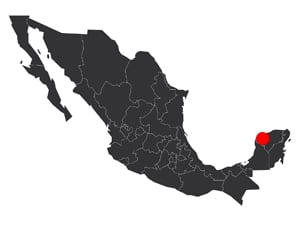
10. MeridaPopulation: 1 Million (1.3 M metropolitan area) language Spoken: Spanish, with Mayan widely used as first or second languageLocation: Inland (40 Minutes from Beach, Progreso), Yucatan Peninsula, Capital of Yucatan |
|
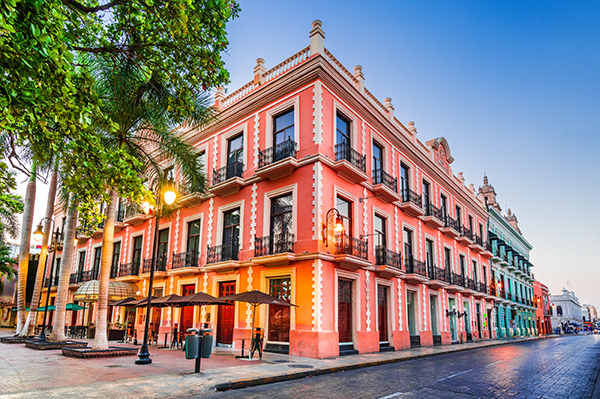
Merida is the capital of the Yucatán state and one of Mexico's fastest-growing expat destinations, regularly ranked as the safest large city in Mexico — a reputation that has driven sustained demand from American, Canadian, and increasingly European retirees over the past decade. The city's historic Centro features Spanish colonial architecture from the 16th and 17th centuries (Merida was founded in 1542), and the elegant Paseo de Montejo — modeled on the Champs-Élysées — anchors the cultural and dining scene. The Mayan cultural and linguistic presence remains substantial, distinguishing Merida from the rest of colonial Mexico. Progreso beach on the Gulf of Mexico is roughly 40 minutes north by car. The climate is the section's main caveat: Merida is genuinely hot and humid for much of the year, with the worst stretch running from April through September, which is enough to push some potential expats toward cooler inland alternatives.
Many foreigners who end up calling Merida home move there for a short stay and absolutely fall in love with the city. "We just returned from travel to Merida in April and were not deterred by the heat! For my husband, not terribly fond of hot weather, to feel so strongly about this place, took me aback. It surprised us both. We expected to like it, but not to utterly love it," confessed one expat. Another member wrote, "This is a FABULOUS city with lots of expats from Canada, U.S. and Europe. The centro district is where all the action is and it is packed with cultural events daily and nightly...Try not to rent too far South of the centro. There is an English Language Library, live theater, symphony, fabulous restaurants, churches galore, parks in every neighborhood and, of course, the zocolo. Not to bore other readers, you can feel free to contact me with a private message for any future questions. As for safety...it's perfectly wonderful! Take off your "worry cap" and enjoy, enjoy!"
Hot, humid weather is one of Merida's drawbacks and anyone moving here should spend time in the city deciding if the weather is a game changer. Some people decide to look elsewhere. Others who stay share this expat's mentality, "Merida is a great city with lots of free activities for adults and children. It is sophisticated, with diverse areas to live in and friendly people, and a good public transportation system. It is a pretty city. However, it is Hot! Come prepared for heat during the day, but the nights cool off comfortably. Make sure your home is well ventilated so that you can enjoy fresh air at night and not need air conditioning. You will not need to bring much, there are plenty of malls and stores with merchandise for you and your home from high end to low," explained one member in Merida.
Language tip: "English is less spoken than in many places in Mexico. I would suggest learning intermediate to advanced Spanish here. Maya is also widely spoken as a first and second language too," advised one person.
More about Merida: Living in Merida, Mexico, More about Living in Merida, Retiring in Merida, Healthcare in Merida and Moving to Merida.
 AGS Worldwide Movers
Get Quote
Relocating abroad soon? Make your move with AGS! AGS Worldwide Movers is a leader in the international moving industry. Our experience and expertise allows us to guarantee our clients the best quality moving services.
AGS Worldwide MoversRelocating abroad soon? Make your move with AGS! AGS Worldwide Movers is a leader in the international moving industry. Our experience and expertise allows us to guarantee our clients the best quality moving services.
Get Quote
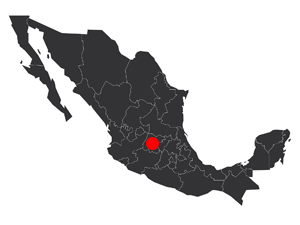
11. San Miguel de AllendePopulation: 170,000 (with estimated 30,000+ American and Canadian expats) Location: Central Highlands, State of Guanajuato |
|
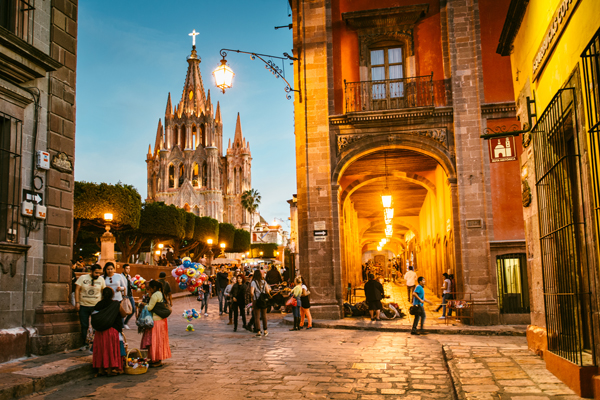
San Miguel de Allende sits in the central highlands of Guanajuato state at roughly 6,400 feet, delivering a temperate year-round climate (high 70s to low 80s in summer, cool evenings, a defined rainy season) that's one of the most consistently mild in Mexico. The historic center is a UNESCO World Heritage site, anchored by the iconic neo-Gothic Parroquia church on the Jardín (central plaza), and the surrounding cobblestone streets retain the Spanish colonial character that has drawn artists, architects, and expats since the late 1940s. San Miguel has one of the largest, most established English-speaking expat communities in Mexico — current estimates run as high as 30,000 American and Canadian residents — supported by an extensive cultural and social infrastructure that includes art galleries, theater groups, music venues, and over 650 restaurants in a city of just 170,000.
A meaningful practical advantage for foreign buyers: because San Miguel sits in interior Mexico (not within the 100-km coastal or border restricted zones), foreigners can own property here outright in fee simple, rather than through a Fideicomiso bank trust as required on the coast. "If you buy a condo or a home in Cabo or Puerto Vallarta or Cancun or those coastal areas, you don't own the home — you hold it through what's called the Fideicomiso, which is a bank trust. Here in San Miguel, you own it fee simple, just like in the United States," explained Greg Gunter of Berkshire Hathaway HomeServices Colonial Homes San Miguel, our real estate partner in San Miguel.
San Miguel's real estate market has shifted notably since 2020. Greg, who has been a leading broker in the city for over a decade, observed: "Pre-COVID, our entire city only sold one seven-figure home a month. Post-COVID, we sell about 40 million-dollar-and-above homes a year. Our luxury market has appreciated dramatically." Property values, he notes, are heavily tied to walking distance to the Parroquia and the Jardín — the closer to the historic center, the higher the price — though newly gentrifying neighborhoods slightly further out (still within a 15-20 minute walking radius) have opened up more accessible price points. San Miguel is also Mexico's second-largest wine district, with gated vineyard communities surrounding the city offering a Tuscan-style alternative to in-town living.
"San Miguel de Allende is a truly magnificent Mexican location. It is also becoming a locale of choice for American and Canadian expats. There is a highly developed infrastructure that supports a very large and sophisticated English speaking community there. Culture abounds and there is an extremely active social calendar," wrote one expat living in San Miguel de Allende. "San Miguel is quaint with tennis, books, coffee... there is traffic mid-day. 10K plus international community. Renting or buying are both options. Very active community," added another.
"San Miguel is great. I am from Arizona and love it. Summer is high 70's to low 80's (June, July, August). At night you need a light wrap. We have a great rainy season. Rains don't last long most of the time but are fierce and fun," commented one expat living in San Miguel.
More about San Miguel de Allende: Living in San Miguel de Allende, Healthcare in San Miguel de Allende, Pros & Cons of Living in San Miguel de Allende and Moving to San Miguel de Allende.
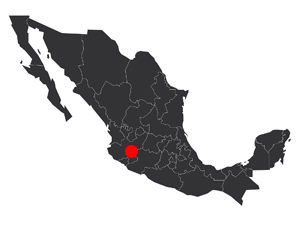
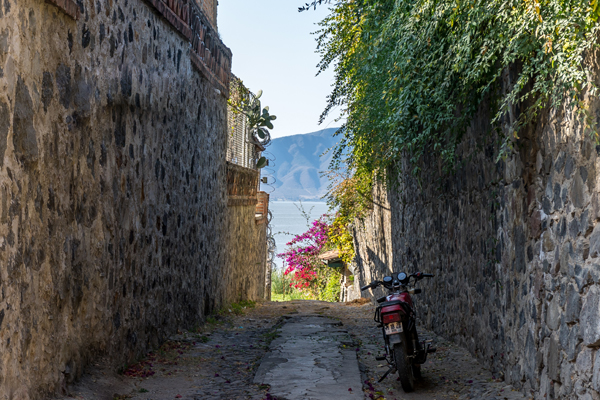
Lake Chapala is Mexico's largest natural lake, sitting at about 5,000 feet of elevation in the state of Jalisco roughly 30-40 minutes south of Guadalajara — and is home to one of the oldest, most established expat communities in all of Mexico, with documented foreign-resident history going back to the early 20th century. The lakeside village of Ajijic anchors the expat scene, with roughly half the foreign population being snowbirds (October through April) and the other half year-round residents. The climate is the defining draw: National Geographic has called it "the second-best climate in the world," with daily highs reliably in the 70s and 80s, low humidity, and a brief rainy season. Guadalajara International Airport — about 30 minutes away — provides direct flights to most major North American cities, and the proximity to a large Mexican metro for healthcare and shopping has made Lake Chapala particularly attractive to retirees who want a small-village lifestyle without the isolation.
An expat in Lake Chapala described the area saying, "let me tell a little bit about where I call home or my little piece of paradise. There are several villages on the North West edge of Lake Chapala. Yes, villages. This is not a metropolitan area. Guadalajara is about 30-40 minutes away with an international airport -- so that is a plus. We are at about 5000 ft. between the mountains and the lake, and have wonderful weather. Right now we are experiencing a cold snap, but this is very unusual. There are many expats in the area. About half are snowbirds. The houses are very quaint. You will see cars, many buses, trucks, horses, donkeys, cows and scooters. And that might be in one day. The pace of life is much slower, but we are kept quite busy." Another expat said, "Fresh food--veggies, fruit everywhere. Street markets that have everything you need, and the smell of cooking. People saying "buenas dias" and "buenos tarde" when passing on the street. No one's in a hurry, except macho jovenes in their cars, and then it's only to the next tope. Tequila and basic Mexican home cooking. The craftsmen and women, who still make items as their parents and parents before them did, and the fact that chicken wire has so many uses."
More about Lake Chapala: 10 Tips for Living in Lake Chapala, Living in Lake Chapala, Retiring in Lake Chapala, Cost of Living in Lake Chapala, Healthcare in Lake Chapala, Pros & Cons of Living in Lake Chapala and Moving to Lake Chapala.
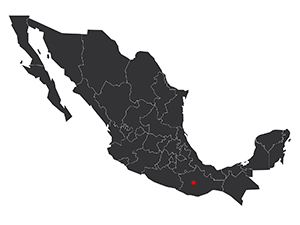
13. OaxacaPopulation: 270,000 (660,000 metropolitan area) Location: Central Highlands, State of Oaxaca |
|
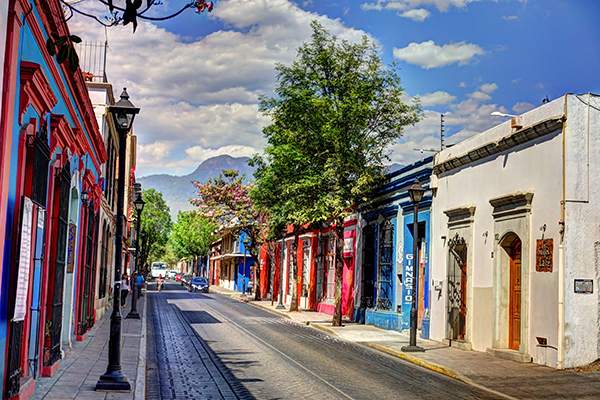
Oaxaca City (Oaxaca de Juárez) has become one of Mexico's most talked-about expat and digital nomad destinations over the past several years, drawing a younger, more international crowd than the established retiree destinations of San Miguel and Lake Chapala. The city sits at about 5,100 feet of elevation in a mountain-ringed valley in southern Mexico, with a mild year-round climate and a defined dry-and-rainy-season rhythm. The historic center is a UNESCO World Heritage site, anchored by the Zócalo, the Santo Domingo church, and a dense walkable colonial core with some of the most distinctive architecture in Mexico. Oaxaca is internationally recognized as one of the great food cities of the world — the cradle of mole, mezcal, tlayudas, and traditional Zapotec and Mixtec cuisine — and the food scene alone drives a substantial portion of expat interest.
Beyond food, Oaxaca offers a uniquely vibrant indigenous cultural presence (16 distinct indigenous groups call the state home), a thriving contemporary art scene anchored by artists like Francisco Toledo's legacy, and lower costs than San Miguel or Mexico City. Practical considerations: the airport offers seasonal direct U.S. flights but more typically requires a connection through Mexico City, and the historic center has limited modern infrastructure compared to other inland destinations. Expat housing centers on Centro, the artsy Jalatlaco neighborhood, and the increasingly popular Reforma and San Felipe del Agua areas further from the historic core.
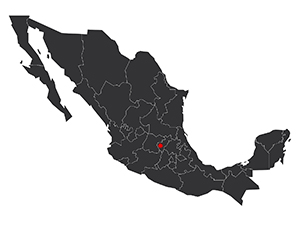
14. QuerétaroPopulation: 920,000 (1.7 M metropolitan area) Location: Central Highlands, State of Querétaro |
|
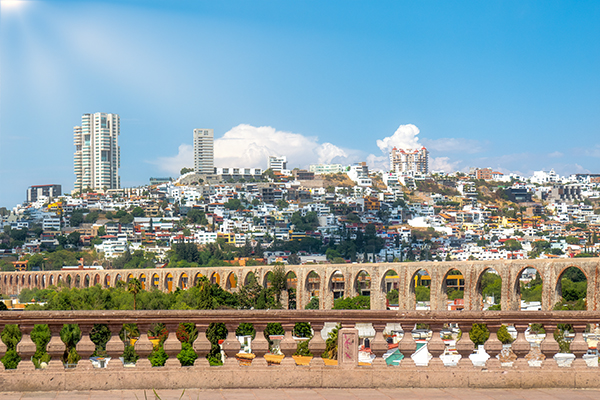
Querétaro (Santiago de Querétaro) is one of Mexico's fastest-growing cities and consistently ranks among the country's safest, with one of the highest standards of living of any Mexican city — a combination that has made it a quietly growing favorite among expats who want practical urban infrastructure over the colonial-village charm of San Miguel or the tourist visibility of Mexico City. The city sits at 6,100 feet in the central highlands roughly 2.5 hours north of Mexico City and 1 hour east of San Miguel de Allende, giving it a temperate year-round climate without the humidity of the coasts. Querétaro's historic center is a UNESCO World Heritage site, distinguished by its 18th-century aqueduct (74 arches stretching nearly a kilometer) and a particularly well-preserved Spanish colonial core.
What sets Querétaro apart practically is its role as one of Mexico's most important industrial and aerospace hubs — Bombardier, General Electric, and Safran all have major operations here — which means infrastructure (hospitals, international schools, modern shopping, reliable utilities) is built out to a level that smaller expat destinations can't match. The international airport offers direct U.S. flights including to Houston, Dallas, and Detroit. Expat life is less concentrated than in San Miguel or Lake Chapala, but the steady arrival of foreign professionals working in Querétaro's industries has created a small but growing community in neighborhoods like Jurica, Juriquilla, and the historic Centro.

Relocating abroad soon? Make your move with AGS! AGS Worldwide Movers is a leader in the international moving industry. Our experience and expertise allows us to guarantee our clients the best quality moving services.
Relocating abroad soon? Make your move with AGS! AGS Worldwide Movers is a leader in the international moving industry. Our experience and expertise allows us to guarantee our clients the best quality moving services.
About the Author
 Betsy Burlingame is the Founder and President of Expat Exchange and is one of the Founders of Digital Nomad Exchange. She launched Expat Exchange in 1997 as her Master's thesis project at NYU. Prior to Expat Exchange, Betsy worked at AT&T in International
and Mass Market Marketing. She graduated from Ohio Wesleyan University
with a BA in International Business and German.
Betsy Burlingame is the Founder and President of Expat Exchange and is one of the Founders of Digital Nomad Exchange. She launched Expat Exchange in 1997 as her Master's thesis project at NYU. Prior to Expat Exchange, Betsy worked at AT&T in International
and Mass Market Marketing. She graduated from Ohio Wesleyan University
with a BA in International Business and German.
Some of Betsy's articles include 12 Best Places to Live in Portugal, 7 Best Places to Live in Panama and 12 Things to Know Before Moving to the Dominican Republic. Betsy loves to travel and spend time with her family. Connect with Betsy on LinkedIn.
Additional Information:
- Mexico Guide
- Healthcare & Health Insurance in Mexico
- Members Talk about Healthcare & Health Insurance in Mexico
- Best Places to Live in Mexico
- Real Estate in Mexico
- Guide to Real Estate in Mexico
- Pros & Cons of Living in Mexico
- Cost of Living in Mexico
- Living in Mexico Guide
- Cost of Living in Mexico
- Mexico Visa & Residency
- Is Mexico City Safe?
- 2026 Guide to Living in Mexico
- Pros and Cons of Living in Mexico 2026
- 2026 Guide to Moving to Mexico
- Members Talk about the Cost of Living in Mexico